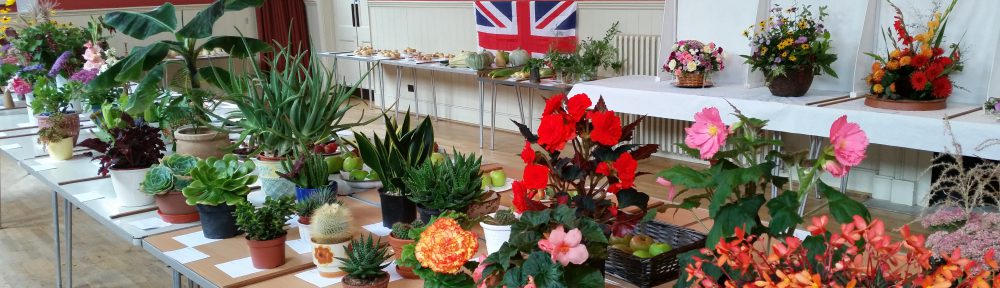
With spring on the horizon, now is the chance to put the final touches on preparing the garden for the coming year.
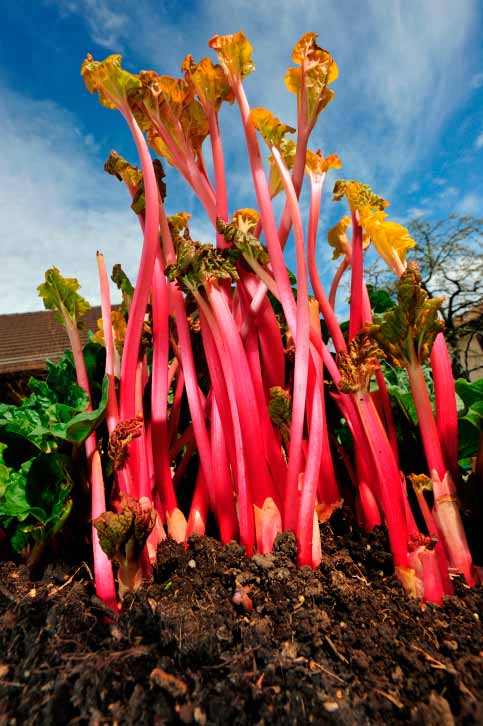
I have three rhubarb plants and early this month I force one of them. Just cover the plant with a tall bucket, dustbin or forcer so light is blocked out and leave it for eight weeks or so before harvesting the tender pale stalks. I rotate the chosen plant each year so that the others can recover for a couple of years afterwards.
Another job is to prune late-summer flowering, Group 3 clematis. If you don’t know much about clematis pruning or keep losing the labels as I do, the groups are based on when the plant flowers and the age of the flowering wood.
In Group 1 are early-blooming clematis that flower on shoots produced the previous season and need no regular pruning. You might need to train and thin them every few years, but mainly just deadhead. Group 2 clematis have large flowers between May and June on shoots developed from the previous year’s growth. Prune after the first flush of flowers in early summer, back to a large growth bud immediately below and you may get more flowers in late summer.
Finally, there are plants in pruning Group 3; in my garden a yellow Clematis tangutica ‘Lambton Park’, blue bell-shaped Clematis ‘Rooguchi’ and red-purple ‘Sweet Summer Love’ on tripods or scrambling through roses in the borders. I’ve seen nodding pink ‘Alionushka’ paired with mid-blue ‘Hendersonii’ in another garden: both can be treated the same. All flower from mid- to late summer on the last two feet or so of the current year’s growth and, if left unpruned, you just get a mass of tangled flowers over your head with bare stems everywhere else. So, I prune back hard this month to the lowest pair of buds, usually about 30cm from the base, then tie them in ready for the rapid growth they’ll put on soon.
If you’ve lost all your labels and can remember what flowered when last year (if you can’t, it’s a good excuse to take lots of photos on your garden this year), then there’s a rhyme to help you remember which clematis to prune: if it flowers before June, don’t prune.
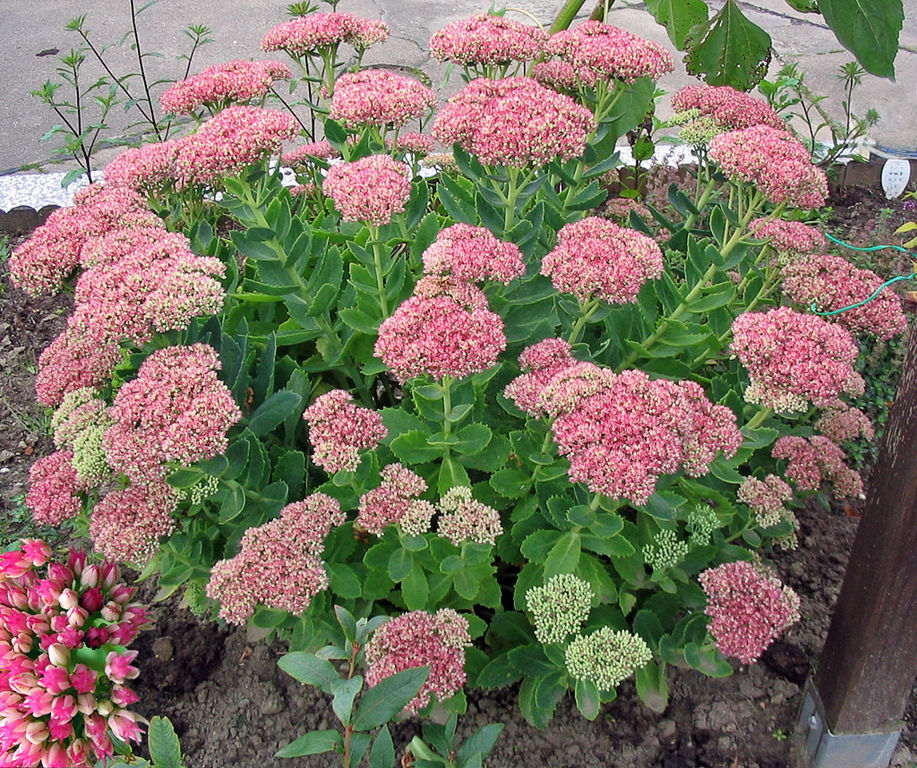
By now my clumps of Sedum ‘Herbstfreude’ (now called Hylotelephium but I can’t pronounce that let alone remember it) which I left for the birds and eye-catching frostiness, need cutting back. You should see the new buds coming through from the base already and, as the weather warms up, they are unlikely to need protecting.
Larger clumps of snowdrops (Galanthus) can be lifted and divided once they have finished flowering and still ‘in the green’. Make sure the leaves remain attached to the bulb when you replant and they’ll have a better chance of establishing than planting bulbs alone.
I have 1.8-metre-tall clumps of Miscanthus sinensis ‘Ferner Osten’ and ‘Malepartus’ giving winter structure and making a link through the garden. Late in the month (and during March) is the best time to cut back to ground level these and other deciduous grasses before growth begins. Just rake gloved fingers or a handfork through evergreen grasses to remove dead material.
All this (and plenty of other jobs) will help get the garden back into some order before new growth begins in earnest.
 Dedham Horticultural Society