How did June arrive so quickly? It feels like I’ve barely started and – not to depress anyone – the longest day is almost upon us. From there it’s a downhill slide to Christmas.
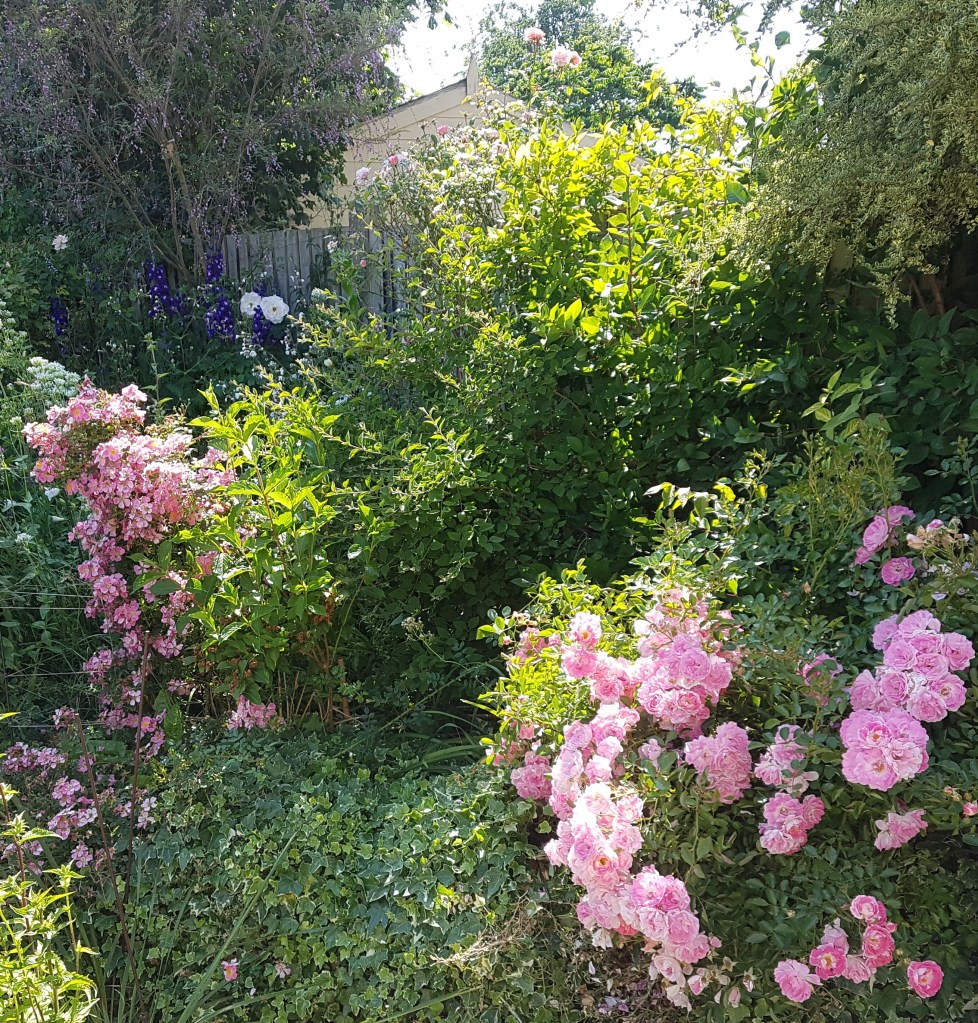
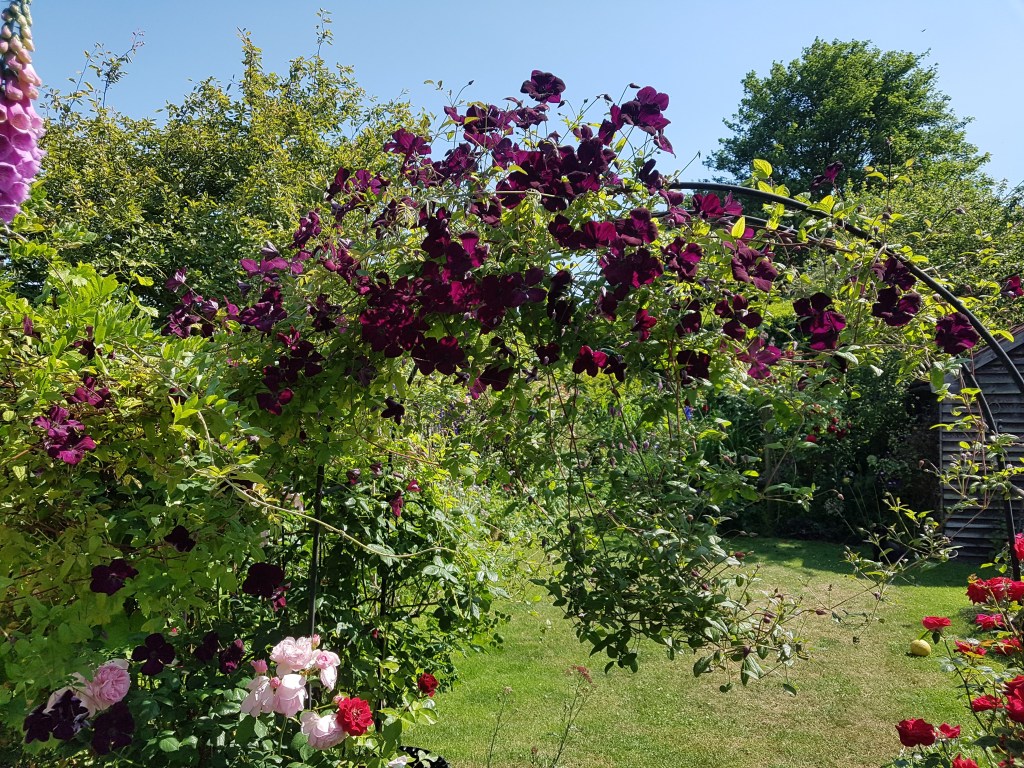
Fortunately, a look round the garden offers plenty to cheer one up: the roses are in full bloom in shades of red, pink, white and yellow (I heard that! There’s nothing wrong with yellow); deep indigo spires of delphiniums; jewel-coloured clematis wired to walls; glossy, rich crimson Turk’s cap lily (Lilium martagon) ‘Claude Shride’; and foxgloves – lots and lots of self-seeded spikes of purple, creamy pink and white.
There’s also plenty of pruning. Some of the garden has gone over by now and June is a good time to prune spring-flowering shrubs, now they’ve finished their show. These include Kolkwitzia and Philadelphus, as well as – in my garden – flowering currant (Ribes sanguineum), Weigela ‘Bristol Ruby’ and a couple of unknown Deutzia plants. These flower on the previous year’s wood, so pruning now gives new growth over the summer enough time to ripen sufficiently to flower well next year.
I’ll also take my secateurs to the Spiraea ‘Arguta’ (also called bridal wreath), which you’ll remember from the April issue and has finished its spectacular display. It’s a fairly mature specimen, so the idea is to cut back about one in three of the older, fatter stems to encourage new growth from the base and shorten other flowered stems to help it bush out, neaten it up or reduce the height and spread.
Now that all that frost is done with (finally), you can also cut back tender shrubs such as Penstemon and hardy fuchsias. The former doesn’t do well in my garden and I think the “frostiest April for 60 years” has done for most of them, but perhaps I just need to find the right place for it. I have a much hardier Fuchsia magellanica var. gracilis ‘Aurea’ with golden leaves and simple scarlet and purple flowers; I take stems back by about a third now to encourage bushier growth.
Perennial Oriental poppies (Papaver orientale) look mess after they’ve flowered, so cut the whole lot right back to the ground. Follow with mulch and a feed (liquid tomato feed is fine) to stimulate the growth of fresh new foliage and possibly even a second flush of flowers. You can do the same with hardy Geranium (the cranesbill) without which no garden is complete.
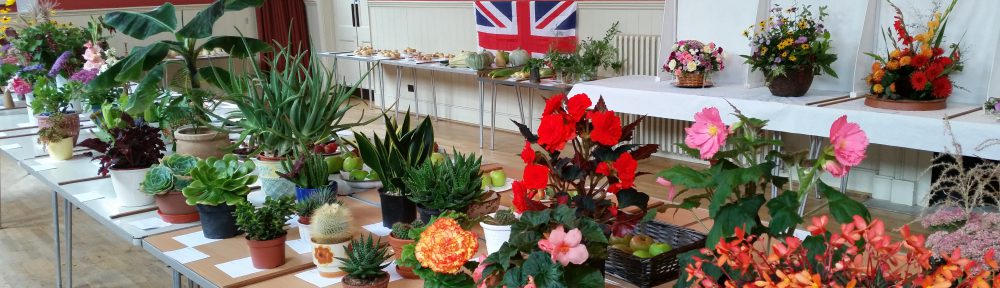
I’m going to try something new with a few of my hybrid tea roses: disbudding. Remove all the smaller buds from the cluster that forms at the shoot tip, leaving the largest one in the centre. If the flowers are as ‘show-stopping’ as some say, maybe they’ll win me some points should the Society’s Autumn Show be able to go ahead in September.
While May had its Chelsea chop in the borders, in my mini-orchard there’s the June drop, when trees naturally shed some fruit and I can thin over-congested branches for bigger fruits. I’m pinching out the side shoots of my tomato plants on the allotment: you only need to do this on cordon – also called indeterminate – varieties, which should be grown up a single stem. Bush tomatoes are more shrub-like and don’t need it.
It’s not just cutting though. June is also the time to sow biennials which put down strong roots this year and flower in the next. I’m going to try germinating wallflowers, foxgloves and beautiful umbellifer Daucus carota, the wild carrot. By the end of summer, I should be able to plant them out into the garden, giving them chance to get established before winter. All this pruning and pinching is certainly hard work, so don’t forget to relax, give yourself a pat on the back, and enjoy the fruits of your labour whenever you can.
 Dedham Horticultural Society