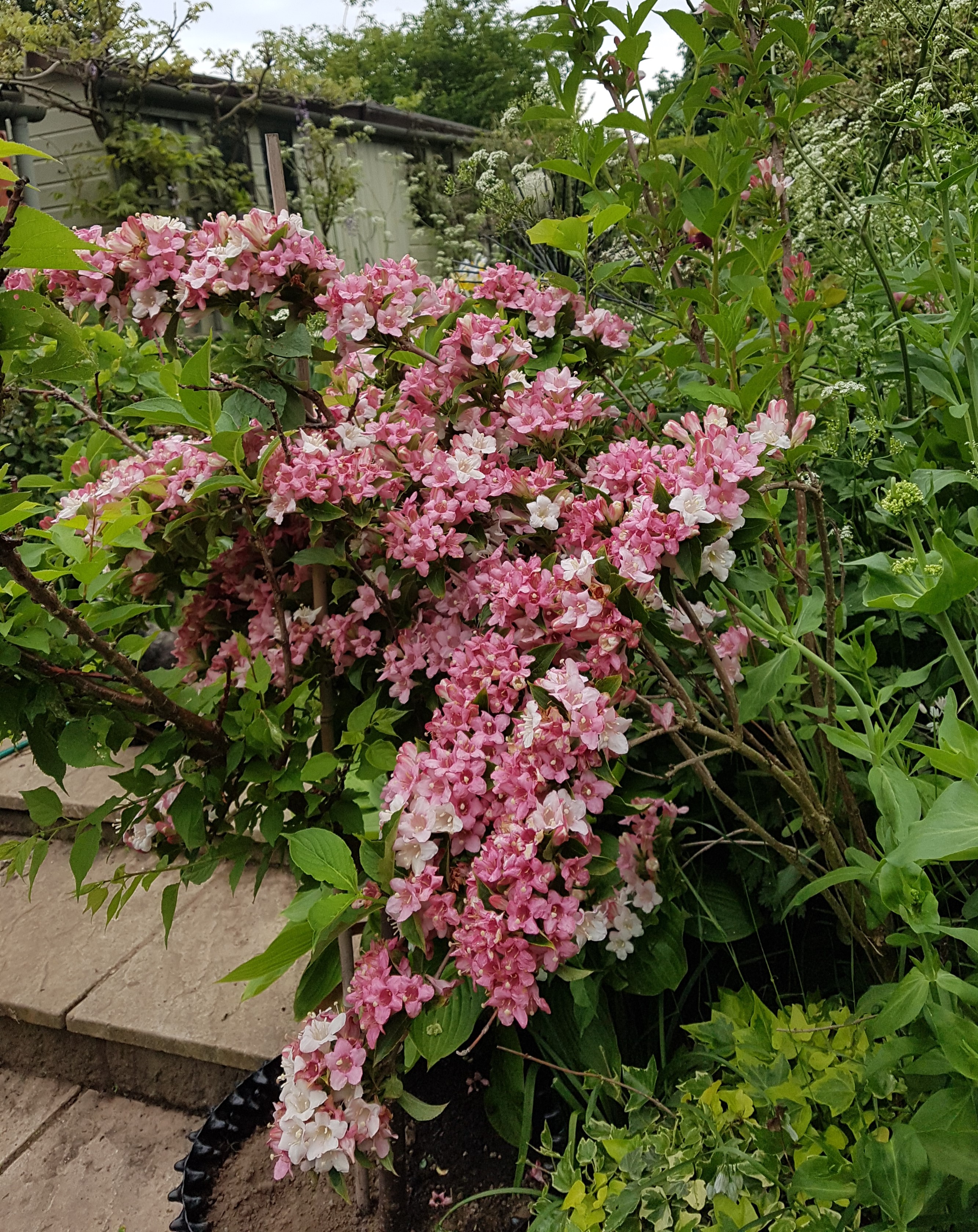
As I write this in early June, we’ve just enjoyed a glorious fortnight of summer-like weather giving the weeds – well-watered by that wet May – the chance to make strides in borders and beds and on the plot. Fortunately the wet and warmth has also given a welcome boost to a new Deutzia gracilis which is flowering its merry head off, while an experiment with Dutch iris (Iris x hollandica) has rewarded me with masses of tall and bright, yellow and white flowers.
The borders are full enough now that most of the weeds are supressed (or more likely just hidden), but there’s still a little work to do to properly conquer the garden this month. Once the flowers have faded, cut delphinium flower spikes back to where the flowers started and you can see side shoots that might make more flowers later in the season. You can treat foxgloves and verbascum the same.
Give wisteria its summer prune to keep it flowering well by cutting the whippy tendrils back to about 15cm and shortening any of the main stems that are outgrowing their space. Give it some tomato feed after pruning if it looks like it needs a boost.
It’s been a few years since I last divided my bearded iris (Iris germanica) and they are getting a bit congested. Dividing helps reinvigorate them and doing it now gives the plants enough time to put on new growth before winter sets in. Lifting them also gives me a chance to give them a proper weeding and yank out all those bits of grass and perennial weeds that I’ve only really chopped the tops off before now.
Get a fork well beneath the rhizomes and lift them clear of the ground. Shake any excess soil off and start separating them so that each plant has a fan of leaves, and a healthy-looking rhizome with a number of roots growing from it. Don’t be afraid to just snap rhizomes apart as long as they have some leaves, but discard any that are shrivelled. Shorten the leaves to about 15cm and trim the roots a little.
To plant, dig a shallow hole with enough room to spread the roots out. These need to be below the soil but the top of the rhizome should sit above, where it can bake in the sunshine. You may find it easier to rest the rhizome on a small mound of soil in the hole. Aim to plant taller varieties 30cm apart and dwarf ones about 15cm apart to give them room to expand in the next few years. Watering in gently can help settle soil around each plant but it’s not essential. With the proper care every few years, irises will continue to give a stunning display.
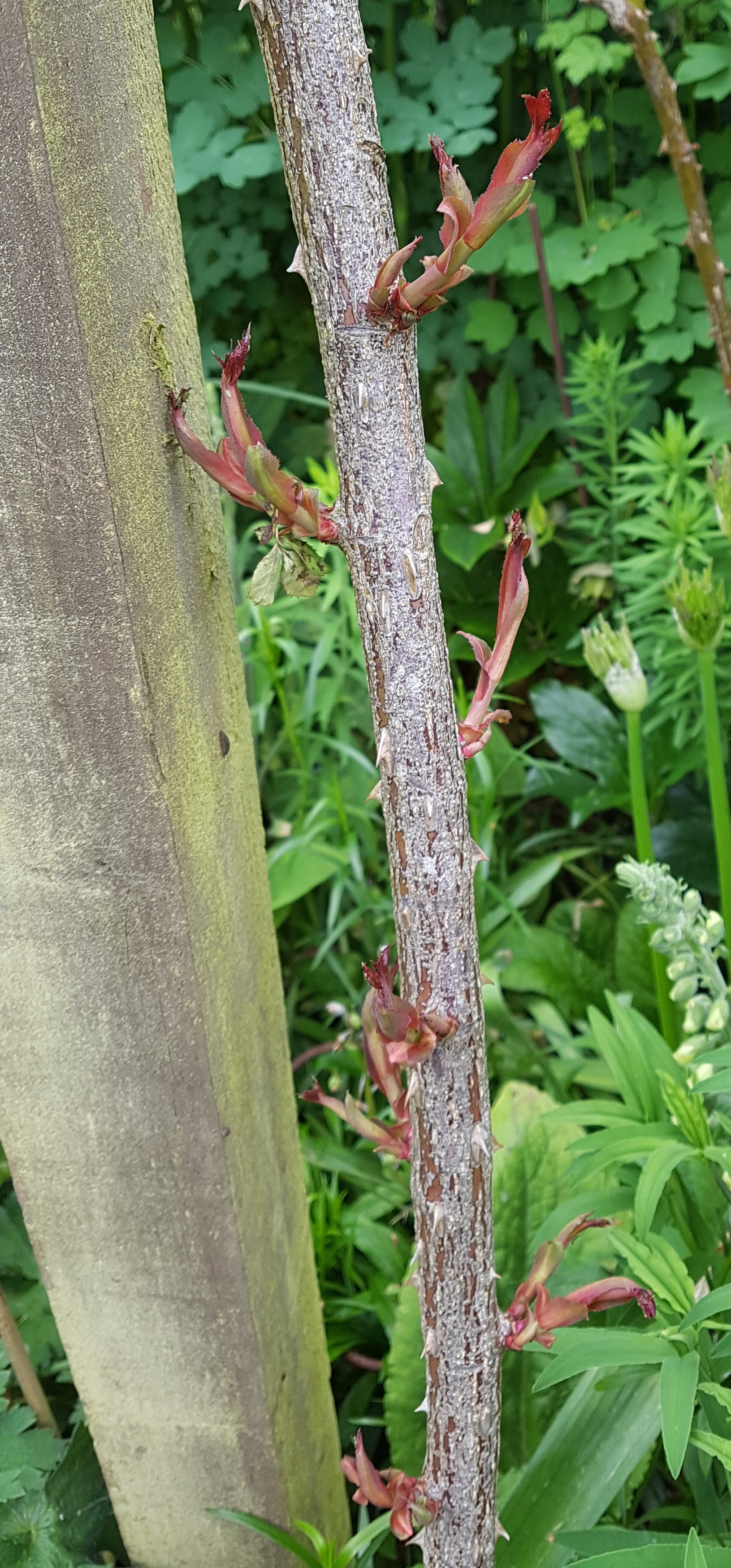
Despite the challenging start to the season, the garden is quickly catching up and there have been some great successes in the first half of the year. I’ve been trying a new feeding regime for my roses this year to see what impact it has on their growth and flowering. I started off with a dose of Growmore (fish, blood and bone is a good organic option) early on and have since been giving tomato feed every two weeks. With 100-plus roses around the garden (no, I’ve no idea how there got to be so many either), this takes about 3 hours and is quite a commitment. Although it’s still a bit early to judge whether flowering is improved, I have noticed a lot more new stems. I’m especially pleased with the effect on an old climbing rose (Rosa ‘Guinée’) which has always grown on a single stem to produce an almost umbrella shape. My regular feeding is encouraging two additional stems at the base and shoots along the whole length of the single stem, so the plant will bush out in time.
 Dedham Horticultural Society