Yes, I know you’re as excited as I am at the prospect – though I expect there are some of you planning on hunkering down with the fire on and forgetting you’ve got a garden to care for. Just remember that if the dark mornings and nights seem interminable now, then rejoice that December also brings the shortest day of the year and a couple of minutes of extra light, day by day, as we slide back into a new spring.
Until then, I’m afraid there’s still jobs to do as we prepare for the new season to come. That means clearing any weeds unveiled as you cut back herbaceous plants or revealed through the bare branches of trees and shrubs that have shed their leaves.
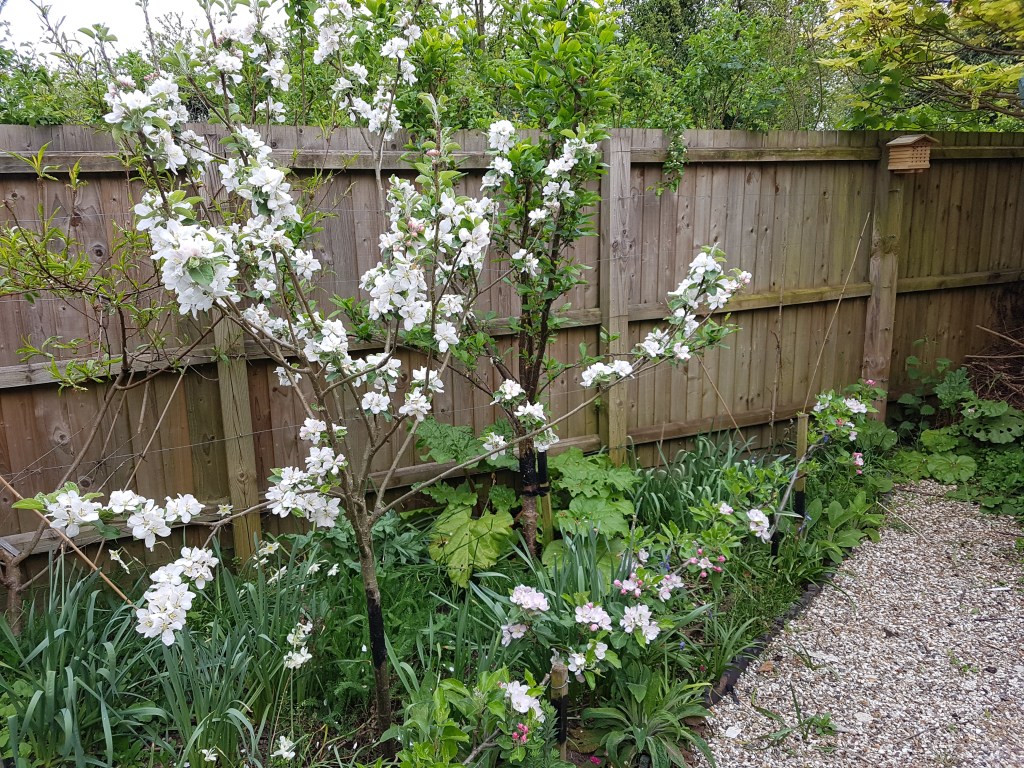
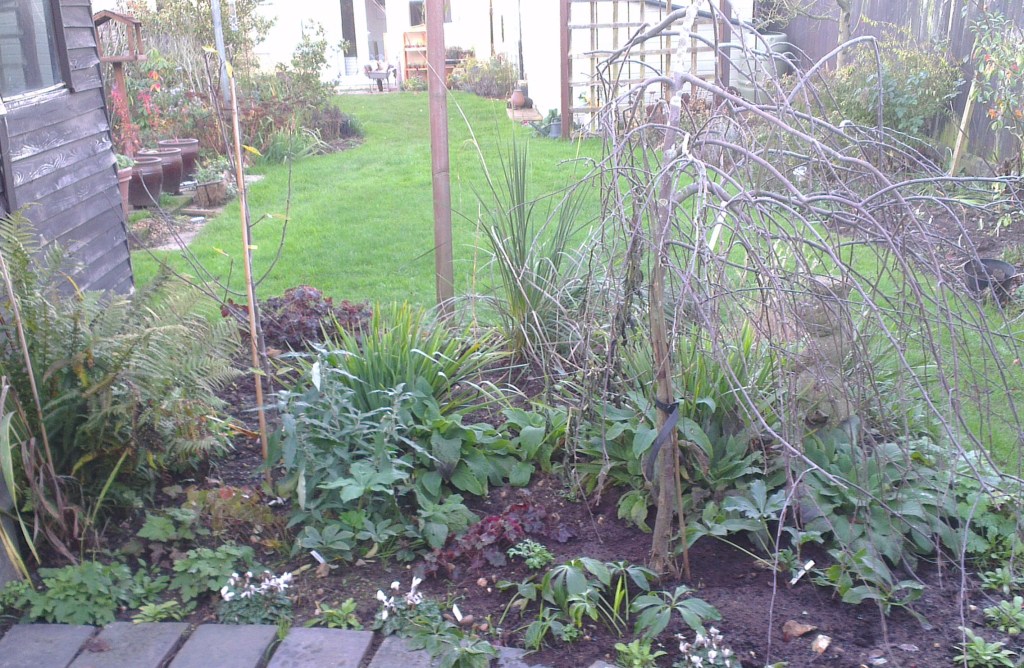
Prune apples and pears while dormant to control their size and encourage fruiting. It’s most important for trees as the cordon and stepover forms I’ve got growing in my mini-orchard are best controlled in summer. Just cut back last year’s growth on each main branch by about a third – find a bud pointing in the direction you want it to grow next season, which will help shape your tree. Don’t prune the side shoots growing off these main branches and they should develop fruit buds.
Somehow I’ve managed to plant three grape vines (surely one’s enough) and it’s worth pruning them now as they can bleed sap if done later than December. I grow these using the rod and spur system, which means cutting back the side branches of each main stem to one or two buds.
Surprisingly – but utterly dependent on the weather – you can still divide herbaceous perennials such as campanulas, Japanese anemones, oriental poppies, peonies, lupins and hellebores. Don’t hang about though: dig ‘em up, split ‘em and replant ‘em straight away. But if the soil is waterlogged or frozen, it’s best to leave division for now.
Another way of making more plants is through cuttings and even in winter you can propagate this way. Good ‘victims’ for root cuttings include phlox, verbascums, echinops and oriental poppies again (if you’ve ever moved a poppy from good soil to somewhere else, you’ll know they’re like bindweed). The plants you’re choosing tend to be large and vigorous anyway, and root cuttings need no special aftercare.
Choose a good, strong plant and lift it carefully. Wash the roots and cut off several that are young and about the thickness of a pencil; cut close to the crown of the plant. Only take about a third of the roots from the parent, so you don’t kill it, and replant it as soon as you can.
Discard the thinnest end of each cutting and remove any fibrous lateral roots before cutting each into lengths of between 5 and 10 cms. Cut horizontally at the top (nearest the crown) and angled at the lower end – this is so you plant them the right way up.
Insert into pots of cuttings compost so the top is just below the surface, then cover with about 1 cm of grit. Water lightly and store in a cold frame over winter. In spring, look for signs of top growth, while roots growing out of the base are the best indication that you can pot them on ready to plant out in another year. Campanula, phlox and Japanese anemones have thinner roots so use longer cuttings (about 8-12 cm) and lay them horiontally, cover with 1cm compost and them 1cm grit.
Finally, take the time when there’s not much to grow to get on top of the tidying up. Admittedly I should follow my own advice, as I’m hopeless at this – but this year, this year, is the one I’m actually going to do it.
I’m never entirely sure if I’m using a whetstone right and that I’m stroking the blade across it properly – also I buy oil every year and have lost it in the depths of the shed before I need to use it. So, careful storing of the kit and careful watching of educational videos online is called for. Sharp secateurs are the key tool for me as I’m always cutting at something with them and sharper cuts means healthier plants at less risk of disease.
You can also put some sand and oil in a bucket and plunge larger tools (hand tools too I suppose) in and out of the sand, cleaning them and applying protective oil in one go. This sounds like one of those brilliant old tips that make one sound like a proper gardener, but actually just means I’ve got a bucket of sloppy sand in a bucket that I’ve got to find shed space for.
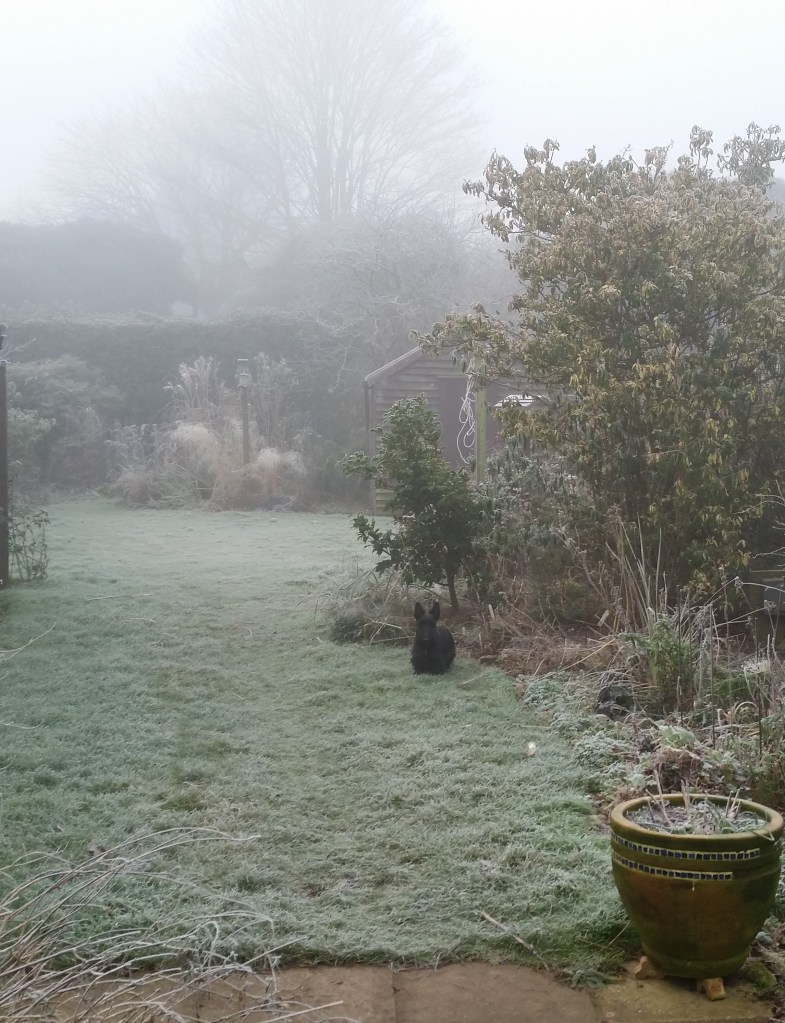
If that seems like a lot, don’t worry I’ve better (and probably more realistic) advice while the days are short and bound to be rainy, windy, snowy or foggy (maybe all at once). There’s plenty of time to sit back, put the heat on, and write that Christmas list of all the garden goodies you’d like Santa to bring you. Merry Christmas and happy new year everyone from the Dedham Horticultural Society committee.
 Dedham Horticultural Society