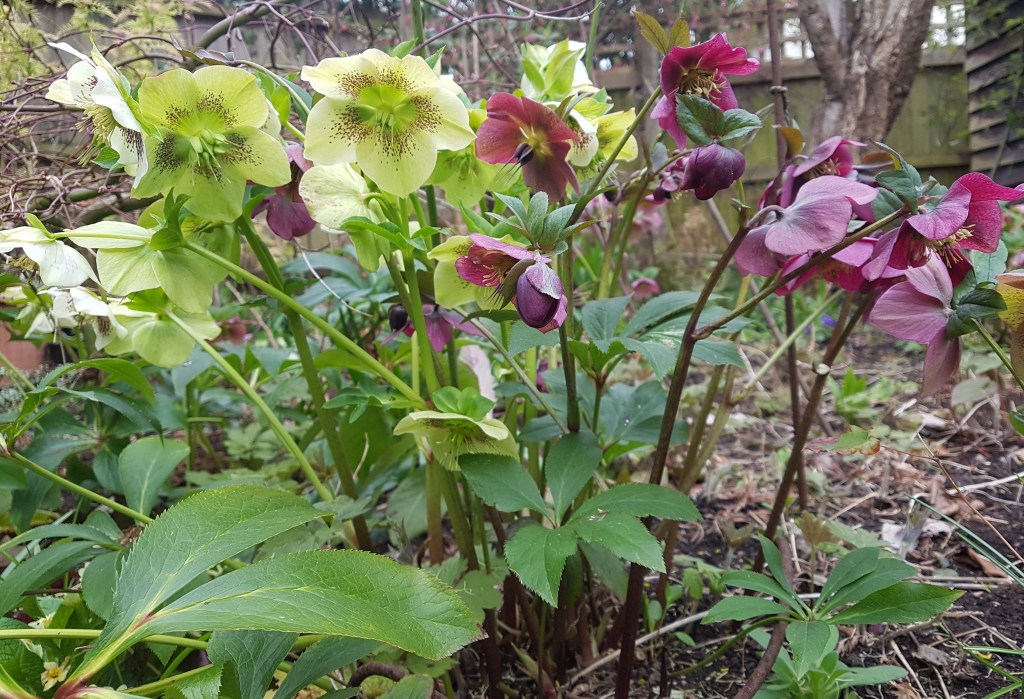
February is a great month in the garden. Although it’s still cold, a poke about soon reveals the early signs of a new season, especially if its mild as our winters seem to be recently. The days are definitely getting longer; crocus, iris reticulata, hellebores and winter honeysuckle are offering nectar and pollen to early-rising bees; while other bulbs are pushing their way above ground and there’s new growth on the peonies, roses and fruit trees.
Work in the garden right now is about making the most of the time before March is upon us.
I’ve some beautiful Miscanthus Malepartus and last year moved a clump into a bed that’s closer to the house. This partly obscures the rear of the garden, apparently creating ‘intrigue’ and encouraging the desire to explore deeper into the garden.
Miscanthus is a deciduous grass, so the advice is to cut them right down to the ground ready for new growth in spring. You can just shear them off if you like and I know some take a hedgetrimmer to them, but my clumps are small enough that I can prune them stalk by stalk, looking for early growth that is already coming through to avoid cutting it off.
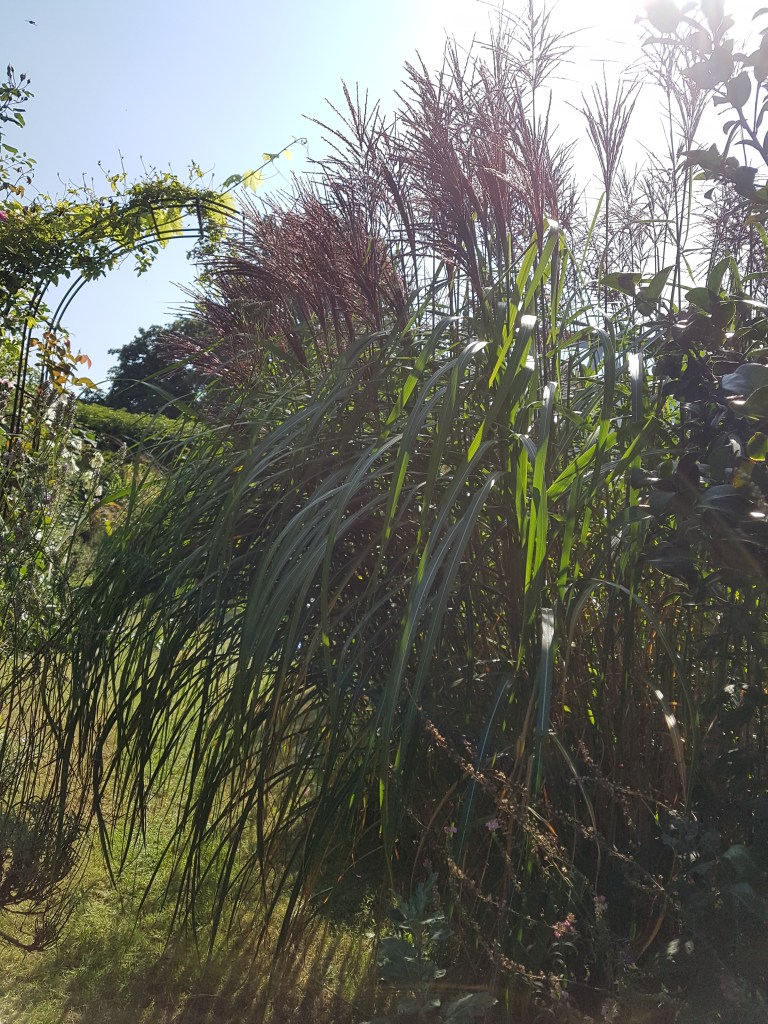
If you grow evergreen grasses like Pennisetum or Stipa, just remove dead material to make space for the new growth.
Last year, I bought my first lemon tree with a vision of growing my own G&T lemons. When the weather warms enough I can think about bringing them outdoors again. A gentle prune first can encourage bushier plants when growth starts, so cut back congested branches by two thirds.
This is a greedy plant, so it’s also a good idea to refresh the top few inches of old compost and replace it with fresh. While there are specially formulated composts for citrus plants, you really just need something nutrient-rich and well-draining, so John Innes No 2 with 20 percent sharp sand or grit will do fine.
Provided it’s mild, late February is a good time to prune ‘group 3’ clematis which flower from mid to late summer. This is just before the plants start active growth in the spring. Group 3 Clematis include late-flowering species which will be in bloom from summer to late autumn, flowering on stems grown in the same year. Group 3 in my garden include Clematis Rooguchi with purple bell-like flowers, yellow Lambton Park and Clematis texensis Princess Kate and Prince William. I also know someone with clematis Alionushka, who lets the beautiful deep mauve-pink flowers get tangled into a seething mass of stems and leaves instead of neatly trained to the lovely tripod they should be attached to. You know who you are.
You can afford to cut away a large amount of last year’s growth, back to healthy buds about 30cm from the base. Once pruned, spread the stems that are left and tie them into a frame or tripod so they don’t all clump together as they grow – and they’ll grow fast.
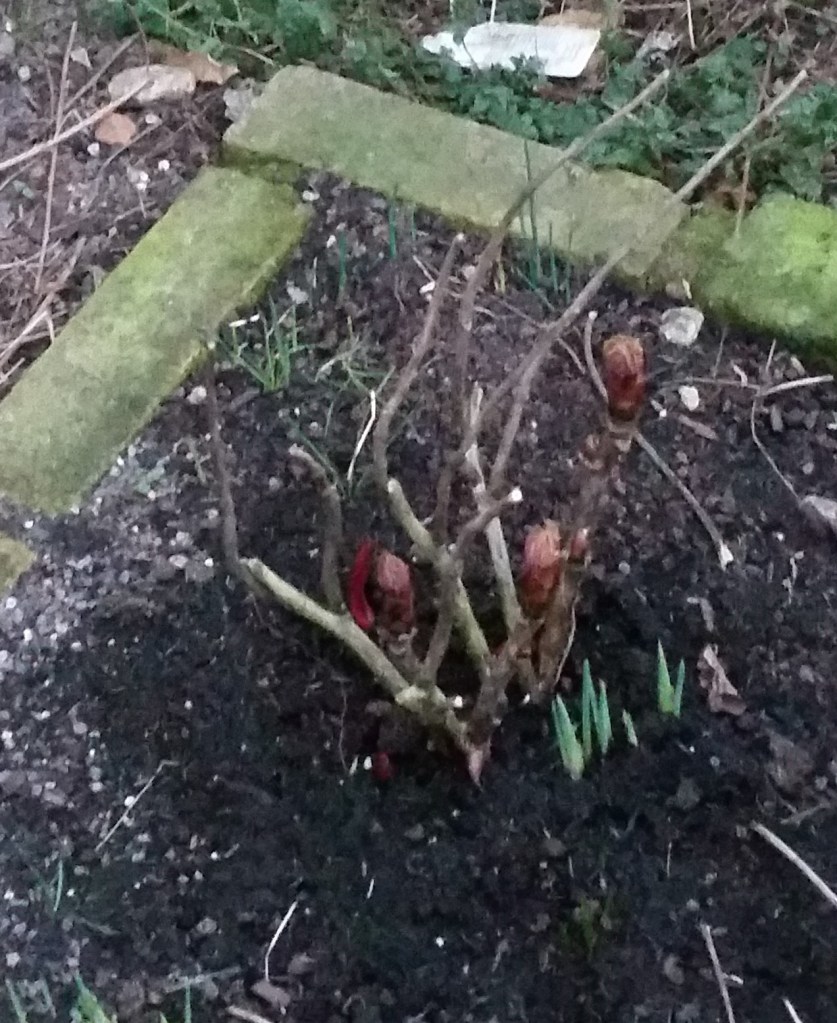
The end of the month is also time to start the fertlising and pruning regime that worked so well for my roses last year. Prune bush roses – hybrid teas and floribundas (the latter carrying several blooms in tight clusters) – which flower freely on this year’s growth and can be cut down hard. Whether they get a pruning or not, I’ll fertilise all my roses now with a sprinkling of fertiliser like Growmore (or if you want to be organic blood, fish and bone), which will give them a good boost as they get going. A layer of mulch will keep the moisture in too.
Finally, turn your compost heap – or heaps, I have 7 – and get anything you can onto your beds. While manure is useful for retaining moisture and adding structure to very heavy or light soils, garden compost still retains plenty of nutrients that will help your plants grow. You can fork it in but I tend to leave it and let the worms and grubs work it into the soil.
So make the most of February, fellow gardeners, and the signs of coming spring.
 Dedham Horticultural Society