The official start of spring, March sees the garden getting into its stride as the clocks go forward and days get gradually longer. It’s a great time to be outside but remember it’s still early and there’s plenty of opportunity for frost and other bad weather to undo your work.
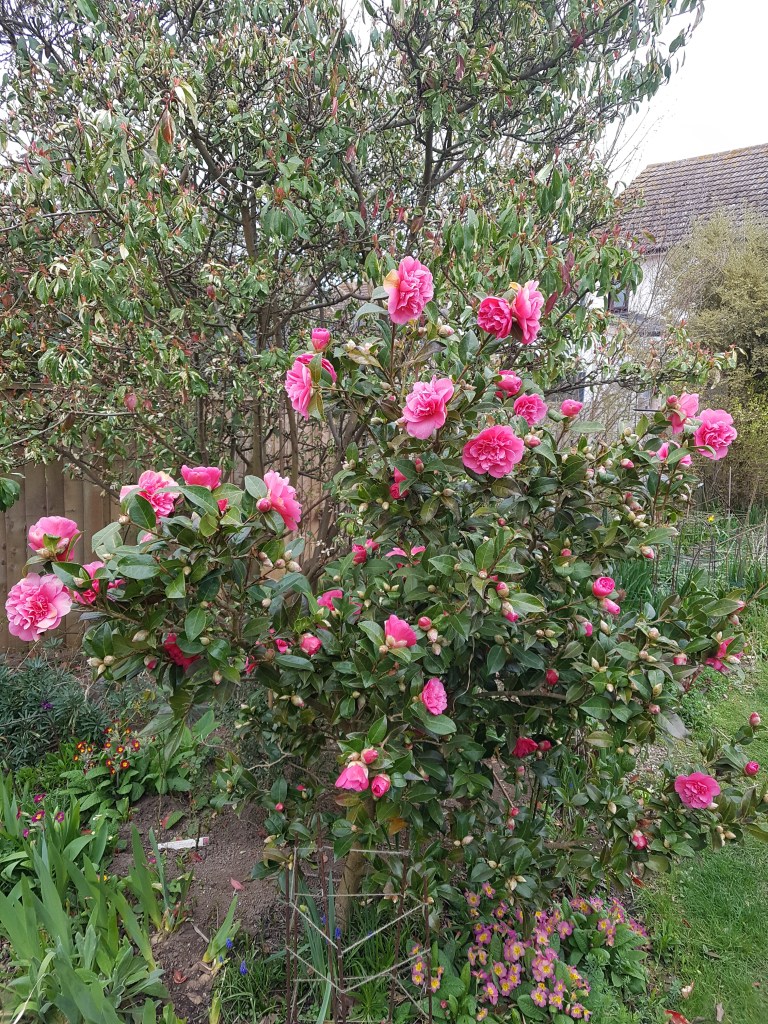
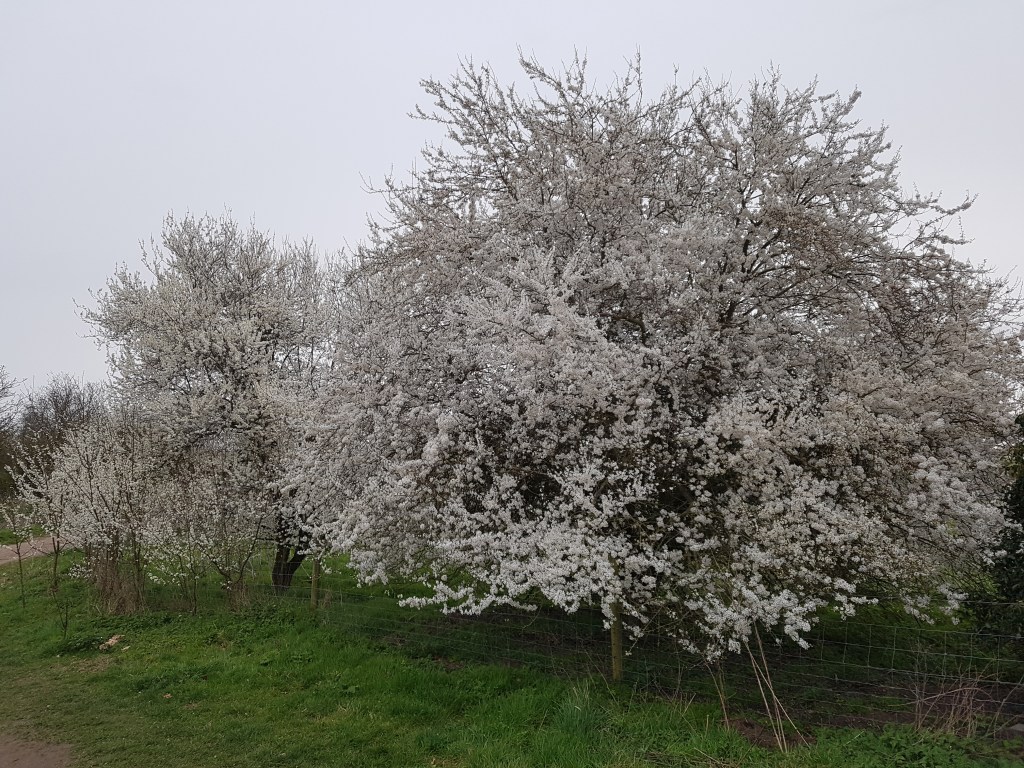
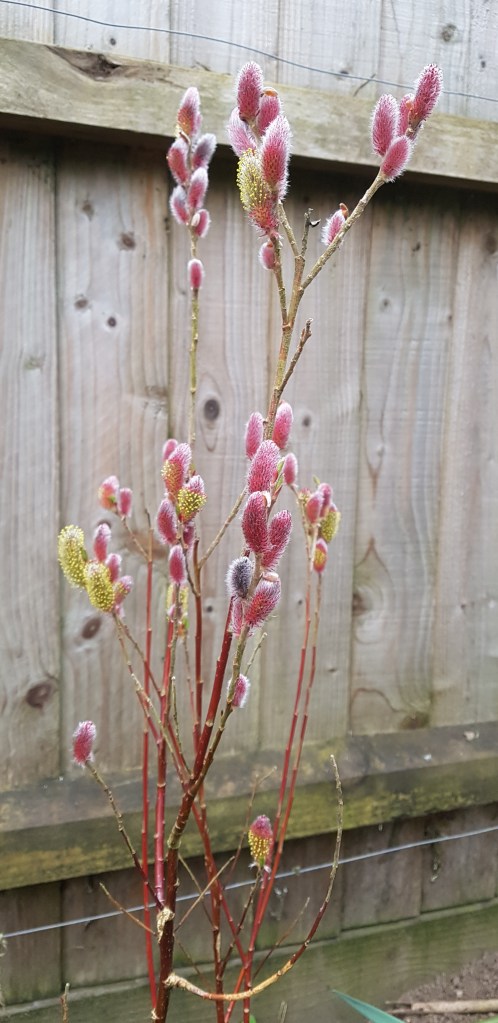
Around the garden, I see pink Camellia japonica, flowering currants (Ribes sanguineum) and even pink pussy willow (no I’m not sure why either), spring-flowering heathers (I grow pink and white Erica carnea), trailing Aubrieta in deepest pink and purple, Clematis montana, a range of hellebores, primroses, and a rainbow of bulbs. There’s blossoming Amelanchier lamarckii and apple trees in the borders, and more shrouding tree after tree on village walks with the dogs.
When I’m not standing around marvelling, chances are I’ll still be clearing the beds, scattering some general-purpose fertiliser and mulching with 2-3 inches of homemade compost (mm-mmm, gooood). There’s rarely enough compost to do every border though, so I rotate through them but half the job is trying to remember which ones get to benefit each year. The compost will be taken down by the worms and other crawly things to return nutrients, lock in moisture, improve soil structure and (in theory) suppress weeds. Plus it makes the beds look amazing.
Some of my spring bulbs have gone over now and as I’m mulching I snap off the seedheads so the plants focus all their energy into growing their bulbs for next year. If bulbs are your thing, spring is the time to plant some summer-flowering ones. If you follow these columns (back issues available online), you’ll know I do like a lily and you can plant all kinds and colours – several of them strongly scented. But if you do, be prepared to pick off lily beetles so they don’t destroy your plants.
If you lifted dahlia tubers for winter protection, pot them into fresh compost now and put them in a light, frost-free place (a cold greenhouse is fine, maybe a cold frame) to bring them into growth. They’ll reward you with bigger plants and earlier flowers.
Plant the tubers shallowly so their tops are just showing and keep them well watered. As they start to shoot, I’m going to take cuttings for the first time and try to raise new plants for free. Let the shoots reach about 8cm in length, then use a sharp knife to cut just where the shoot emerges from the tuber, below the lowest pair of leaves. Pinch out the tip and take off the leaves from the lower half of the stem, before dipping in rooting powder. Each cutting goes into its own small pot, in a warm bright spot away from direct sunlight.
Cuttings not your thing? Try seeds! You can direct sow hardy annuals – like poppies – now into weed-free soil: there is a wide range of poppy colours from delicate pastels to deep jewel tones, but all like to grow where they are sown and resent being moved. You can also try half hardy annuals, like Cosmos bipinnatus in colours from white to deep pink and red. I like the tall white ‘Purity’, but have never had much luck growing them early; someone who’s a bit of a Cosmos expert plants his late (entirely by design, of course) and gets strong plants quickly and in plenty of time for the summer and autumn border. Whatever you’re planning on doing, I hope the weather stays fine for you this month and you enjoy the chance to be in the garden.
 Dedham Horticultural Society