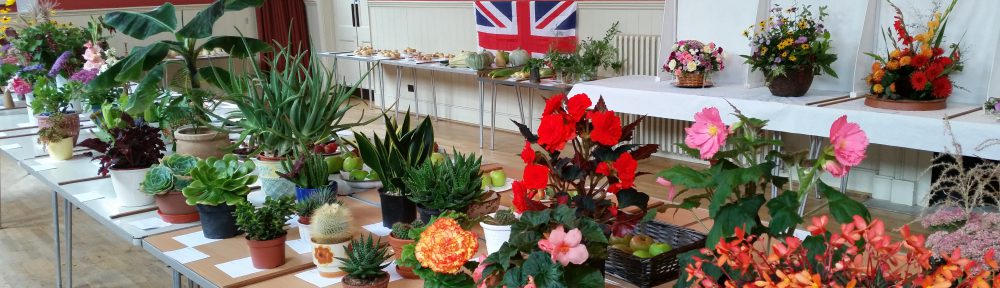
As I look around the garden this month, the first flowers I see rising from the ground at the start of a new season are the spring bulbs I planted at the end of the last. Bulbs represent an easy way to fill beds and borders (or containers) with a range of colour and form, and they seem to start earlier every year.
As easy as they are, there are several things to remember when planting with bulbs. First, size matters, so choose the highest quality you can afford. Top size bulbs will give you bigger and stronger plants. Secondly, a general rule of thumb is to plant them at three times their depth – though the deeper you plant tulips, the stronger their stems tend to be.
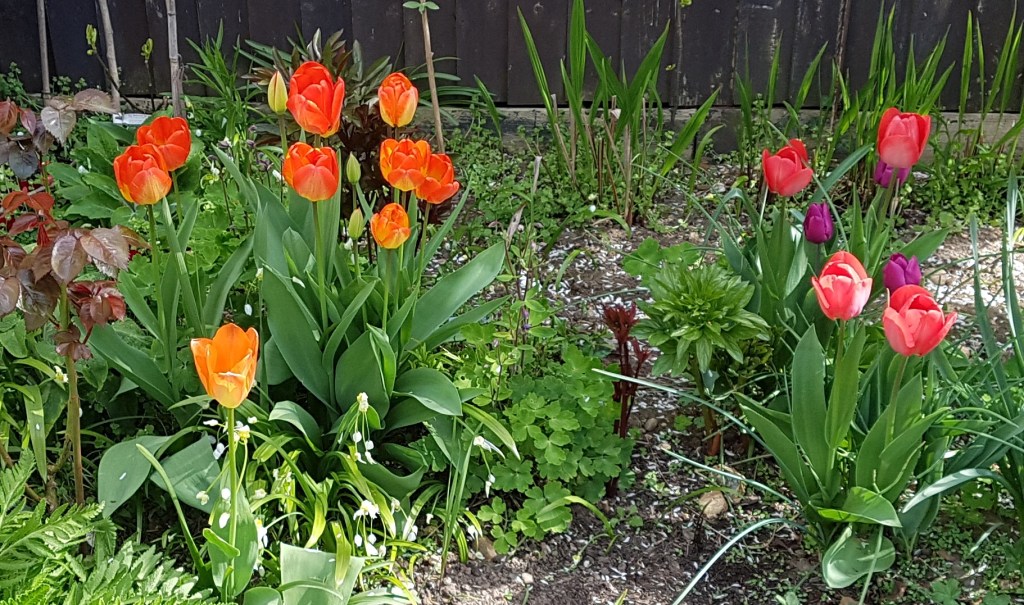
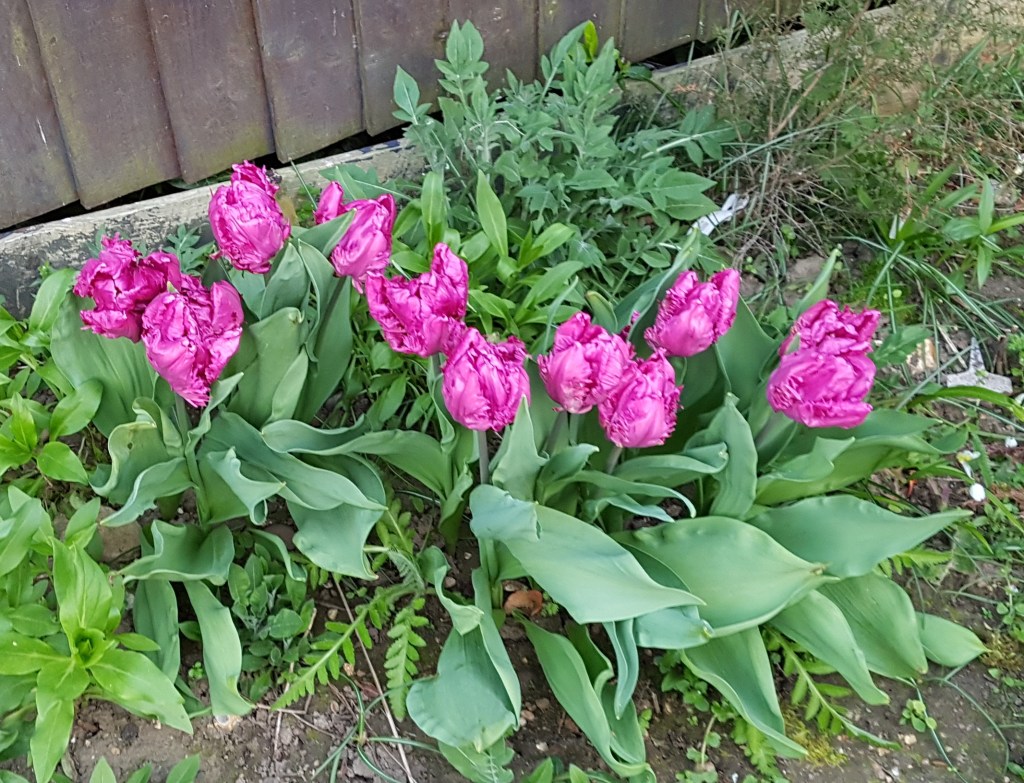
Sadly it’s too late now to plant spring bulbs, but hopefully you can look forward to enjoying some of these as they emerge over coming weeks.
One of the first coming up in my garden is the dwarf iris (Iris reticulata) which ranges from icy – almost white – blue through royal to midnight blue and purple. I prefer the darker, jewel-like tones of ‘JS Dijt’, ‘Blue Note’ and ‘Pauline’. Last year, I planted some Dutch irises (Iris × hollandica) for the first time, which flower later in spring and into early summer (just in time for the bearded iris to take up the baton in the border). Making great cut flowers, Dutch iris are up to 50cm tall in white, dark blue and a wonderfully sunny deep yellow.
At the same time, small clumps of snowdrops (Galanthus nivalis) are coming up among the dwarf iris. Although you can find a wide range of different varieties that can be double-flowered, taller than usual, and have yellow touches instead of green, I like the simplicity of the common form that grow to just 6 inches or so with dainty white and green blooms. Although they will thrive in all kinds of locations, snowdrop bulbs can dry out more easily than others if they are lifted and stored to be planted in autumn. Instead, it’s better to plant them ‘in the green’: in other words at this time of year when they are freshly lifted and still in leaf. Bluebells (Hyacinthoides non-scripta) are the same.
Then there’s Crocus, which I still think are pretty much a waste of time, though they do tend to come up early following the snowdrops and early iris. Coming in white and shades of purple, yellow or orange, they can be naturalised under trees, through grass and in the border. My problem with crocus is their frailty, a bout of rain or wind and they become soggy, droopy things. I also find the colours a bit weak, so would prefer to plant something bolder and bigger. They do have one major value (at least to me); encouraging masses of honey bees (and other pollinators) just as they emerge from their winter rest.
If you fancy something a little different, try Crocus sativus, which flowers in autumn. Harvest the bright orange stamens and dry them to make saffron you can use to cook with.
I love the colour range, different shapes and flowering times of tulips and if you choose different varieties, you can get weeks of blooms in the garden. While most spring bulbs should be in the ground by November, tulips can be planted later – as late as December – so if I’m too busy with other gardening jobs, I can still chuck some in a pot and be sure of flowers in spring.
My favourites are the blousy, peony-like, doubles and the showy parrots, though both are top heavy and can be damaged by heavy rain and strong wind. Darwin hybrids have the classic tulip shape and are more reliably perennial when most other tulips deteriorate year on year. Triumphs offer the widest range of colours, but I find fringed tulips too fussy and just can’t get on with the shape of the lily-flowered type. There are others too and a bit of research online will reveal a range of ideas to suit your planting scheme, whether modern, minimialist or cottage-garden.
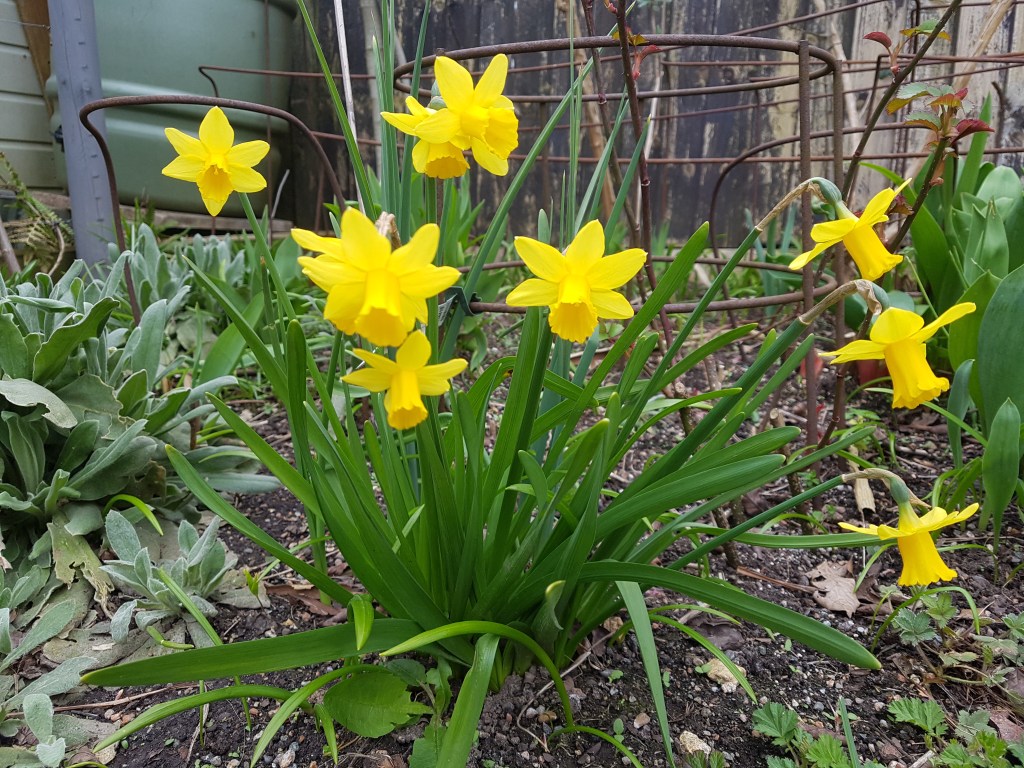
Along with tulips come good old daffs (properly called narcissi) and, if you’ve ever exhibited at or visited our Horticultual Society’s Spring Show (on 9 April, check the website for the schedule) you’ll know there a huge range of cultivated varieties in different shades of yellow, white, cream, even orange and peach.
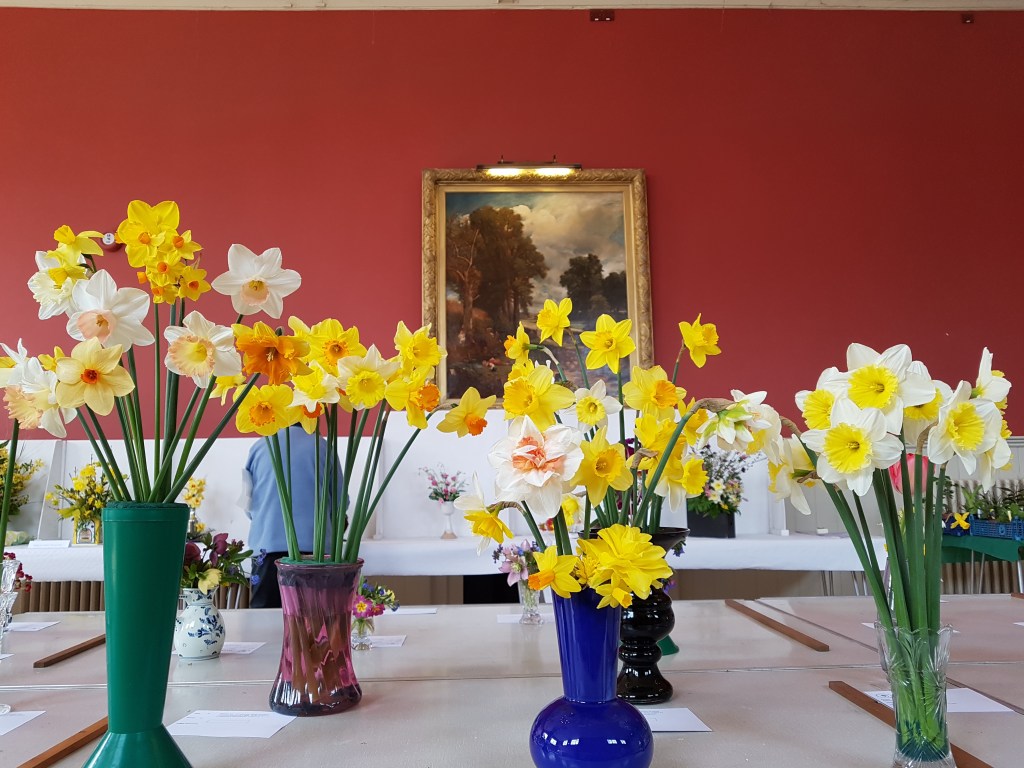
Coming back year after year, trumpet and large-cupped varieties provide a shape that’s most familiar, but there are also perfectly formed miniatures, doubles (doubled flowers, not two or more flowers on a stem, which is different), or the poeticus or ‘pheasant-eyed’ with clear white petals and an orange-rimmed yellow cup. There are also the odd-looking Bulbocodium, which are so weird they can only be worth growing for novelty value.
I could go on: there are plenty of other bulbs to choose from like Hyacinthus orientalis (powerfully scented and often ‘forced’ for Christmas displays); deep blue Muscari or pale blue Camassia; architectural alliums (you can keep the flowerheads for winter but mine have usually broken off by then), and the bells of fritillaries (snakes’ head, crown imperial, Persian and more).
Whatever your favourites, remember that a bulb’s foliage feeds it for next year’s display, so let it die back naturally rather than cutting it off. If you need the space, you can dig them up and plant them somewhere out of sight.
 Dedham Horticultural Society