With the longest day on the 21st, there’s plenty of daylight (and hopefully sunshine and warmth) in which to get in the garden or on the plot.
So to work! Stop slumping about with a cup of tea. Those longer days (and hopefully sunshine and warmth) will be encouraging plants to grow vigorously; they’ll need staking and supporting to keep them from flopping about in an ungainly fashion.
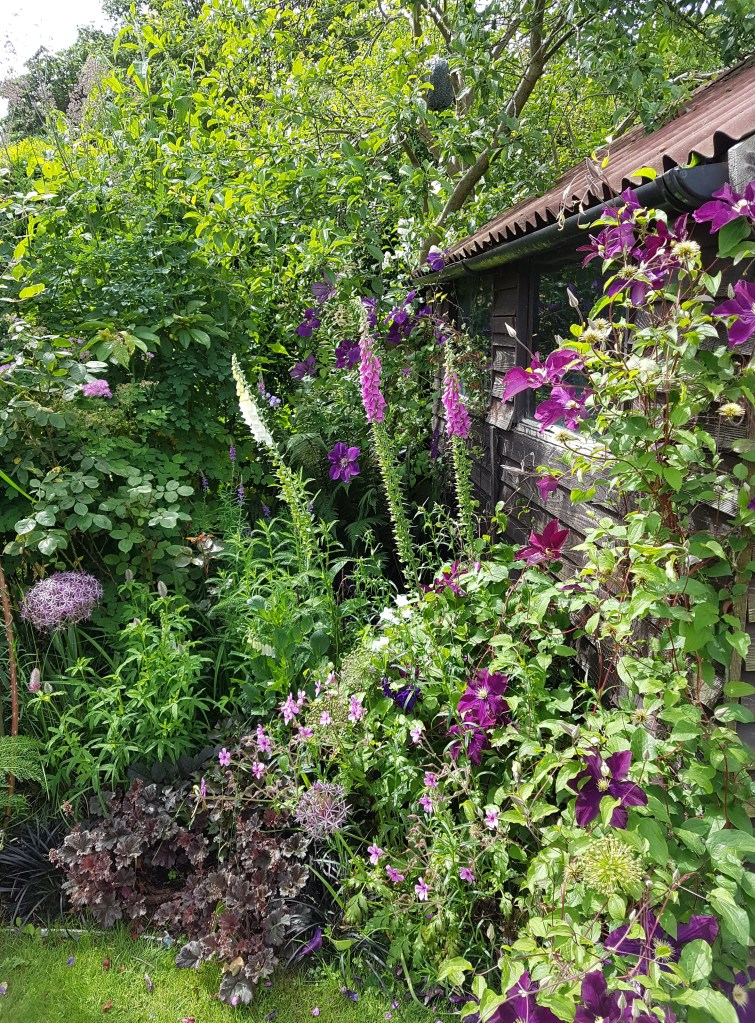
It’s suprising how tall dahlias can get and I’ve got a lot of them in the borders. I’ve found if I use a cane the stems can snap where they are tied due to the weight of the flowers, so this year I’m trying grow-throughs. If you get the supports in early enough, they’ll soon be hidden by foliage.
Provided the weather is dry, it’s a good time to clip topiary plants such as privet (Ligustrum ovalifolium) or box (Buxus sempervirens). If you’re clipping box, you should already be checking for signs of box tree caterpillar. Eggs (flat, pale yellow discs around 1mm in diameter) can be laid during the March to October breeding season on the underside of leaves. If you find overlapping clusters about the size of a fingernail, just wipe them off.
Sadly and far more likely, you won’t realise you have an infestation until you see the white webbing surrounding the feasting caterpillars. By that time, you’ll likely need some professional pest management to fend off the doom. (Sorry).
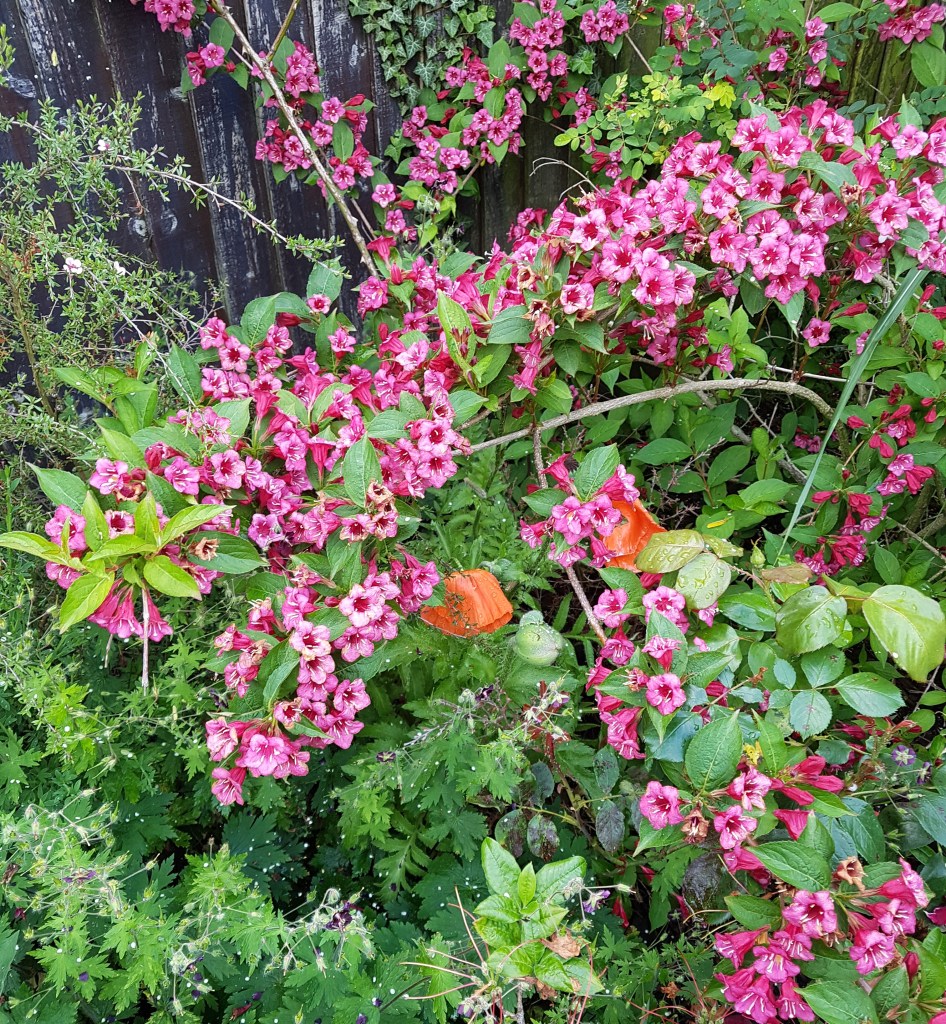
A more significant cutting back is needed on my Weigela ‘Bristol Ruby’, Deutzia × hybrida ‘Strawberry Fields’ and Spiraea ‘Arguta’ (bridal wreath) shrubs to keep them in shape and flowering well. Now they are finishing flowering I’ll thin out the older, thicker stems with secateurs or loppers. It’s important to do it now so new growth this year has enough time to ripen over the summer for good flowering next.
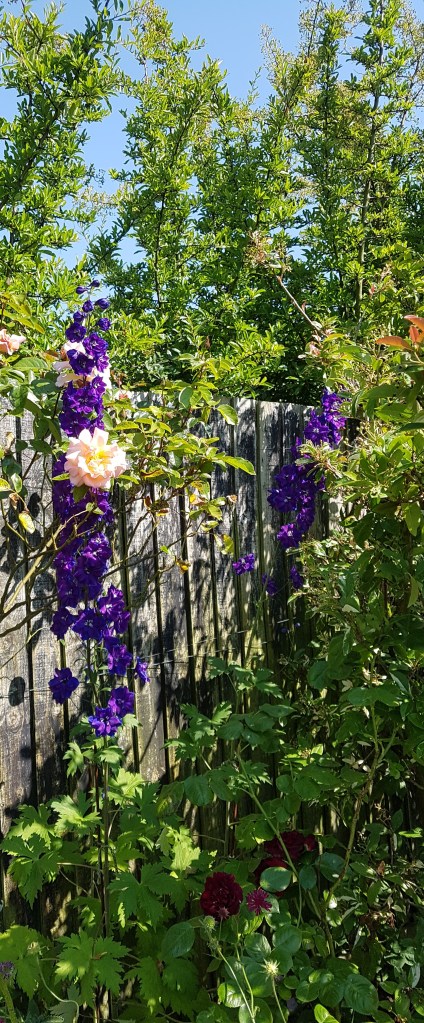
Sow biennials – foxgloves, honesty or wallflowers – in seed trays or modules now and put them outside in a cold frame or cool, sheltered spot. Once the seedlings are big enough, transfer them to 9cm pots where they have plenty of room to grow on before planting them out in autumn. They’ll grow strong roots and foliage so they can make it through the winter ready to flower next season.
I want to try taking softwood cuttings from the pelargoniums I bought last year. I lost some over winter so this will give me backup plants this time round. I’ve also got a lovely Sambucus nigra ‘Black Lace’ and several salvias I want to propogate. You can take these cuttings at any time from March to August.
Cut strong shoots – no more than 10cm long – from the current season’s growth. Use a sharp blade to cut the stem back to just below a leaf joint, then carefully remove the leaves from the bottom half. Pinch out the soft tip and cut each remaning leaf in half to reduce water loss. You can increase your success rate by dipping the base of the cutting in rooting hormone, but it’s not strictly necessary. Put the cuttings into 7cm pots of moist cuttings compost so that the lower leavves rest just on the surface.
Put the pots in the greenhouse or a propagator or make a DIY version with canes and a clear plastic bag to go on a warm window ledge. You’ll know you’ve been successful when you see fresh growth. Softwood cuttings work well from ornamental shrubs and woody herbs, like that spiraea as well as buddleia, callicarpa, fuchsia, lavender, rosemary and more. Hopefully, that’s given you enough inspiration to keep busy in the garden this month. Enjoy!
 Dedham Horticultural Society