So it’s September already and the gardening season feels like it’s beginning to wind down. Sad to say this doesn’t mean we get to put our feet up.
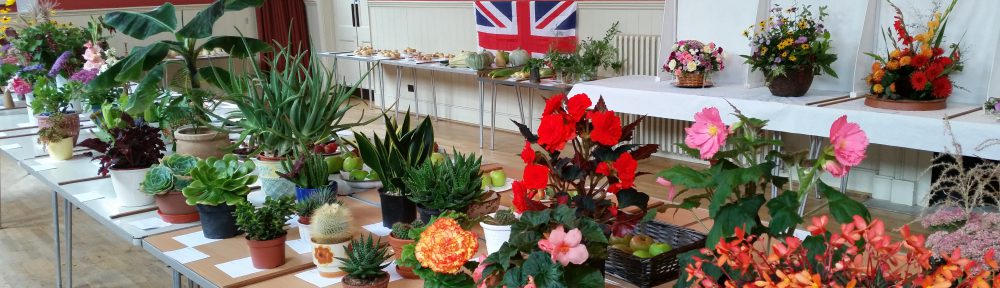
It’s been a strange, hot and incredibly dry season with talk (as I write this) of an official drought and inevitable hosepipe bans. Let’s hope you all found enough flowers to enter this year’s Autumn Show.
Looking around the garden, I’m going to have a go at collecting seeds from some of my plants. Collecting them when they are hard, brown and completely dry, I’ll store them in a cool dry place in brown paper bags, making sure they’re labelled so I can identify them when I’m ready to sow in spring.
As well as seeds, it’s time to take softwood cuttings from fuchsias, salvias and pelargoniums and stem cuttings from some of my roses.
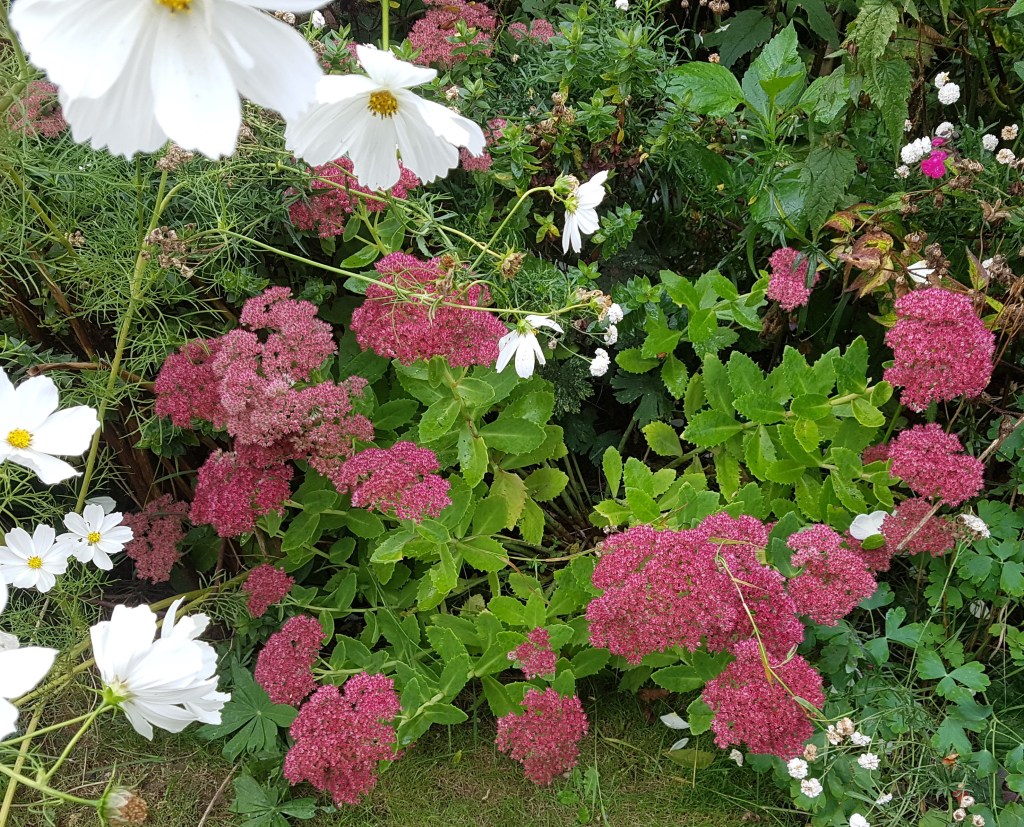
With salvias, select non-flowering stems and trim each below a node (where leaves join the stem) so they are 5-8cm long. Remove half the leaves from the bottom of the cutting, dip the end in hormone rooting powder and pop them round the edge of a pot of gritty compost. Water and put in a propogator or secure a plastic pag over the pot to main moisture and keep everything frost-free until the spring.
Roses are treated similarly, but hybrid teas – propogated by grafting buds onto hardier rootstocks – seem to be harder to grow from cuttings. Rose cuttings should be about 25cm long and taken from this year’s growth, just remove the soft tip and all but one leaf at the top. Rose cuttings can be left outside unprotected – in fact they can go in a trench in the border instead of in pots.
With cuttings comes cutting back. Lavender should have stopped flowering now and there are two schools of thought on pruning. Pruning this month means there is no delicate spring growth to damage, but you might not be sure if you are cutting back to a point where there won’t be regrowth. Pruning in spring lets you check for new growth and avoid cutting back too far. Either way, just keep the pruning light.
Achillea seems to be going a bit mad in the garden and on the allotment this year, so I’ll lift and pull the large clumps apart to replant so they can establish before the cooler months. I’ll do the same with Japanese anemones which are running riot in one of my beds, though they’ll stay nice and contained in shallower, less fertile soil – just another example of how plants react differently for different gardeners.
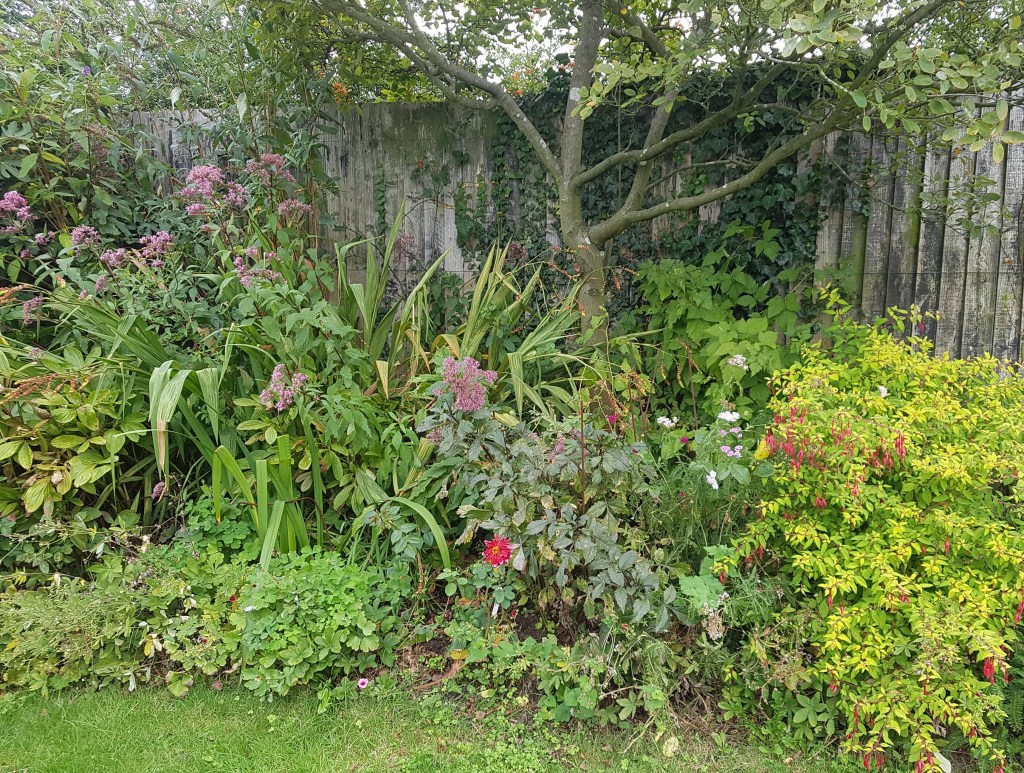
I’m a huge believer in mulching (rather than digging which is just too much hard work), so will spend most of autumn putting a good few inches of homegrown compost on as many borders as I can manage. Mulch helps the soil retain moisture, can restrict weeds and protects the roots of plants over winter.
If you grow them it’s important to keep the roots of rhododendrons and camellias well watered now (especially given the summer we’ve had) to ensure next year’s buds develop well.
As we start putting this year to bed, we can also start looking forward to spring and now is the time to order and plant spring bulbs: daffodils, crocuses, hyacinths, fritillaries, camassia, alliums and more. Plant them two to three times their depth – though the deeper they are, the stonger the stems – and it will help ensure that they come back year after year.
Darwin tulips are the most reliably perennial, but wait until November to plant them to prevent tulip fire, which leads to brown spots and withered and distorted leaves. I’ve tried saving some of the tulip bulbs I grew in pots this spring and will see if they’ll come up again in the garden – if I can work out which colours they are.
You can also sow hardy annuals in preparation for next year. Marigolds (Calendula officinalis), various kinds of poppies, cornflowers (Centaurea cyanus), Ammi majus and foxglove (ok, technically that one’s biennial) can all be sown now. Sowing them now – ideally where they are to flower – means they can put down roots and be ready to flower by late spring. Sow in a definite pattern so you don’t mistake them for weeds and thin them once they germinate.
 Dedham Horticultural Society