
As I write this in October, it’s been a lovely (possibly unseasonably) sunny weekend, which came with a serious amount of hedge-cutting, time on the allotment and – following my own advice from last month – mowing the lawn. I’m exhausted… but not too exhausted to make some suggestions for how you might like to spend any time you can get in the garden this month. In fact, November is a good, final chance to trim evergreen hedging before any bad winter weather.
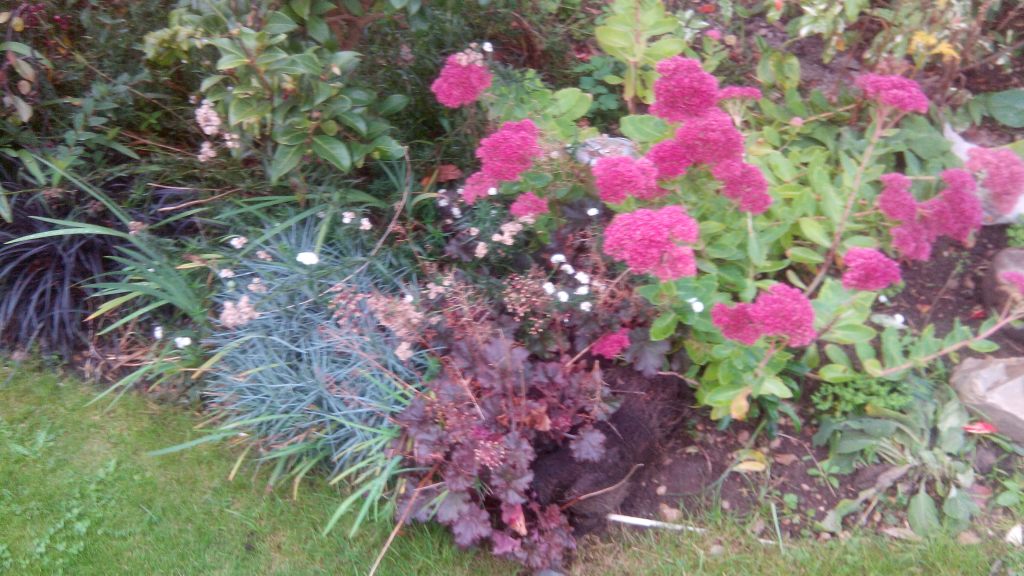
Although this is by far the worst month of the year with cold, wet slippery leaves, rain and dark long nights, November has one advantage in also being the start of the bare-root season. It means trees and shrubs are dormant and often cheaper to buy, so if you don’t have a hedge to cut then now is the time to plant one for five years down the line! If you do buy bare-root, try to plant them promptly. If the weather isn’t ideal or you don’t have a permanent space prepared when they arrive, then you can leave them in the bag in a cool place for a bit or heel them into a spare patch of soil.
When you are ready to plant out, soak the bare-root in a bucket of water for 30 minutes or so to rehydrate. Make sure the hole is big enough to let you spread out the plant’s roots and that the soil is nice and loose – you want to do all you can to help the roots find water as the soil warms up in spring. Firm the bare-root in well and water, even if the soil (or weather) is wet. Mulch to keep the moisture in and reduce weeds.
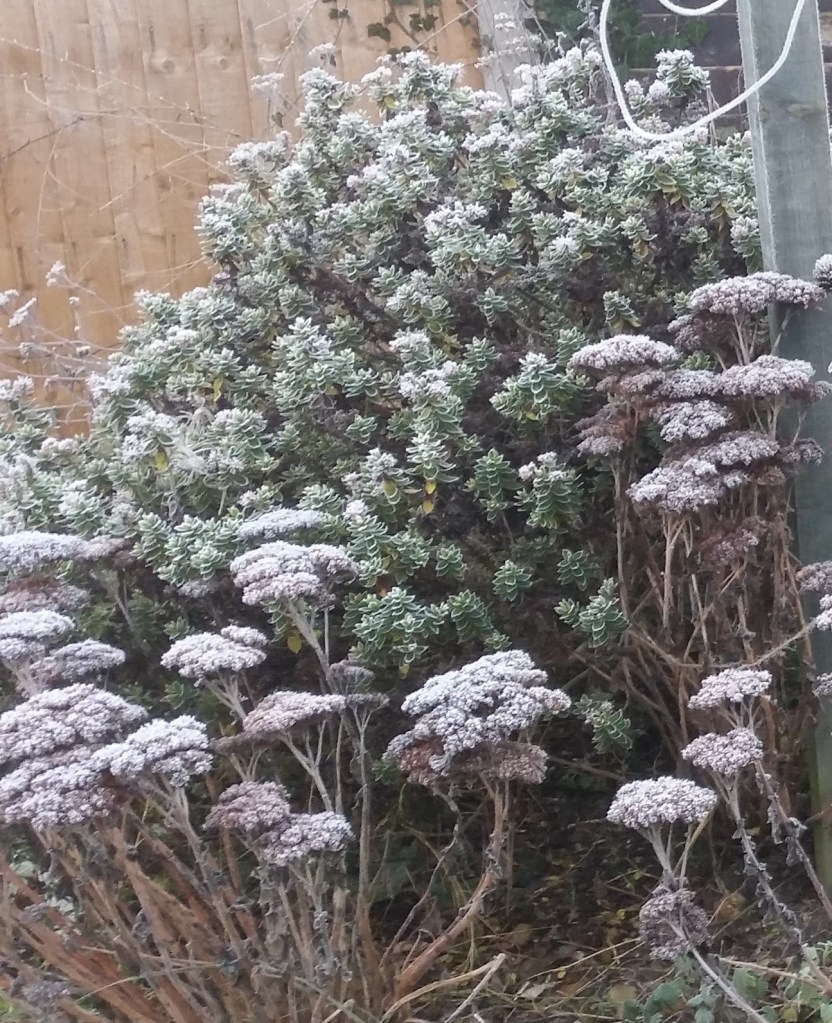
If you’re not planting, it’s probably because – like me – you have no room in the garden for anything else. So spend your time now cutting back in the border, unless you’re leaving stems for structure or over-wintering wildlife. I like the look of sedum Hylotelephium ‘Herbstfreude’ when it’s frosted in the morning and it’s sturdy enough not to turn to mush for most of winter. Leaving its stems also protects new growth at the base. As I move around cutting back, I’ll also remove stakes and supports and the string that holds some of my more unruly plants back.
While you’re cutting back, give your bush roses a light prune; it will reduce their height and prevent them rocking themselves loose of the soil in high winds. You could try using the prunings to make hardwood cuttings, a technique that’s also suitable for shrubs like cornus, hydrangea, salix and forsythia, as well as climbers honeysuckle and jasmine, and fruit from gooseberries to black, red and white currants and figs.
Choose vigorous shoots from this year’s growth and cut the tip out (it’ll only wilt) and then make 15-30cm lengths. Cut just below a bud at the bottom of each length, then dip the bottom in hormone rooting compound. Insert the cutting in a prepared trench in a spare bit of ground (make it an out of the way spot as they’ll take a while to root) or into a deep plant pot so about a third is above the surface.
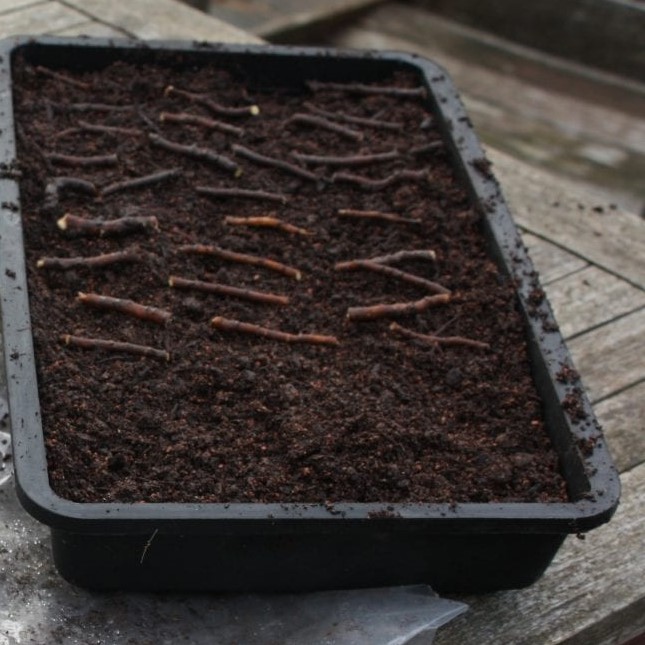
Leave them until summer next year at least (probably longer) and make sure they don’t dry out – new growth indicates roots have formed and you can consider potting them on.
If hardwood doesn’t do it for you, try root cuttings between November and March while plants are dormant. Papaver (the perennial, oriental poppy), verbascum, Japanese anemones, and phlox are all good candidates. Choose young, slender roots about 5mm thick and cut into pieces: length isn’t important. Verbascums and poppies do better if you plant them vertically, while anemones and phlox work better laid horizontally on the compost’s surface. If you’re inserting them vertically, make sure the top is uppermost or they won’t grow.
Finally, I’ll get some work done on my fruit trees and bushes to maximise crops next year. I’ll apply grease to fruit tree trunks to prevent female winter months climbing up to lay their eggs and reduce the maggots that follow in the fruit. Autumn-fruiting raspberries can be cut back, I’ll take out a third of older stems of my blackcurrant bushes, and prune gooseberries by removing stems from the centre. Runners from strawberry plants will also need cutting off from their parents but I can pot them up to grow on (look out for a few in our May plant sale).
So do try to get out in the garden this month. Even though it’ll probably be wet, cold, rainy, and dark; try.
 Dedham Horticultural Society