
It’s been a surprisingly and unseasonably warm autumn to the point I’m writing this but hopefully by now the temperature has dropped and a bit of chill has settled in. So I expect you’re wondering what you can do to keep you warm outside. No?
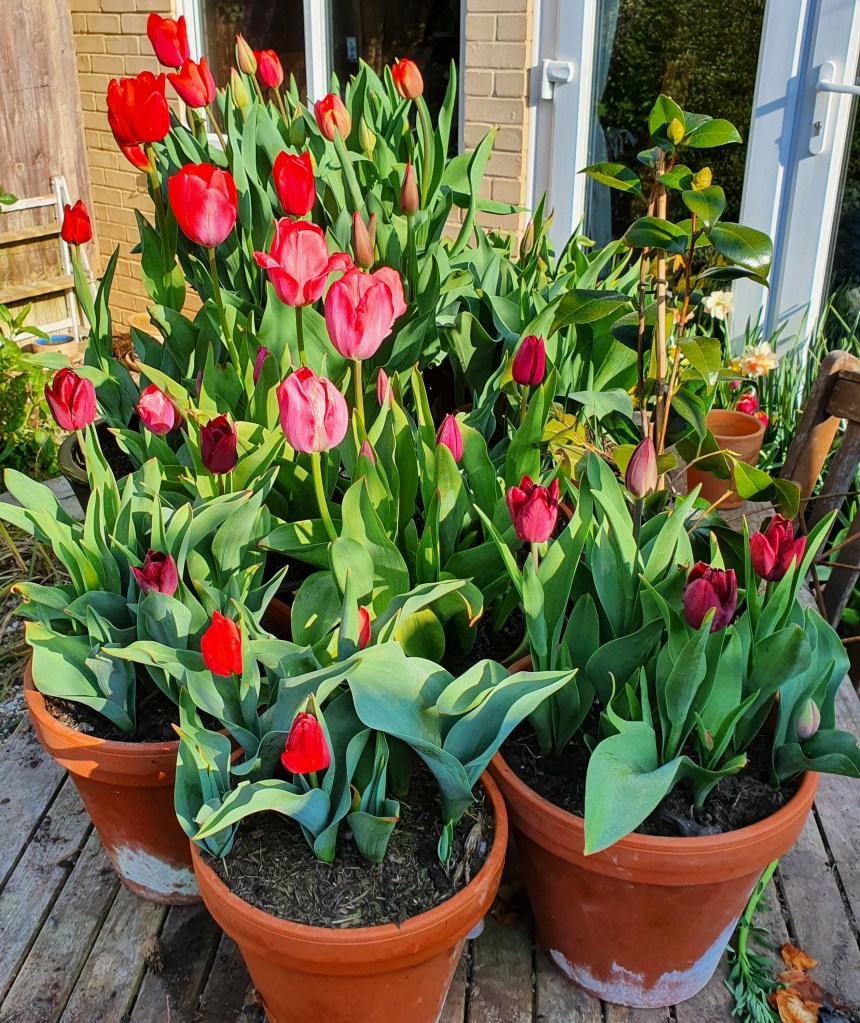
If you still haven’t planted your tulip bulbs, there’s still time in December and even January to get them into the ground or in containers as bulb lasagnes. I love tulips and the range of colours and forms but I’m afraid I may have gone a bit nuts this year (who am I kidding, this is really no different from any other year) with the number ordered. There will be a range of pinks for the cottage border and shades of deep red and purple for deeper into the garden.
It’s not just tulips either. I’m already looking at dahlias and as hellebores start to flower, I wonder if there isn’t a new cultivar I have to have (there is but I don’t need to have it). What I should do is remove any hellebore foliage marked with black blotches to limit the spread of disease and make the plants I have as healthy as they can be. Specialist nurseries recommend cutting off all the foliage, diseased or not, to help stop the new season’s growth becoming infected. This has the added advantage of ensuring the flowers can be seen to their best.
With the leaves off deciduous shrubs and trees, now is the perfect time to look at the structure of the garden and work out whether anything can be cut back or pruned for better shape. This sounds great in theory but in reality, I think a cloud-pruned something-or-other is going to look a bit odd in the general rough and tumble of my borders. Instead, I’ll settle for tackling anything too high, too wide or too crowded with loppers, secateurs and shears.
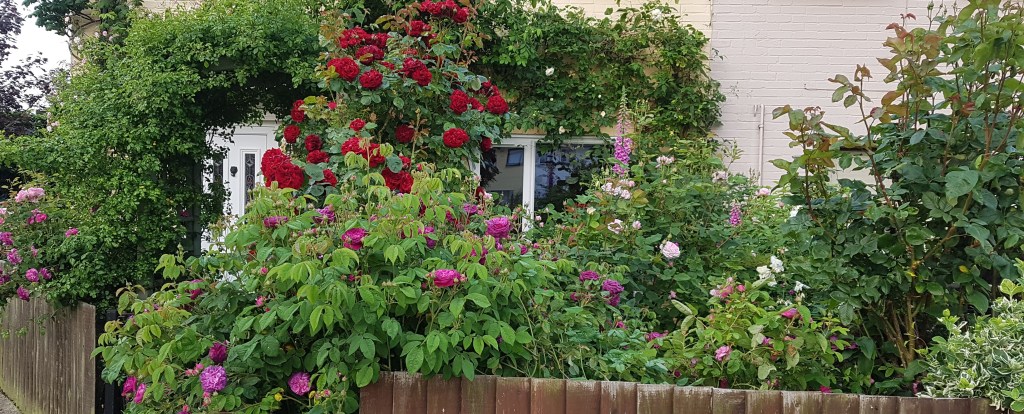
It’s a good excuse to get into the front garden and control the 20 or so roses threatening to attack the postman. I’ll also prune my climbing Claire Austin rose; a sturdy shrub shrouding the front of the house, which needs managing so she’s not pushing her way into the neighbour’s house. I’ll remove diseased and damaged growth, tying in where needed and cutting back older side shoots that have already flowered by about two-thirds of their length.
Take the chance to clip box hedging now too as box blight is dormant in winter. The cuts you make will have healed by spring when the spores of this fungal disease are airborne, so the chance of an attack will be reduced. Make sure you rake up and burn any leaves under the box as blight can over-winter there.
On the allotment, I’ll finally get round to cutting down the woody stems of asparagus foliage that has turned brown and no longer feeds the plant. I have some gaps in the beds, so will order fresh male crowns to plant in spring.
I’ll lift and divide some of my established rhubarb plants, discarding the centre to reinvigorate them. In January, I’ll chuck a special forcer or a bucket over a strong clump or two to force an early and tender crop of bright pink stems. Don’t try this on the newly planted divisions as forcing puts strain on the plants that might kill them.
Sticky grease around the trunks of my fruit trees will stop wingless female moths climbing to lay their eggs in the branches. When hatched, the maggots enter the fruits to feast and await unwary pickers come harvest time. Grim.
Finally, Christmas brings a great opportunity to start composting. The outer wrappers of Quality Street are made from cellulose, so you can chuck them on your heap instead of in the bin! What a perfect excuse to buy a tin (or two).
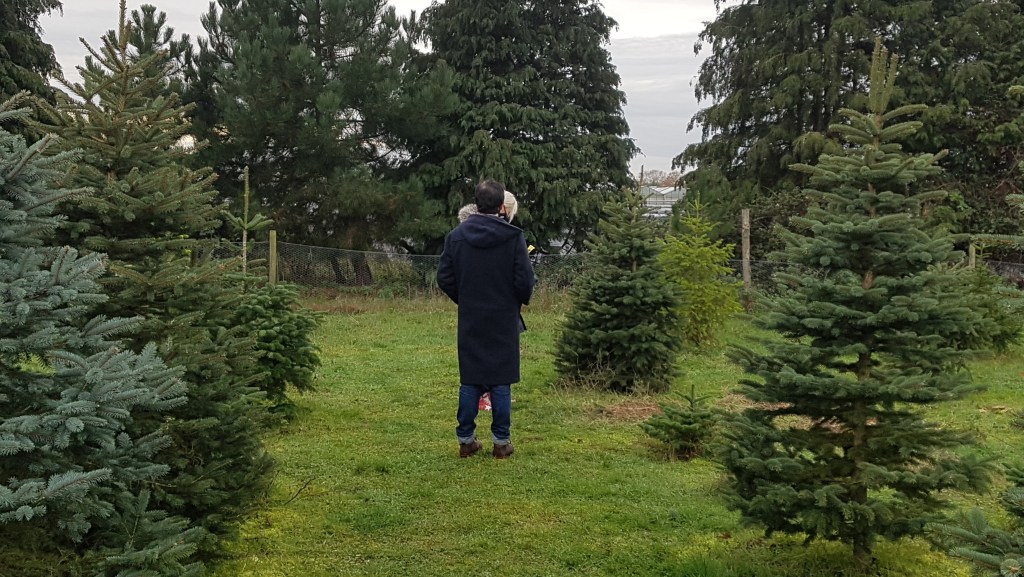
I hope you’ll find time to pick up a carefully chosen tree (see gratuitous tree picture) and enjoy a mince pie and hot mulled wine while you decorate and wrap the presents. Merry Christmas and Happy New Year everyone from the Dedham Horticultural Society committee.
 Dedham Horticultural Society