Happy new year everyone. I hope you’re rested up because now we’re entering February, the weather is hopefully better and there’s plenty to be done to get ready for the year to come.
As you work, don’t forget to enjoy the crocuses, iris reticulata and maybe some daffodils emerging. There will be snowdrops and cyclamen, hellebores and primroses, camellia and winter-flowering honeysuckle as well as the catkins of pussy willow and Garrya elliptica, the silk tassel bush.
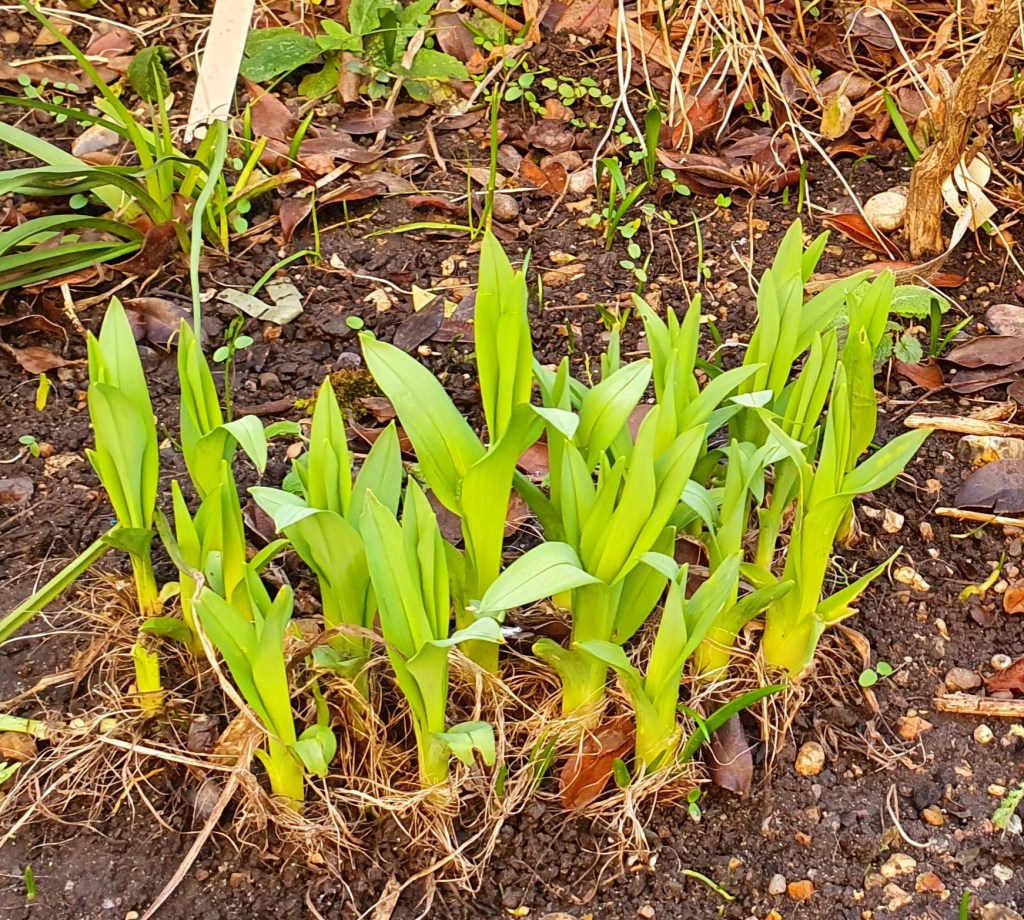
But don’t spend too much time admiring, there’s plenty to do including the last chance to finish pruning wisteria. I’ll cut back the whippy shoots, already trimmed over the summer, even further to two or three buds. I also want to try and take the plant over an arch, so this summer will try to train some of the whippy shoots where I want them.
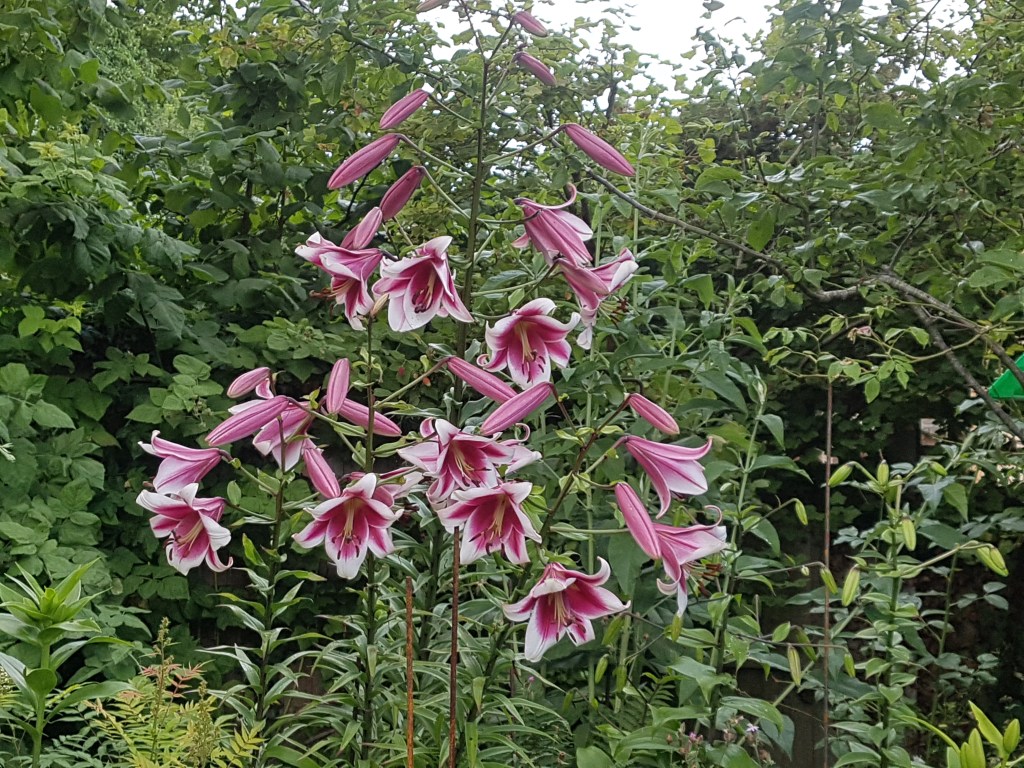
Plant lilies this month: I’ve huge, scented skyscraper (Oriental x Trumpet) lilies in the centre of one bed and martagons in shadier areas. If your soil is heavier, plant them in pots – five in a 10-inch container – and be prepared to stake the taller varieties. Bear in mind that lilies are very toxic to cats though – so if you have them and they like a nibble on your plants, best choose something else.
There’s also plenty I need to do with fruit in the garden and down on the allotment.
I’ll take secateurs to my gooseberry bushes (no doubt shredding my hands on merciless thorns as I do) to cut back sideshoots to two or three buds. I’ll need to take more stems out of the centre of the plant to create a goblet shape and open up the centre. It will improve airflow to reduce mildew and can have the added bonus of allowing birds in to snack on pests. Gooseberry sawfly are the biggest fear and a couple of years ago their caterpillars decimated the leaves of my plants. They don’t go for fruit but left unchecked can stunt the plant’s growth, so it’s always good to know that a man with a drencher of nematodes – and his mate, the brighter-plumed female Slumper – will be active later in the year as the weather warms up.
I’ll drop forcers over a couple of rhubarb crops this month to encourage bright pink, tender shoots that are ready to harvest earlier than the usual crop. Anything that cuts out the light – like a bucket – will do but avoid clumps that you forced last year as they’ll appreciate the chance to recover.
Before you leave the borders, get some mulch on any bare soil. There’s just time this month to do it although try to avoid places where you have dwarf bulbs coming through – your tulips and daffs won’t mind at all. I usually have a good bin of compost ready to go by this time of year, which lets me turn the other two bins once it’s empty and sets me up for the new season. The mulch will keep in all that lovely moisture from January and December, as well as keep down annual weeds and improve your soil structure as worms take it down. Just spread it good and thick – 2-3 inches – but if you have a heavier soil, it’s best to leave this until March when the soil has had more time to warm up.
Finally, if you’re still trying to work off any seasonal excesses, don’t forget that gardening – especially the hard work of digging, hand weeding and raking – is good for you. But you don’t need that added encouragement do you. Do you?
 Dedham Horticultural Society