The longest day of the year is always a bittersweet point in my year as, although it means the height of summer is just around the corner, it also means the days are getting shorter again. But that’s glass-half-empty thinking and there’s too much going on to dwell on it.
The garden is already looking glorious with deep pink alstroemeria and shrubby Salvia microphylla ‘Cerro Potosi’ contrasting with deep blue, purple and ultramarine delphiniums towering to six feet. Roses are peaking in every bed and border, there are spikes of richly coloured iris backed by the white racemes of wisteria, plus lilies and lupins, and alliums taking over from the last of the tulips.
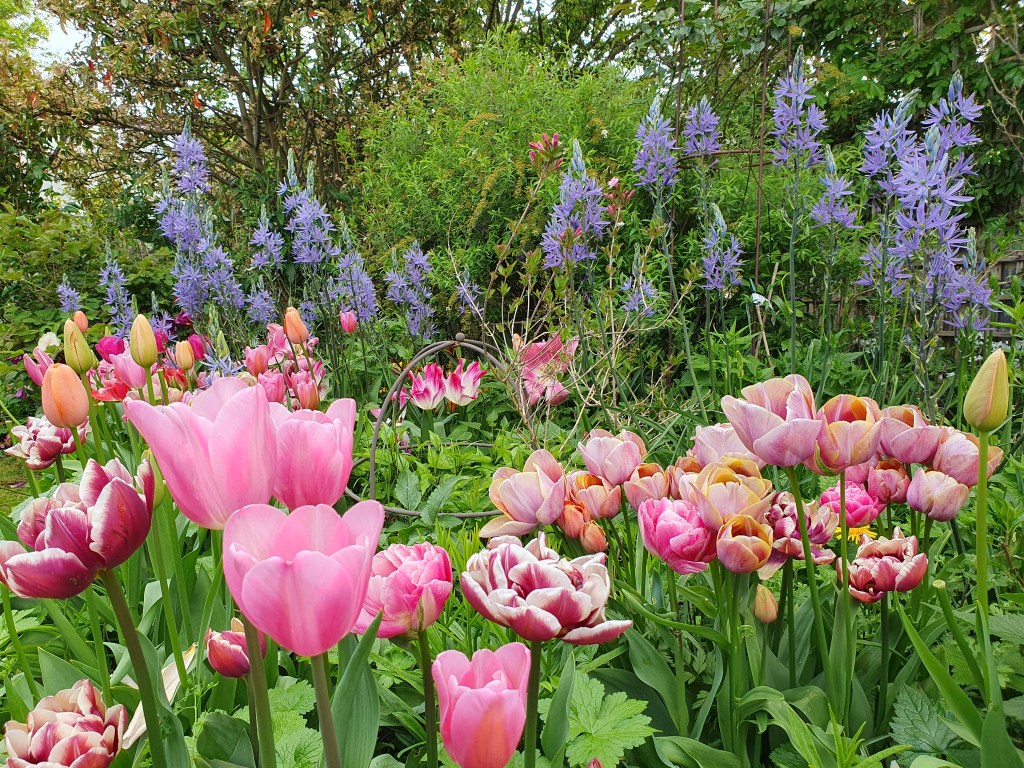
I’ve been exceptionally pleased with the display of tulips I planted late last autumn – delicate shades of pink, peach and apricot contrasted the blue Camassia leichtlinii and have been utterly glorious. But they’re done now, and I’ve cut back the stems so the leaves blend better among the rest of the planting while they slowly die back. Once the foliage has yellowed, I can safely cut them back to ground level.
With so much abandon in the borders, plants can quickly collapse – as like as not the minute you turn your back on them – so make sure your stakes are in place. Tall plants like delphiniums, those with large flowers (poppies and peonies) and those with both (hello, dahlias) will almost always require additional support. If you haven’t done this in April or May when everything is supposed to grow through tidily, it’s time for some emergency staking.
This can be more difficult as plants are bigger and taller, so inserting stakes and tying stems in can lead to damage and the whole flipping thing snapping clean off. If it happens, just tidy it up with some sharp secateurs, pretend it didn’t happen and move on. Match the strength of the stake or other support to the plant you want to restrain, but don’t tie them in too firmly – let them move gently with the wind.
After months of planting and nurturing seeds in the greenhouse and the danger of frost well past, my less-hardy plants – cucumbers, melons, tomatoes, zinnia and dahlia – can now be planted out. Of course, the particularly paranoid would never say never with the British weather so keep some fleece handy in case temperatures drop in the early days of the month.
If you have box hedging, now’s a good time to trim it (sorry but if it needs a harder cut back, then you really should have done it last month). Prune when you’re sure of a few dry days so the cut ends have chance to callus over and reduce the risk that box blight fungus, brought by wetter weather, will penetrate and damage your plants.
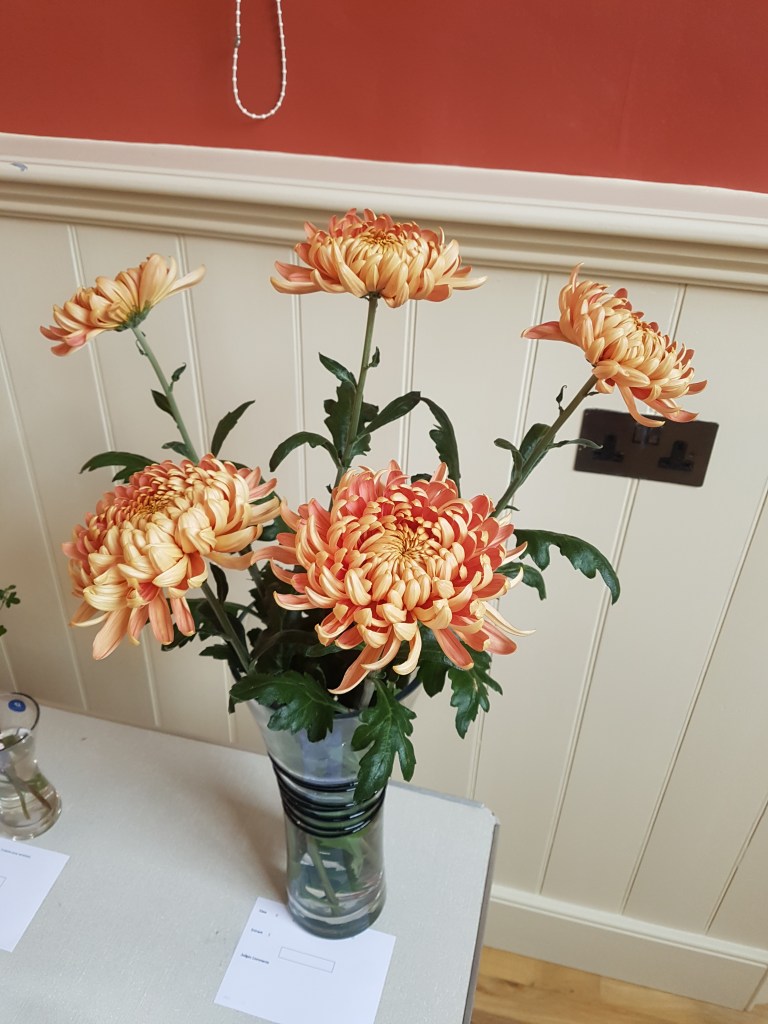
While I can whizz over the box with a hedge-cutter or hand shears, it takes a more delicate touch on the chrysanthemums I’m trying to grow for show. For exhibition flowers, I need one spectacular flower so will ‘disbud’ to keep the main central flower bud but remove all the side buds and shoots. In contrast, I want bushier plants with plenty of flowers in my borders so will pinch out the leaders on these varieties to encourage more side shoots.
The ‘June drop’ reminds me to give some attention to fruit trees and bushes this month. The drop will take care of some fruit but, for the healthiest fruit and better-quality crop, it’s worth thinning plums, pears and apples by hand. With fewer fruits, there’s less demand on limited nutrients and everything should ripen well. You can find recommended spacing between fruit online: for instance, it’s 10-15cm between pears and dessert apples. I can also thin gooseberries while they’re still unripe, removing every other fruit so that what remains can swell to a good size and sweeten in the sunshine before harvesting them in July.
With summer’s arrival, I can also prune stone fruit – cherries, plums, greengages, peaches and nectarines – without the risk of silverleaf.
As ever, there’s plenty to do so bust out the tools (sorry) and get in the garden.
 Dedham Horticultural Society