
If you’re like me and there’s not much happening in your garden this month, why not get out to one of the region’s great gardens to see what inspiration they have to offer instead?
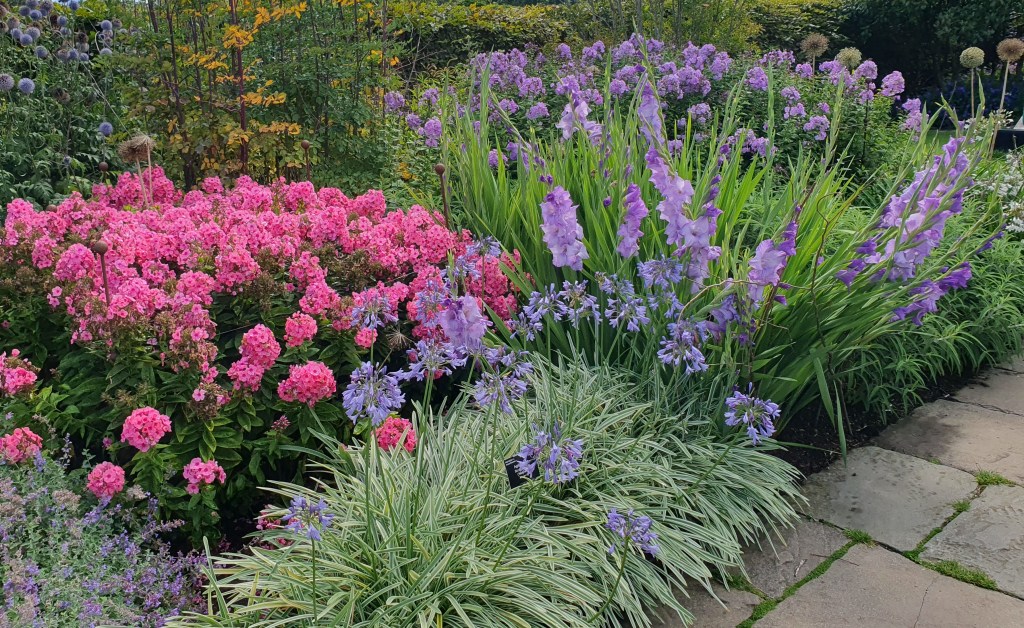
For instance, Anglesey Abbey’s gardens boast more than 300 different species and cultivars of snowdrop, or you could explore the snowdrop trail at Cambridge University Botanic Garden. The latter also has a winter garden of ornamental trees, striking-coloured stems, fragrant shrubs and beautiful bulbs to enjoy.
But while gardens are also great attractions for half-term with the family, I’m afraid ‘not much’ still leaves room for a few jobs you can do at home.
If you lifted your dahlias as I did this year, you can start them into growth towards the end of the month and get them ready for you to take cuttings. Add tubers to trays or pots, just lightly covered with compost (too much can lead to waterlogging and rot) and put them somewhere bright and warm (bottom heat is best).
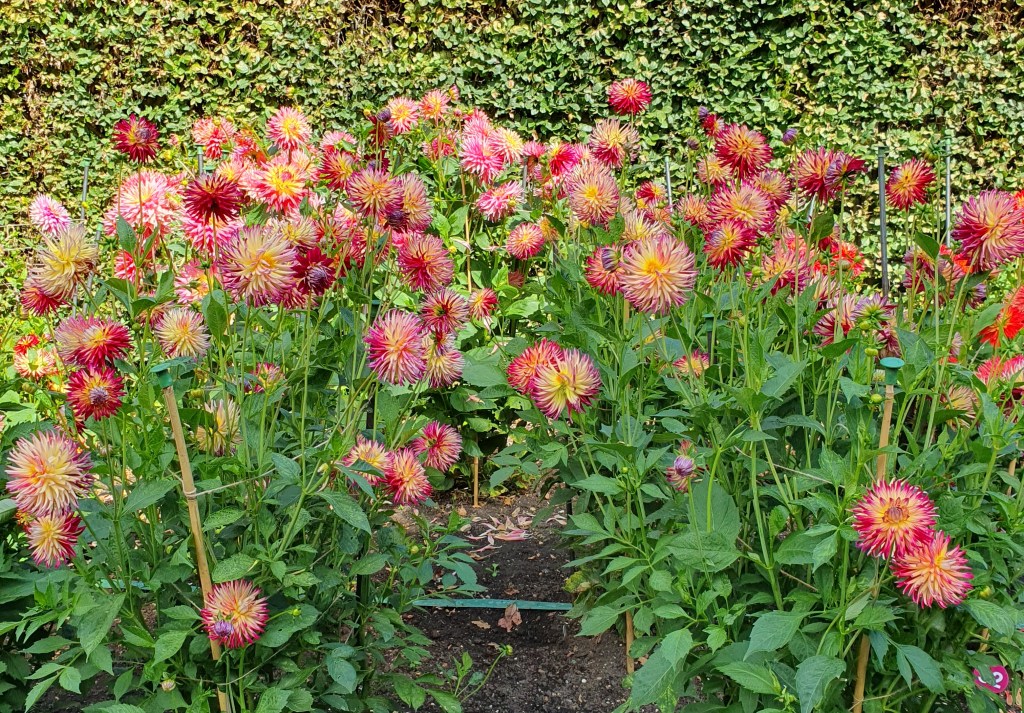
You should see new shoots in a couple of weeks and be able to take cuttings about three weeks after that. New plants from cuttings apparently make better show blooms (if I can tempt you to exhibit in our show this September).
Apparently February is also a chance to sow summer bedding and tender annuals, including cosmos, nasturtiums and snapdragons. Personally, it feels much too early and, in my experience, cosmos especially are better off sown later. However, if you have a heated propagator or a spot on a warm sunny windowsill above a radiator, you could sow some slow-to-germinate chillies. Use free draining compost and keep them well-watered but don’t let them sit in soggy compost. Once they have true leaves, pot them on and help them become good and bushy with a high nitrogen fertiliser. Switch to a high potash feed when the first flower buds start to appear.
I bought some amaryllis (Hippeastrum) bulbs this Christmas – something I haven’t grown for years – and they are just starting to sprout as I write. Fingers crossed they make a colourful display for the gloomy months and, once the flowerheads fade, I will let the stalk die down naturally before cutting it off and storing the bulbs for next year.
I’m trying again with pelargoniums (tender ‘geraniums’) despite overwintering being a disaster in the past – probably because the frost has got them, or I’ve overwatered. This year, I’ve flung some fleece over them and if the weather gets colder, I may bring them into the house. It’s important to regularly remove dead leaves, keep them cut back to healthy growth and ensure plenty of air circulates around them to ward off the dreaded botrytis.
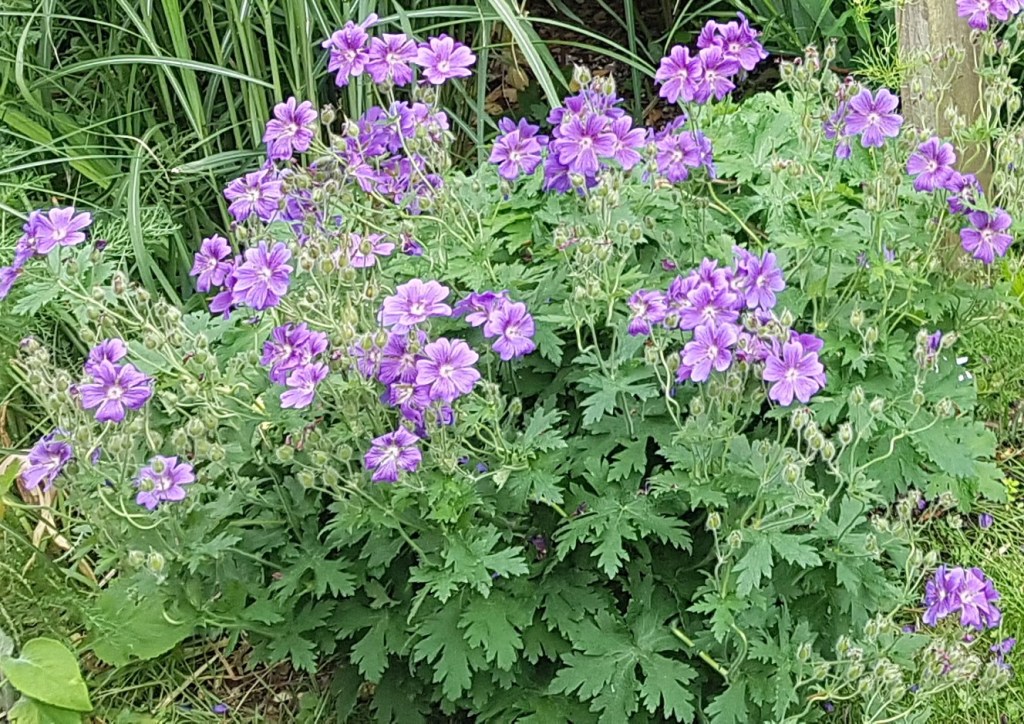
I’ve a large hardy cranesbill – the true Geranium – that needs dividing. It’s a beast of a thing that will take some digging out, then a good chop into several pie-shaped pieces with a sharp spade, before spreading it around the borders.
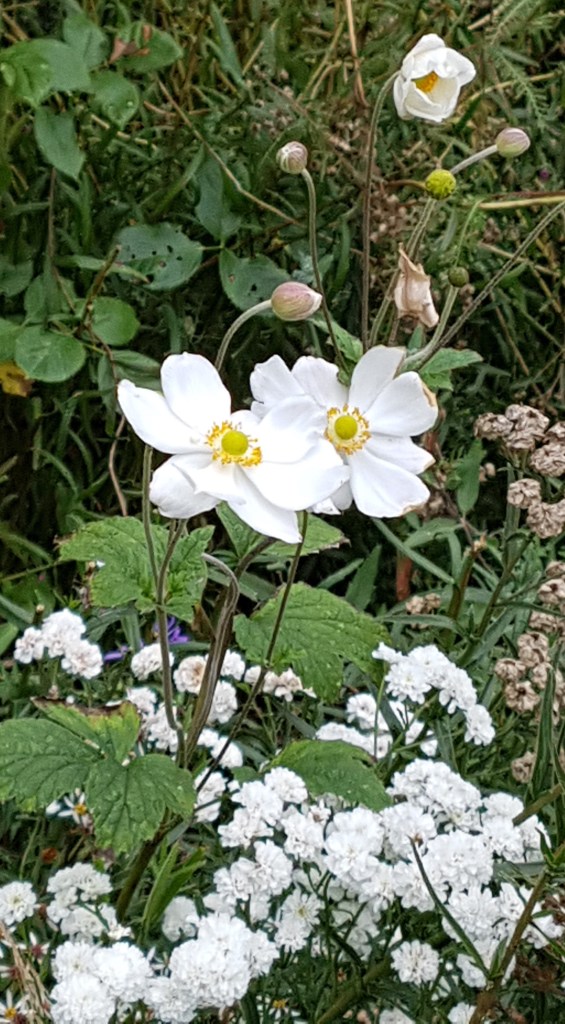
I’m also going to take some root cuttings. Good plants for this include perennial poppies, Verbascum, Phlox paniculata, theflowering quince and lilacs – some of which don’t take readily from shoot cuttings. If it tends to sucker (hello, Japanese anemone taking over that bed at the back), it will usually be good for this technique.
Start with a big, healthy mother plant, lift it and wash as much soil off as you can to expose the roots. Cut off young, pencil-thick samples close to the crown and discard the thin end. Remove any fibrous roots before making 2 to 4-inch lengths with an angled cut at the bottom and a horizontal cut at the end that was nearest the crown.
Insert the cuttings, pointy end first, into pots of gritty compost to that the top is just below the surface. Then top dress with a 1cm layer of grit before watering and storing in a cold frame. They should be ready to plant out in spring next year.
You may not be able to lift woody plants like the quince or lilac, so dig down and take roots up to finger thickness. Others, like Phlox, have thinner roots and will need longer root sections (3 to 5 inches) to be successful. Lay these horizontally, about 1 inch apart, cover with 3/8 inch of compost and top-dress with grit. Whether you’re getting out in your own garden or visiting a garden attraction this month, enjoy – as spring is on its way.
 Dedham Horticultural Society