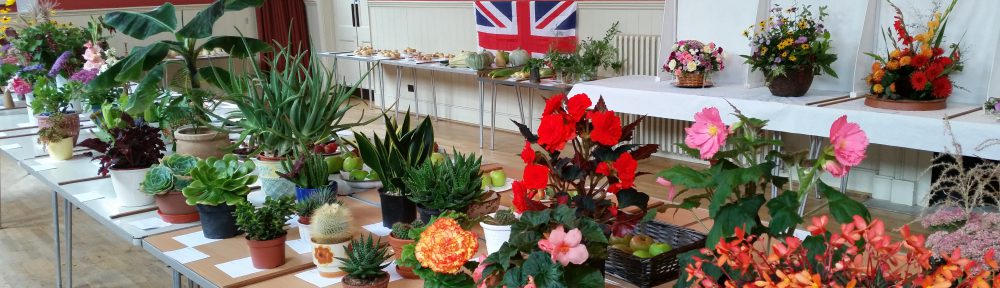
Well summer is well and truly over, and the days are getting cooler and shorter, but there is still plenty to do in the garden before wetter and more wintery weather makes it harder to be on or working the soil.
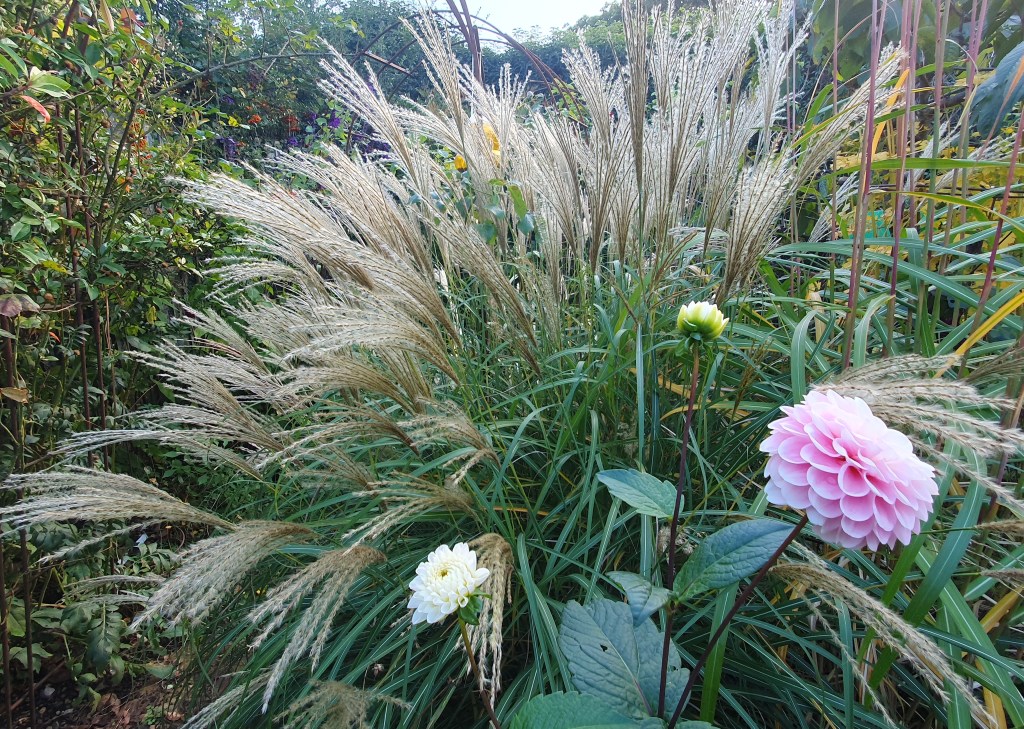
I still have some dahlias flowering and with continued deadheading they may carry on into November, before the first proper frosts blackens them and I have to cut them down and decide which ones to lift. Plumes of Miscanthus grasses glow red and silver in the sun, alongside asters and sedums giving bees the last of the nectar to turn into winter stores.
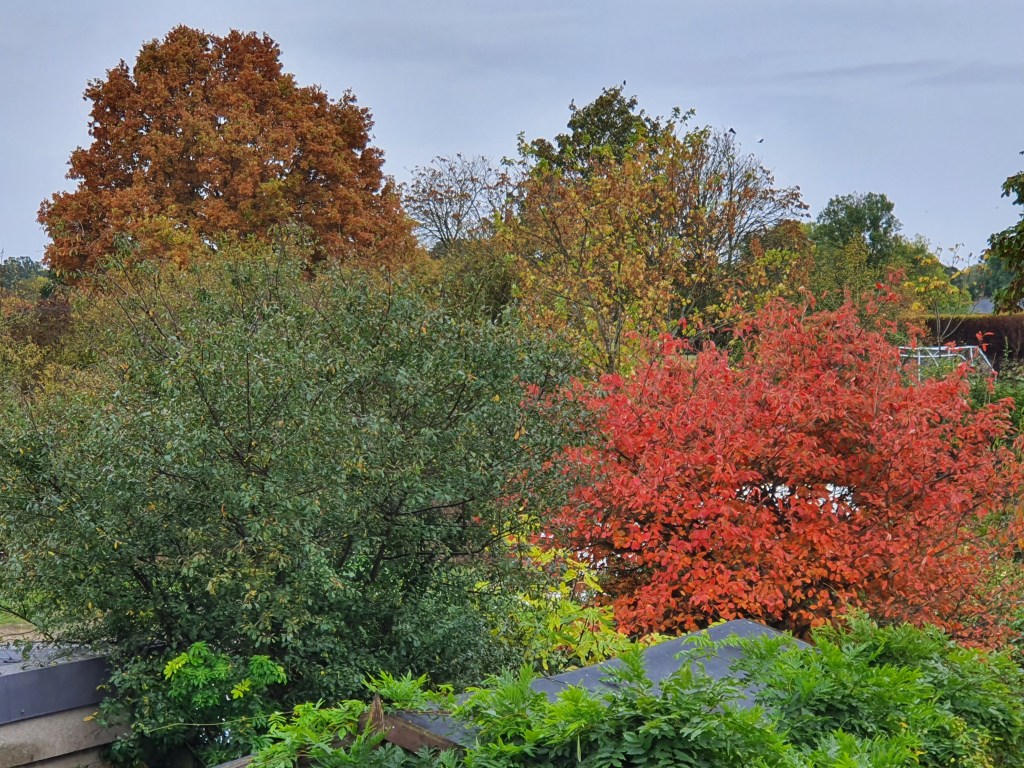
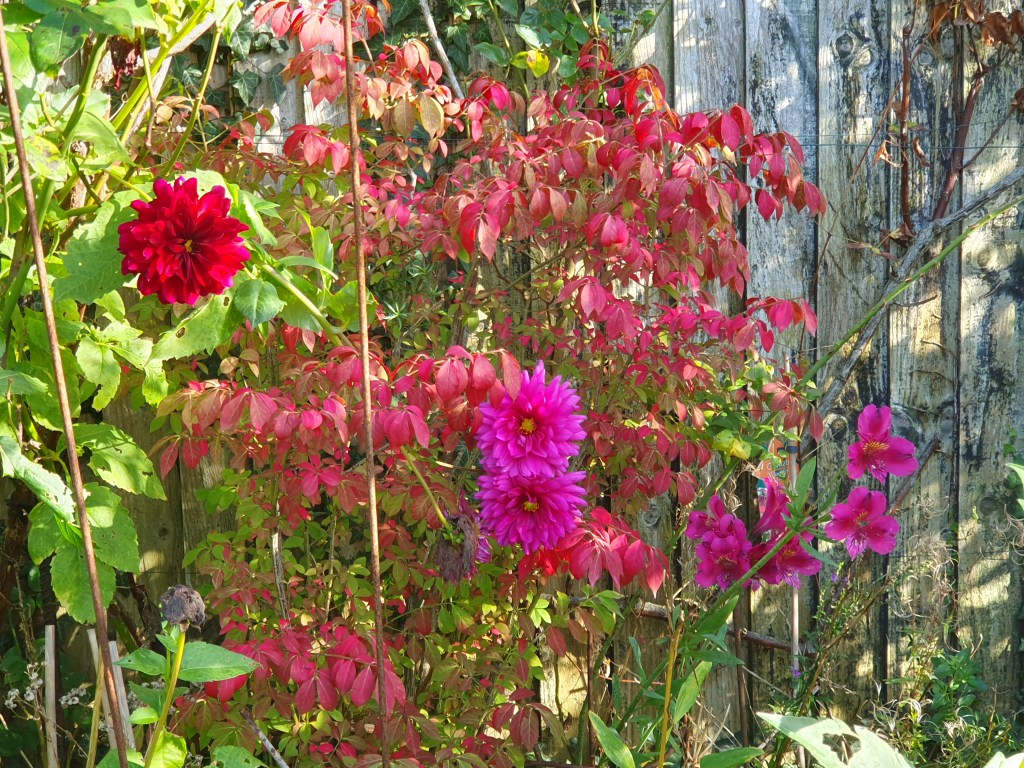
Although the chill may be ending some perennial flowers, it’s also turning my Euonymous alatus – the winged spindle or burning bush – shades of deep pink and red. Last year, I even had some grapes on a vine in the middle of the month.
You can be getting ready for a colourful spring by getting your bulbs in now. Get daffodils in as soon as you can but tulips will be better off if you plant in November as the colder weather will provide some protection from tulip fire (which sounds very dramatic and means brown spots on flowers with withered and distorted leaves). Plant bulbs to three times their own depth: the deeper you plant the better protected they are and the more likely they are to return.
The planners among you may be looking ahead to our Spring Show in April and thinking about what daffodils to exhibit. Search ‘daffodil’ on our website for a brief article on key classes so you can buy bulbs to match.
I’ll start preparing my pelargoniums for overwintering indoors, which basically means protecting from frost, reducing watering as the plants go dormant, and maximising the amount of light they get. Botrytis cinerea can be the biggest problem as winter plants need good air circulation to prevent this grey mould, so I avoid wrapping them against frost, spacing plants well apart instead. As things are never certain, I’ll also take some cuttings and bring them on in a heated propagator.
If you have a fruit and veg patch, you might be cutting back the fruited canes of summer raspberries and tying in the green canes that grew this year for harvest next. I’ve several clumps of rhubarb in the garden and on the allotment and I’ll check to see if any are congested and need dividing by digging them up and splitting them with a sharp spade. Chuck any that look past it and replant the rest.
I start raising the blades on the lawnmower this month and will trim when the weather is drier. I also run my electric scarifier over it to lift the thatch and dead grass that has accumulated from the summer months. I’ve really reduced my lawn to expand my borders, so it’s more likely that I’ll get round to spiking it with a fork to loosen any compaction and improve drainage. When rain is forecast, I’ll spread some autumn lawn feed and maybe some seed mixed with a bit of compost to revive it a bit.
There’s plenty to do this month – so let’s go!
 Dedham Horticultural Society