
Spring is here and there’s green everywhere! Spring bulbs are in full flower now and my bees will be taking advantage of every warmer, sunny day to gather pollen and nectar as their colony starts growing. But don’t get too confident, as it’s very possible that a cold snap could set everything back again, so have some horticultural fleece at the ready for anything tender.
If your snowdrop clumps are getting too big for their space, it’s a good time to divide them once they’ve finished flowering. Dig up part of the clump – roots, soil and all – and drop it into another spot. Snowdrops transplanted like this, ‘in the green’, perform better than if they are planted as bulbs in autumn.

You can also divide herbaceous peonies now, just as they’re coming out of dormancy. According to the National Gardens Scheme, doing this every two or three years improves flowering. I’ll try this with one of my larger peonies; digging it up and using a knife to split it so each division has three or four flowering buds at the base. I’ll space them further apart and replant them with those buds just below the surface.
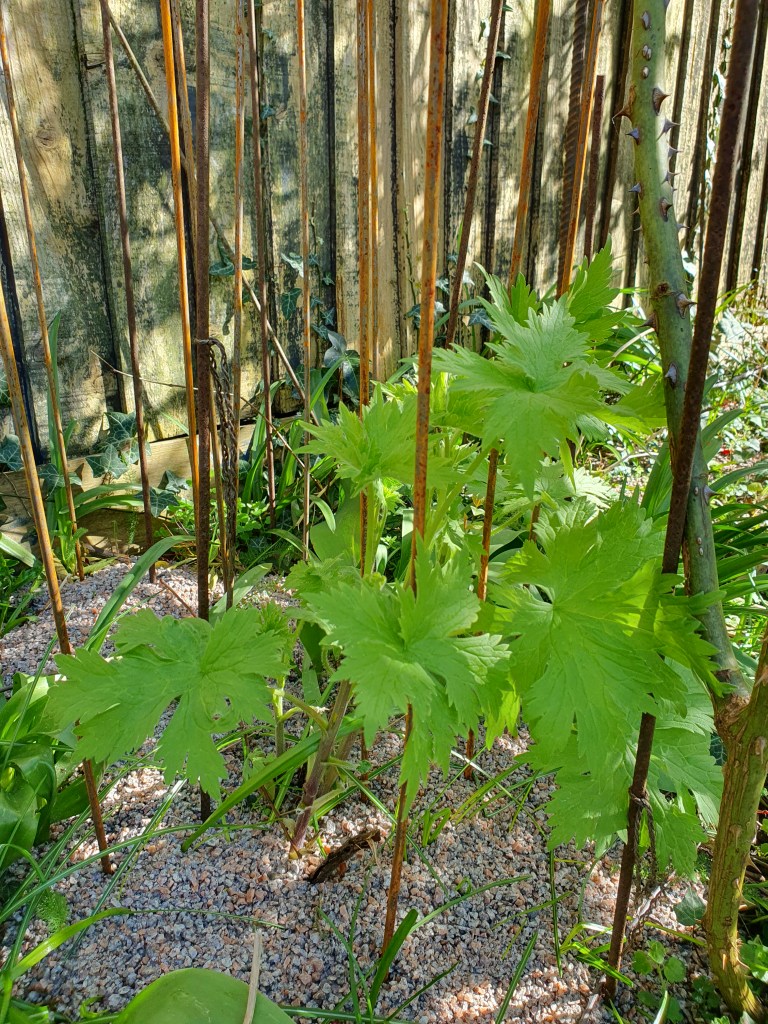
Some of my hostas also need dividing as they are outgrowing their pots. I’ve had to saw these apart in the past as the roots can be compacted and tough, but they quickly recover for a great display over the summer. You can do this with agapanthus, delphinium, primula and plenty of other plants now too.
If you buy dahlias as tubers, you can plant them in your beds about six weeks before the last frosts are expected. After six weeks, the new growth will be coming through, so if you time it right you can get an early start with your plants and protect the new growth from frost damage.
If you lifted your tubers in autumn, you can also start propagating them for more plants. Get them out of storage and pot them up using multi-purpose compost. Choose pots that will just fit the tuber – you don’t want too much wet soil surrounding them as they can rot – and fill them so that the old stalk or the top of the tuber is just above the surface. Water them and then leave them in a warm, light position or in a propagator. Check on them occasionally as they start to put on growth, and they’ll be ready to be planted out after the danger of frost has passed.
Once the fresh shoots have grown to about 8-10cm, you can take basal cuttings. Select a healthy shoot and, using a sharp knife, cut just above the point where the shoot emerges from the tuber and just below the lowest pair of leaves.
Cut off the leaves from the lower half of the stem – they will just rot once inserted into the soil. Pinch out the growing tip and dip the base of the cutting into hormone rooting power. Then push them into a pot containing cuttings compost and put them into a propagator or under a plastic bag supported by sticks. They should root after a few weeks.
If you grow dogwood (such as Cornus alba ‘Sibirica’) or willow (try yellow Salix alba var. vitellina ‘Britzensis’) for colourful stems in winter, it’s time to cut them back at the end of this month to just above ground level. This will stimulate fresh growth over the season, which will give you the most colour by the time winter rolls round again.
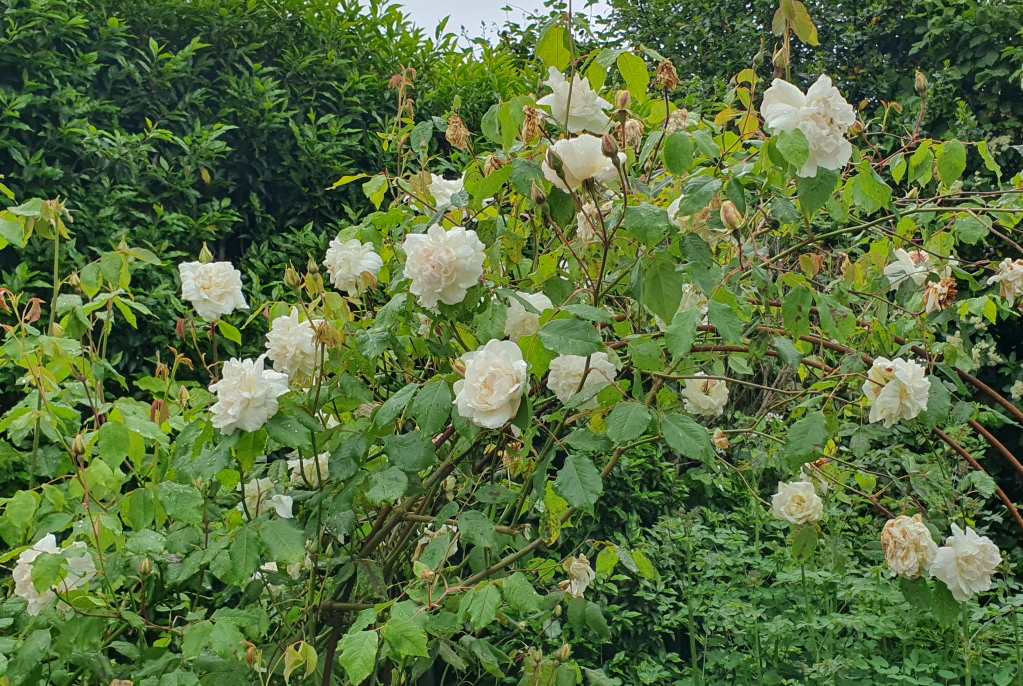
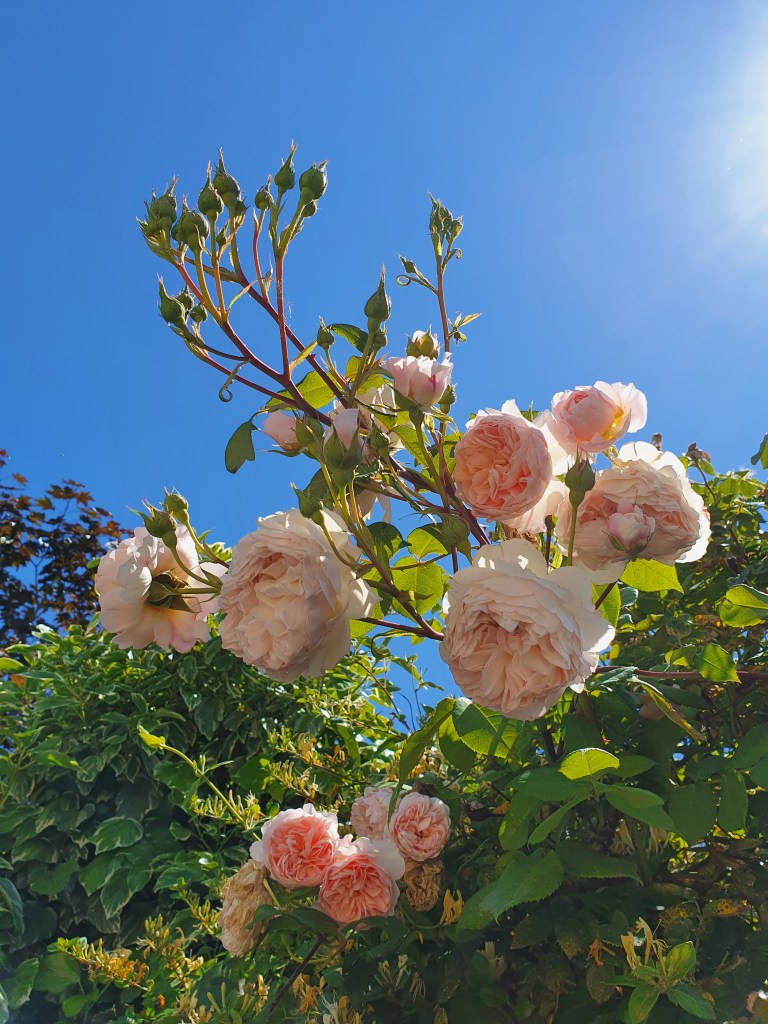
Having cut back and pruned my roses last month, March is the time to feed them with a slow-release, granular fertiliser forked into the soil around them. I’ll also give my rhubarb plants a high-nitrogen feed like sulphate of ammonia or chicken-manure pellets, so I can harvest the first stalks next month.
Finally, I’ll get my plant supports into the beds and borders: getting stakes, tripods, grow-throughs, wigwams, hoops and fluted peony supports into the ground now, as well as trusty twine, will ensure they get hidden by the plants as they grow.
 Dedham Horticultural Society