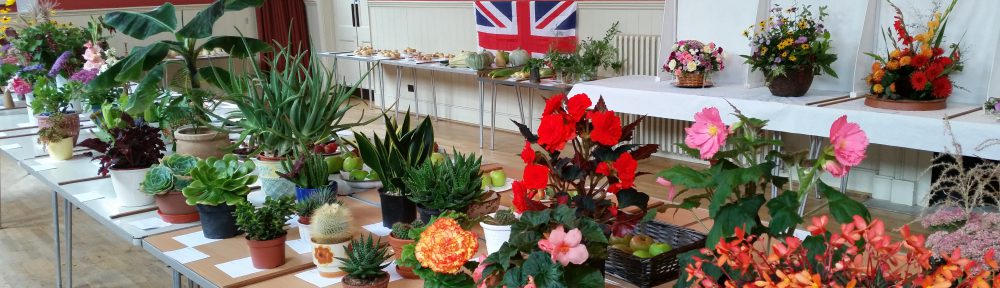
I hope you enjoyed the festivities and that any events (say games night) brought you together for plenty of fun and just the right amount of competitive spirit. Winters being what they are these days, the garden is already alive with pops of colour with plenty of plants flowering their little hearts out right now.
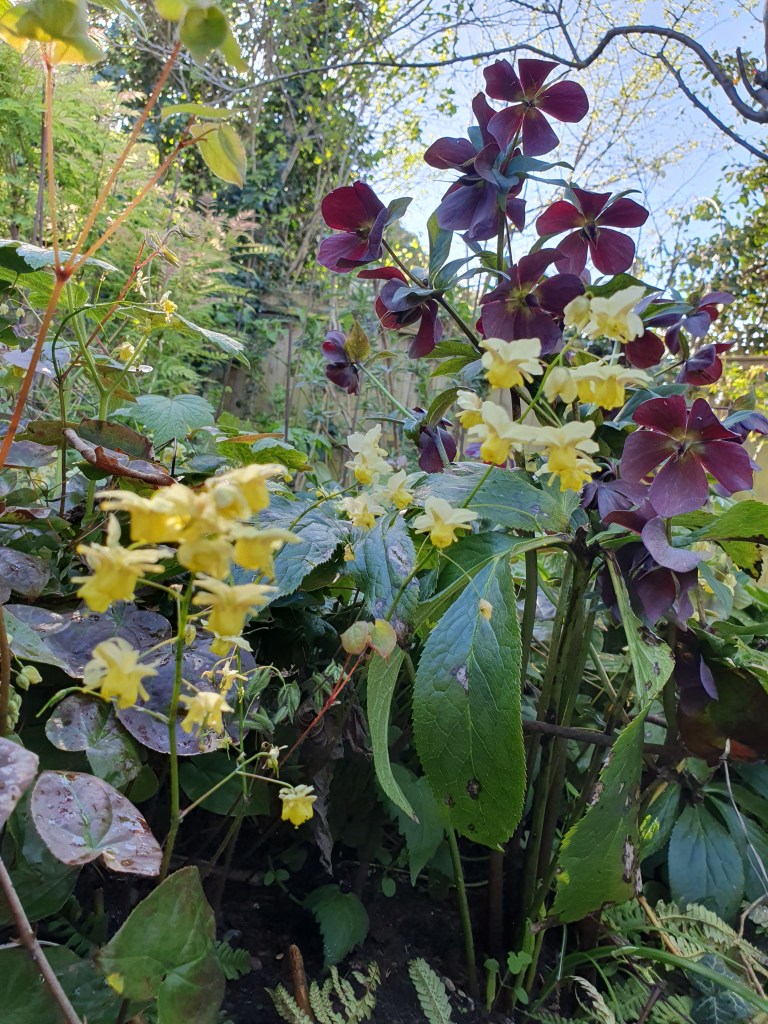
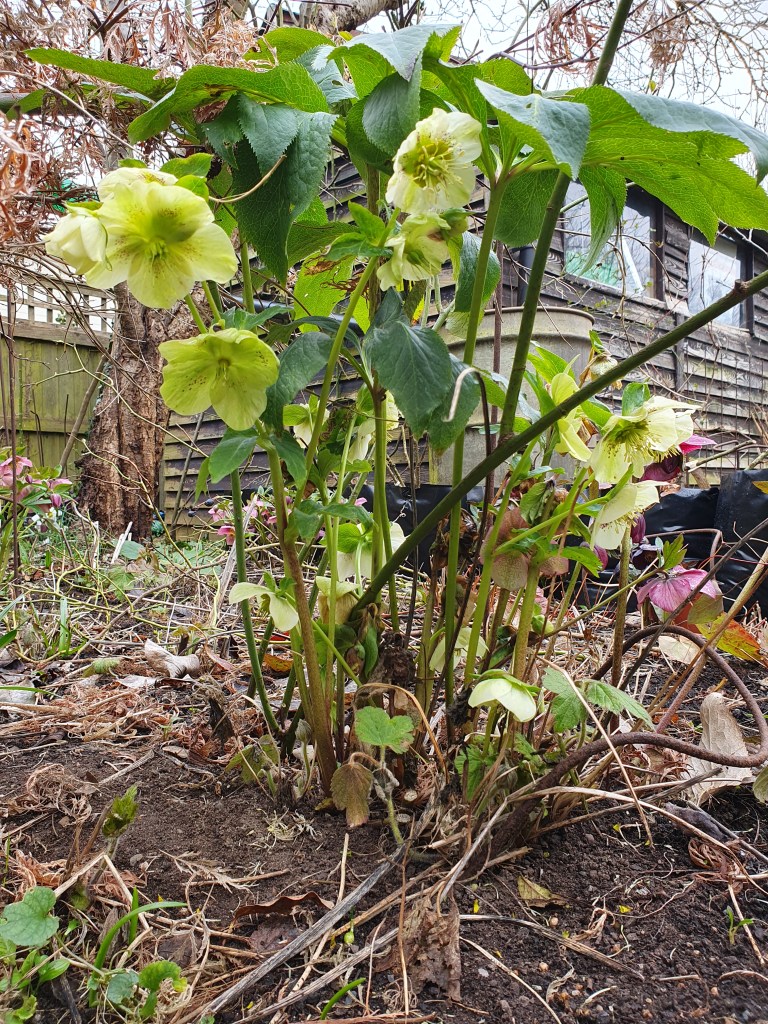
Bulbs like snowdrops, crocus and iris reticulata are competing with the hellebores, primroses and primulas, while over them shrubs from mahonia and forsythia to pussy willow and hazel are offering up pollen and nectar to early-emerging pollinators.
If you’re looking for something to do (I know you are), February is a great time to prune roses and give them the best start to the year ahead. Make sure you use your sharpest secateurs to make the job easier and for cleaner cuts that cause less damage to the plant. Have some loppers and maybe a sharp pruning saw to hand for thicker stems (if you have to strain to cut with secateurs, switch to a bigger tool). Don’t make random cuts; always go back to something – just above a bud, leaf or the joint with another stem.
Roses are pretty tough, so don’t worry too much about how you prune them. You might get a bit of die back or lose some flowers if you cut at the wrong time, but pruning is unlikely to kill your plants.
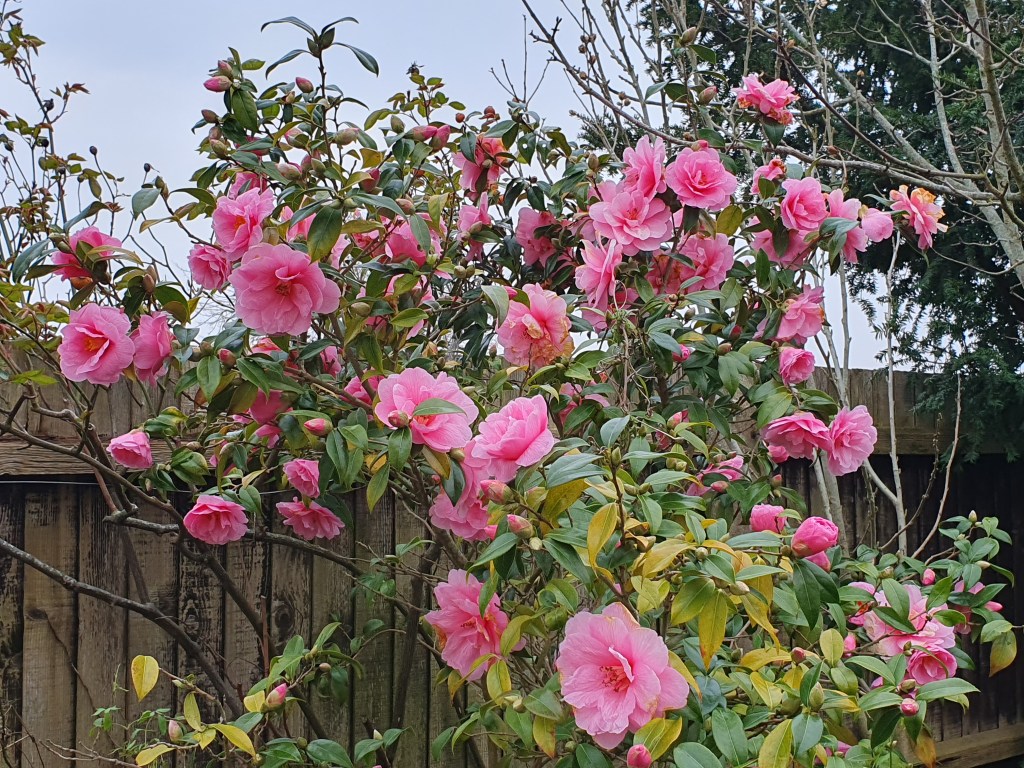
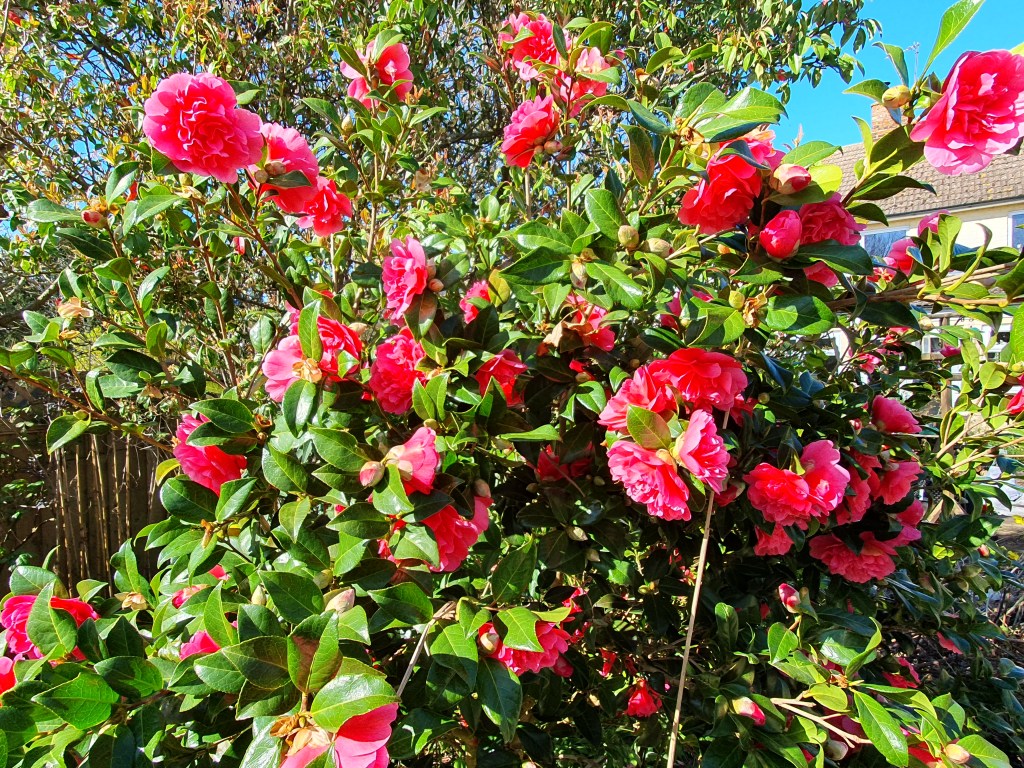
Bush roses hybrid teas (large-flowered) and floribunda (cluster-flowered) flower on the current season’s growth, so prune them hard now. Remove all weak, wispy, damaged or crossing stems first. Then take back anything that remains to form an open bowl or cone shape. I know some who traditionally cut hybrid teas back to 60cms each year and RHS Wisley aims to cut out all three-year-old wood in favour of younger more vigorous growth.
Shrub roses have a wide range of varieties and need very little pruning. It’s fine to do these now too and you can even whip over them with a hedge-trimmer or shears, though I quite like the zen-like use of secateurs. You can also cut them back in late summer once they have finished flowering.
Then there are the true climbers, flowering from early summer to autumn with single large blooms. Aim to remove about a third of the plant – the oldest, woodiest stems – to maintain a framework or long shoots trained horizontally so side shoots (which carry the flowers) break from them come spring. You can do this any time after they’ve flowered but certainly no later than this month. If you do it when the sideshoots have started growing, you’ll cut off flower buds.
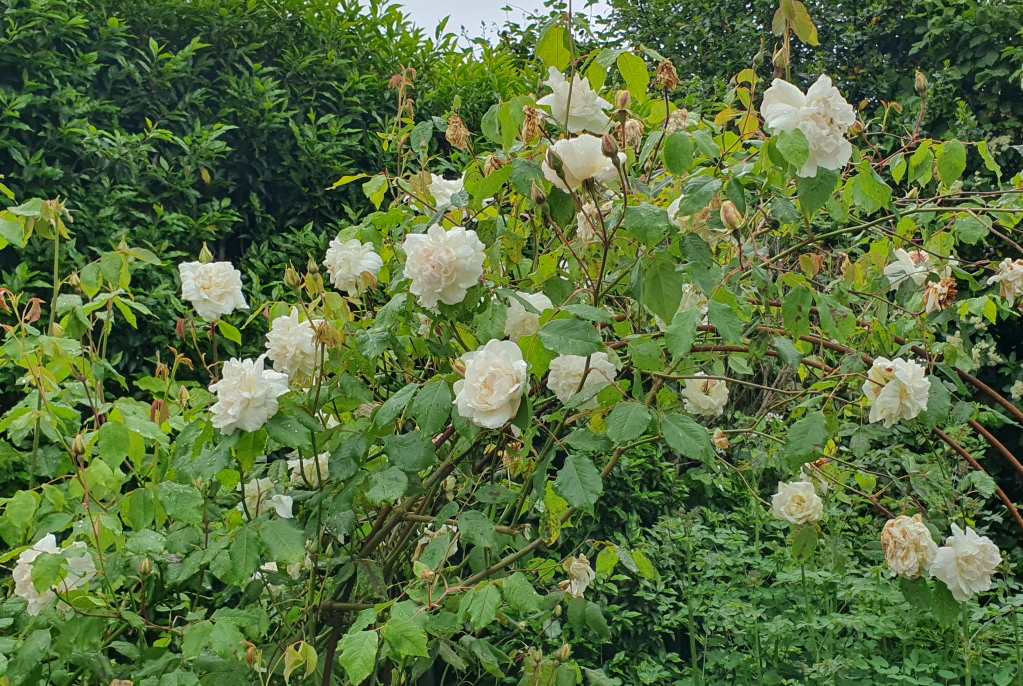
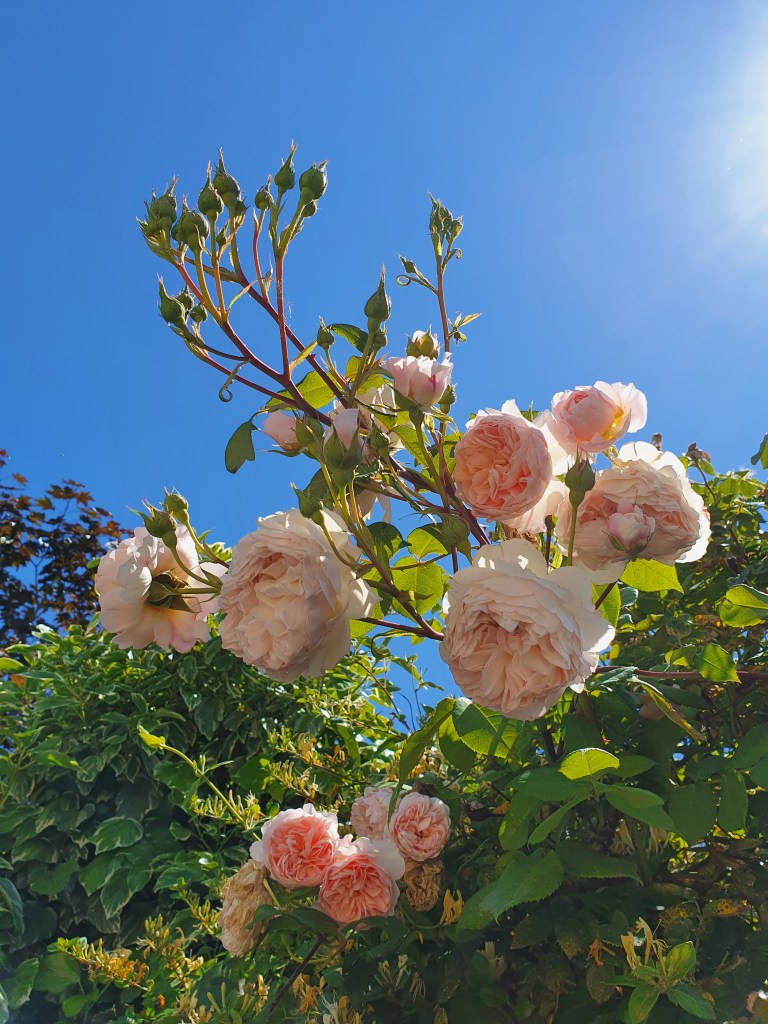
Ramblers are also climbers (I know, confusing) but carry clusters of smaller flowers once, around mid-summer. These don’t need a lot of pruning but should be trained and trimmed immediately after flowering as the flowers grow mostly on stems that sprout in late summer.
From roses to grasses – ornamental that is, not the lawn – which are starting to look ragged now. Don’t worry about evergreen varieties, like Stipa gigantea, which just need the flower spikes cutting off at the base at the end of this month or in March, and maybe a comb through with your hands (wear thick gloves) to rake out dead leaves.
Instead, focus on deciduous grasses – I have Miscanthus sinensis ‘Flamingo’and ‘Malepartus’, and Calamagrostis × acutiflora ‘Karl Foerster’– which should be cut back hard, close to the ground. Right now, the new green shoots shouldn’t be too long but be careful not to cut off any that are emerging. If you want to move your ornamental grasses, wait until late May or early June, when they are growing strongly and will have the best chance of surviving.
I hope 2025 has started well for you all and you are looking forward to the year ahead.
 Dedham Horticultural Society