The longest day is behind us and the garden is full of flower with a second flush of roses and lilies, daylilies and dahlias in bloom. We’ll sow biennial seeds like foxgloves, honesty, forget-me-nots and wallflowers and – at the end of August – hardy annuals seeds from cornflowers and larkspur to pot marigolds or some poppies. They’ll all make it through winter to flower next summer.
Much of the gardening, however, will be about keeping on top of the weeds, watering (yes, even with the British weather), feeding and deadheading to keep as much of the garden as productive as possible.
Dedham Horticultural Society meanwhile takes a bit of a breather and some space to look back on the year that’s been and prepare for the programme to come.
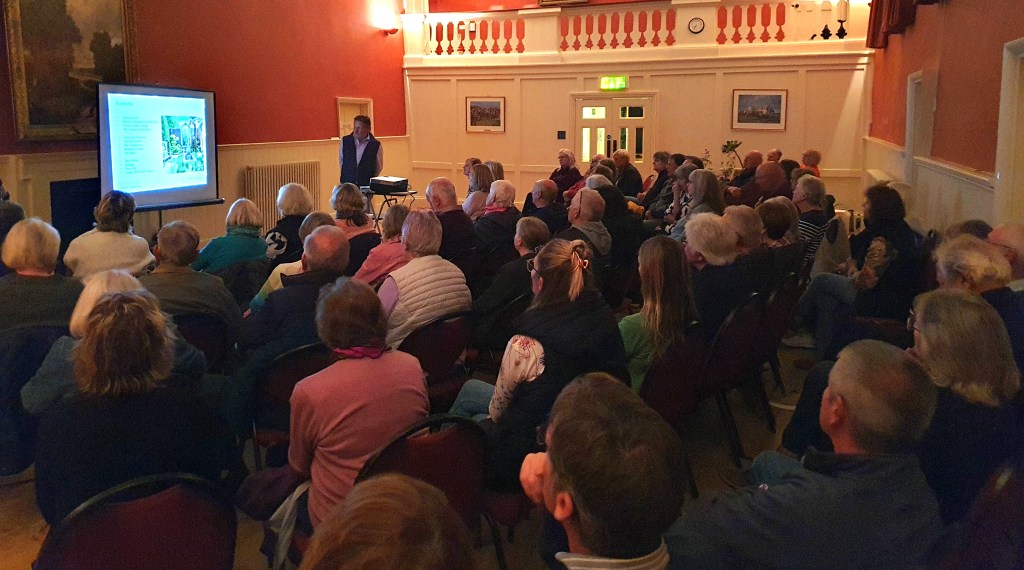
This year, it was a pleasure to be able to learn more about designing and building a show garden at Chelsea Flower Show from the designer of the Panathlon Joy Garden, Penelope Walker, and landscaper Mark Richardson of Stewart Landscape Construction.
They were able to take us through the year (or more) of planning the design and the landscaping a show garden requires, to the challenges of finding those perfect trees – and what to do when what you get doesn’t match up to expectations or requirements! Penelope gave us insights into how to make a garden accessible for people with different abilities and how to plant for biodiversity.
Our annual Zoom meeting welcomed Ben Pope, Head Gardener for the private garden of Grayshott Manor in West Sussex. He shared his knowledge of how to create and manage beds and borders filled with herbaceous perennials and gave us plenty of tips to apply in our own gardens.
We learnt how Tim Smit developed the Eden Project, turning it from an old china clay pit into one of the most visited tourist attractions in the UK, and the plants and flowers from this country and around the world that can be found beneath its famous domes. We gained insight into how the attraction has evolved over the years to continue to appeal to people, and about Tim’s other project; reclaiming the Lost Gardens of Heligan.
We welcomed the Ipswich Bonsai Society to give us an introduction to this fascinating hobby and artform. David brought some stunning miniature trees from his own collection and talked about how to turn a sapling found in the garden or hedge into your first bonsai tree. There were tips on care and plenty of questions from the audience.
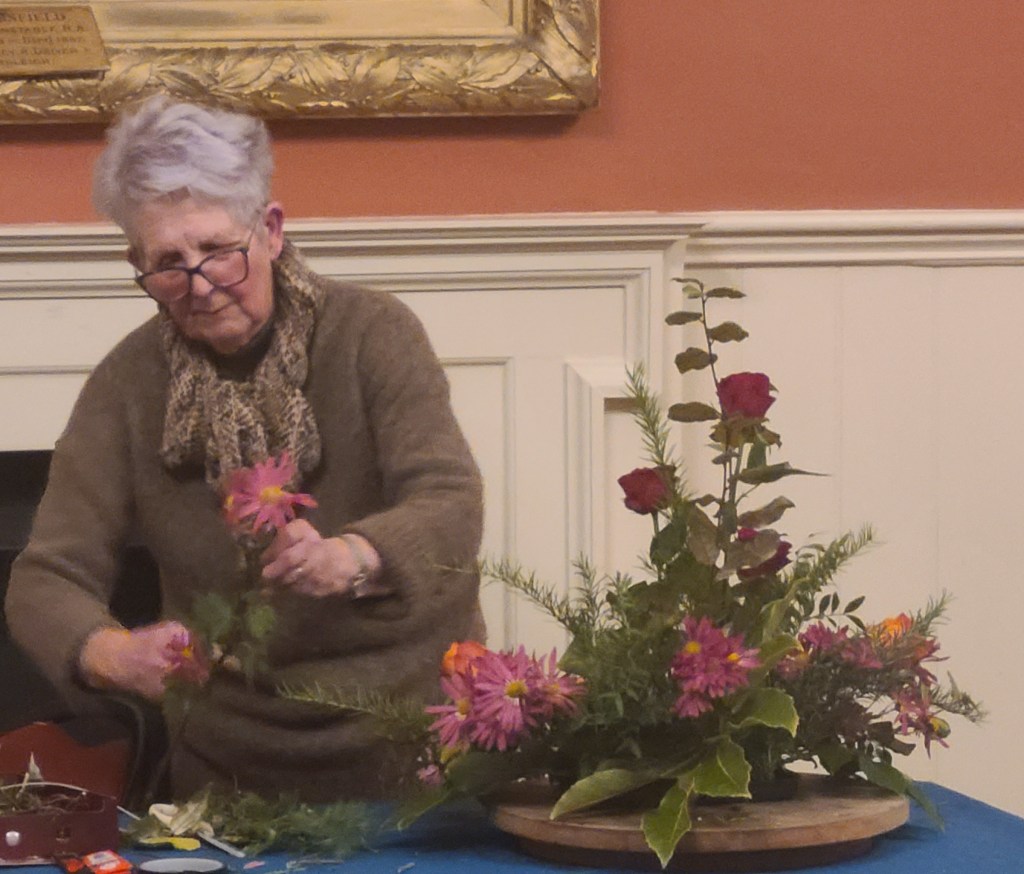
Brenda Eyes gave two excellent talks on flower arranging, providing demonstrations and letting us put the finished results into our raffle. There were plenty of extra tickets sold on those occasions! She gave us tips for how we could create our own arrangements and the different styles to think about.
If you know someone who gives a great talk on gardening (even just a slight connection to gardening), we’d love to hear from you (contact details on our website). We’d also love to know what might encourage you and others to come along. What kind of garden do you have? How do you use it? What kind of plants do you like?
If you have a general gardening question, why not email that to us too and we’ll try to dig up an answer based on local knowledge (you never know, it might be something the internet and AI hasn’t discovered yet). Maybe we’ll address your question in a future article in the Parish Magazine.
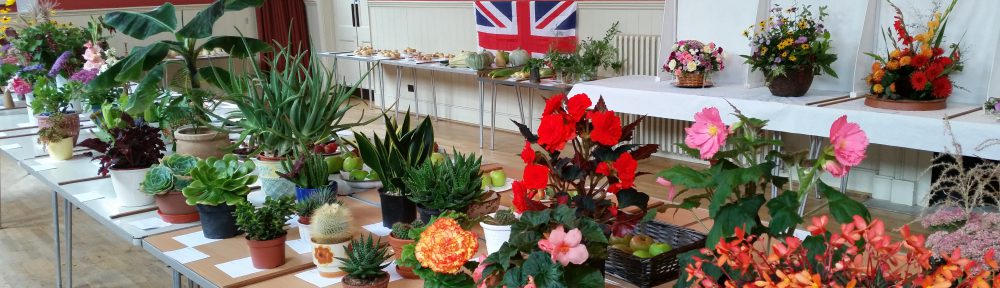
Although our seven speaker evenings took up a significant part of our annual programme, we also held two open shows when anyone can exhibit their homegrown produce and plants for free. It’s very much a village show and we’d encourage anyone who has a plant or two or a small veg patch to have a go. Maybe you’ve a knack for cookery or love taking photos – we have classes for that too. Every show welcomes some people who have never exhibited before and – although it can seem very formal – we’re happy to offer tips to anyone unsure what to do or what makes a good entry.
Our annual plant sale outside Dedham Church in May proved once again that everyone likes a bargain and we sold more than half our stock while we were still setting up! We had plenty of lovely donations from members and other people who had spare plants and vegetable seedlings, for which we are very grateful.
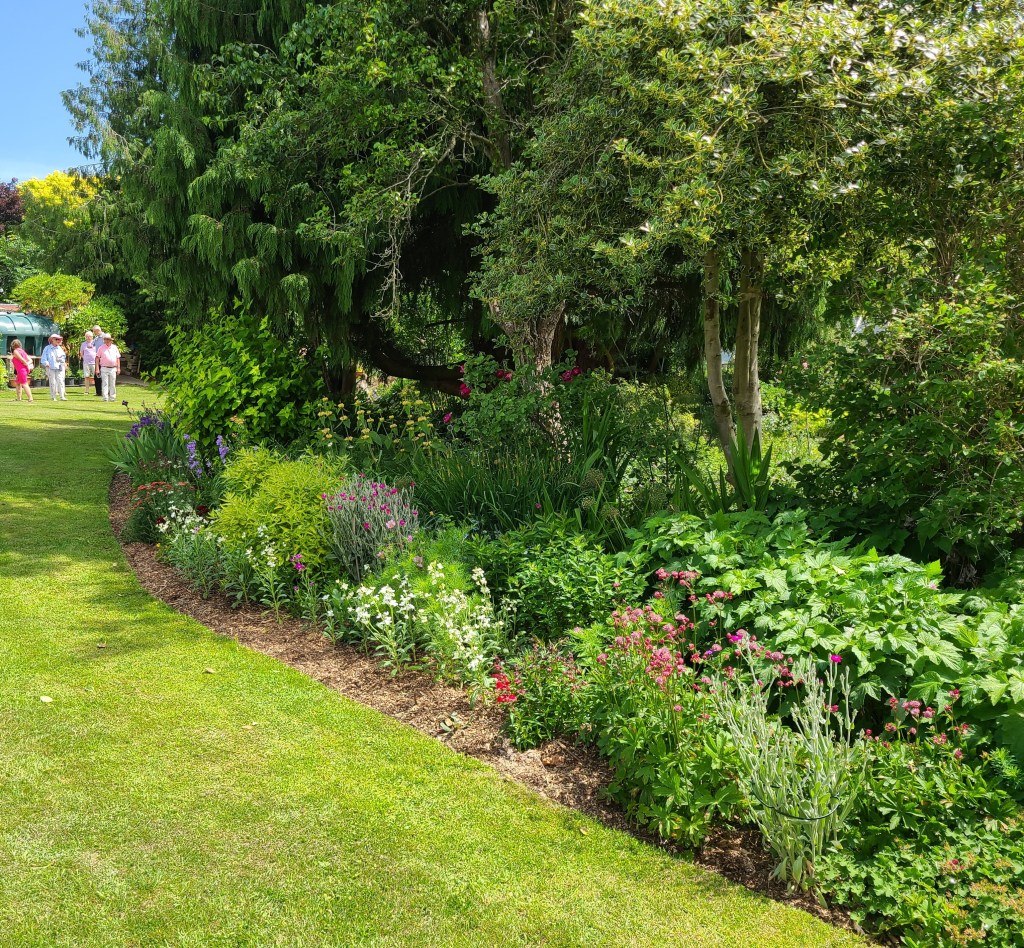
Soon after our final speaker evening in June, most of our members joined us for a relaxed morning of coffee, cake and plant talk in a local garden – the weather just about held after the rain and wind.
Our members also get first refusal of tickets to our annual Christmas Supper and Quiz, and our day trip by coach to a great garden attraction – both subsidised by the Society for its members. We went ‘all out’ for Christmas last year with lights, table decorations, music and silly hats for the committee, complementing the three-course curry supper and entertaining quiz – maybe we’ll drag a tree in for 2025 (maybe).
We work hard to put on such a varied programme of events that is enjoyed by so many Dedham residents and people from further afield. We’d welcome anyone new who’d like to come and learn a bit more about gardening and horticulture (even if you only have a balcony or the odd container or two). If you have a bit more time, we’re also looking for new committee members to ensure we can keep the programme going.
Let us know what you think or what you’d like to see by emailing us at dedhamgardening@gmail.com.
 Dedham Horticultural Society