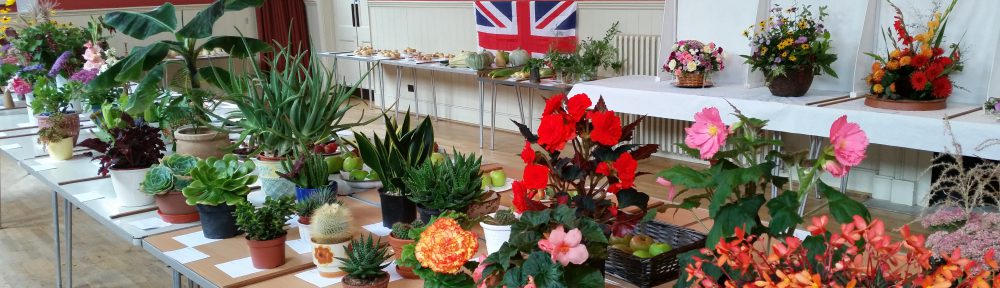
On Saturday, we once again organise Dedham’s Autumn Horticultural Show at the Assembly Rooms on the High Street and encourage everyone to have a go at exhibiting. We’re a friendly show and although it can seem quite intimidating, most people are showing things from their garden and not professional exhibitors!
If flowers aren’t your thing and you don’t have room for fruit and vegetables, why not have a go at a flower arrangement, search your snaps for something that fits our photography classes, or show off your cooking skills. If you aren’t sure what to enter in the flower sections, here are a few tips.
Every class is awarded a first, second and third prize and these are all added up to award trophies for the different sections on the day. This year we have a new trophy just for new exhibitors or people who haven’t entered any of our shows since April 2023. It’s always a thrill to get placed in a particular class and who knows, you might also go home with a trophy to keep until the following year.
You can find the schedule and entry form (get it in or just email us the class numbers you want to enter by 5pm Tuesday 2 September) here on our website. And of course, we hope to see many of you at the Assembly Rooms on the day.
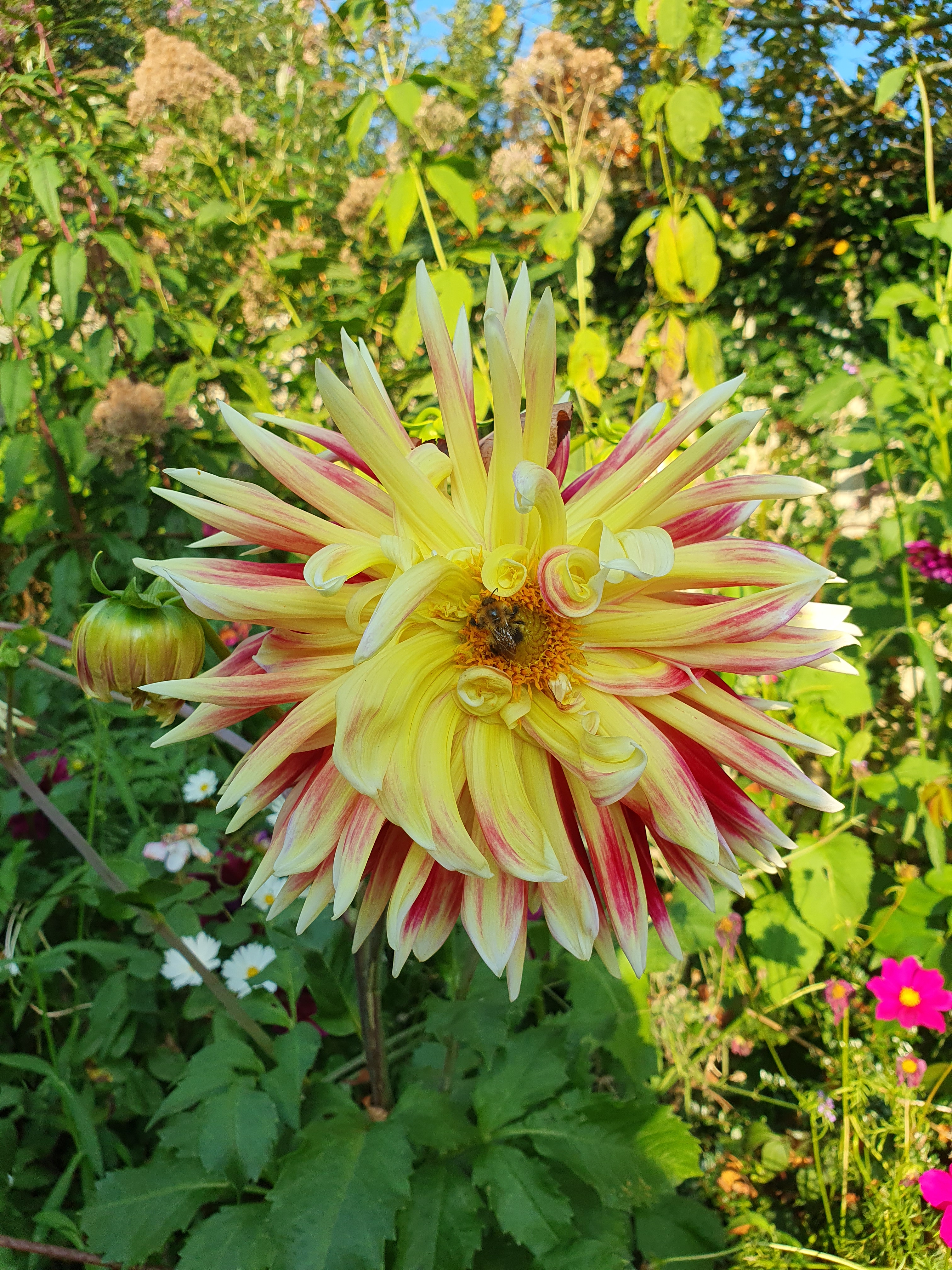
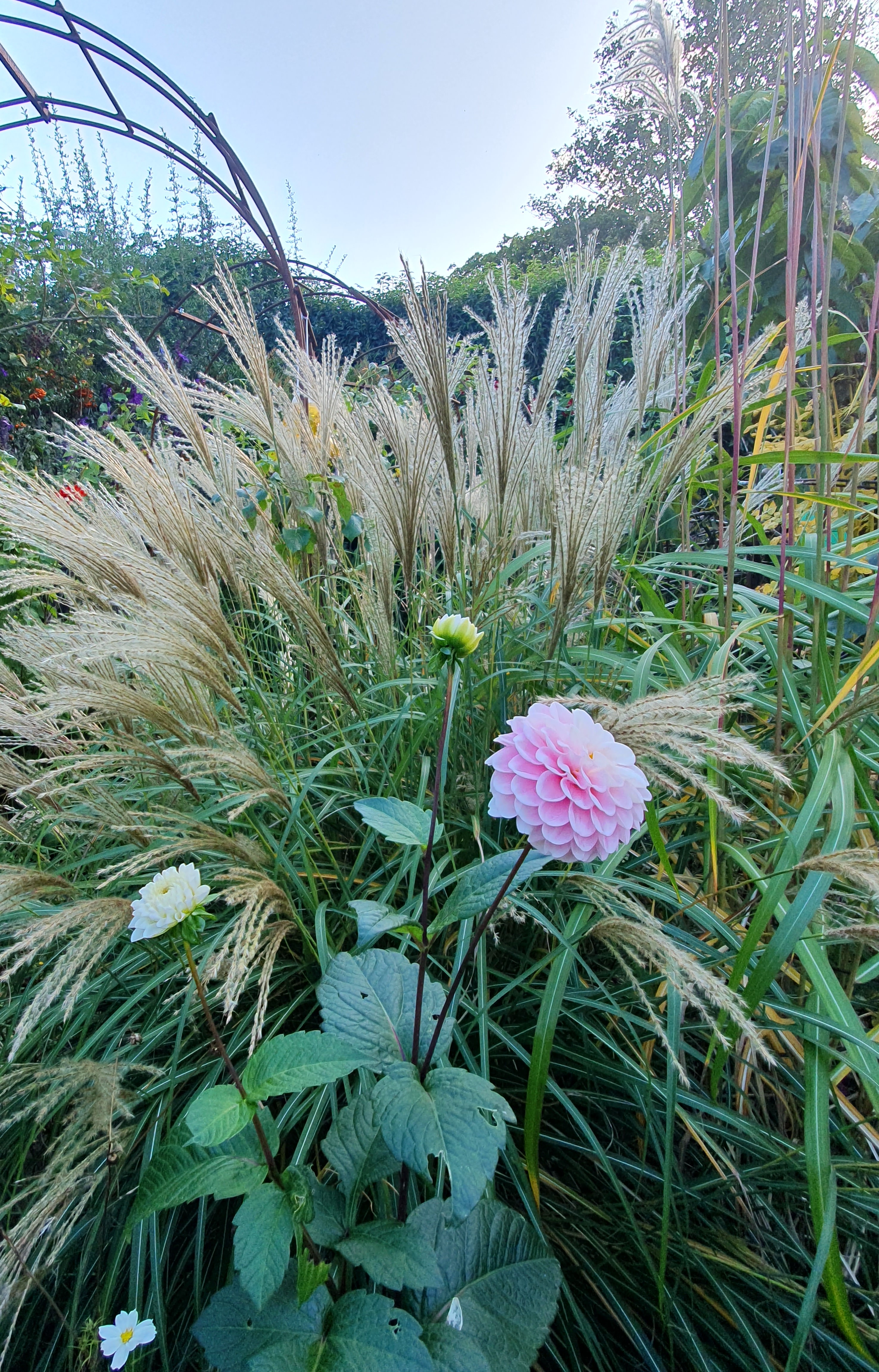
Let’s start with the five dahlia classes. The easiest classes here are Class 1 ‘one decorative-type bloom’ and Class 4 ‘two vases, 3 blooms in each, one or more varieties’. The hardest part of Class 1 is working out whether you have a decorative dahlia – especially if you’ve lost the label and can’t remember the name.
Generally, ‘decoratives’ have large, showy, fully double blooms with wide, flat petals which hide the yellow disc of stamens (where the pollen is) – search online and look at any of the garden suppliers for examples of what they look like. They’re rubbish for pollinators but look amazing in the border. It’s an easier class because you don’t have to make it identical to the others you exhibit.
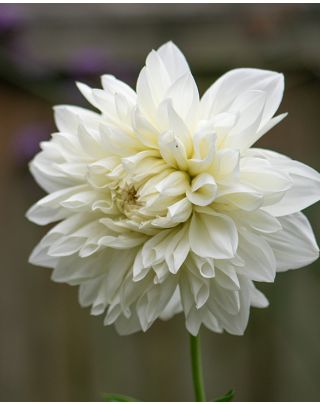
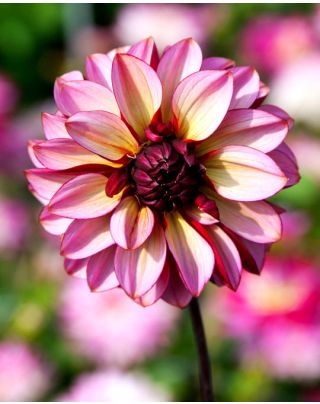
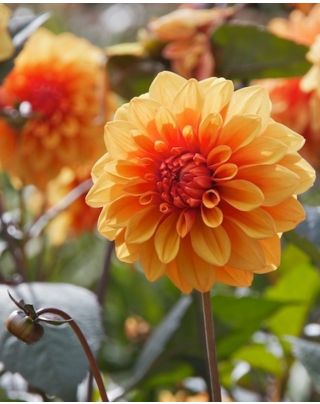
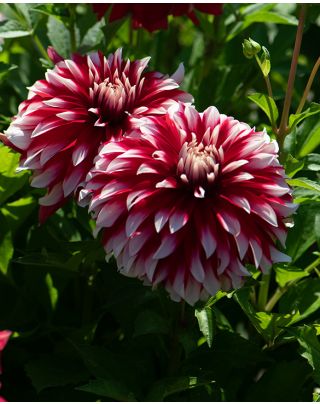
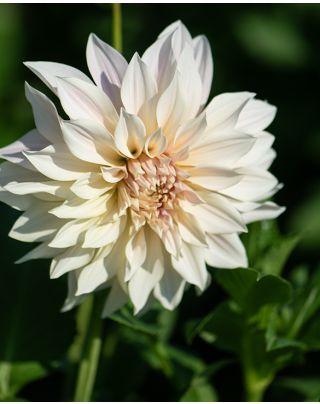
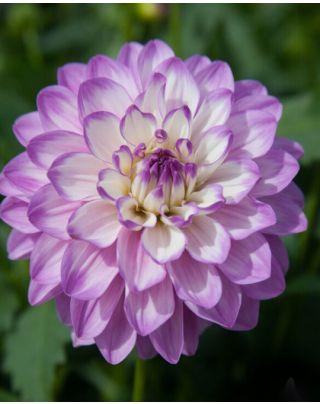
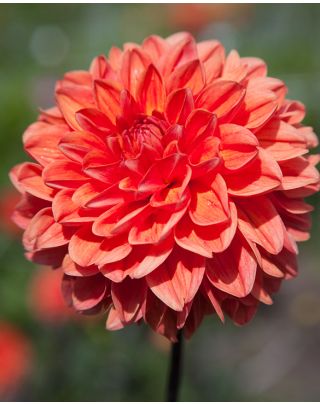
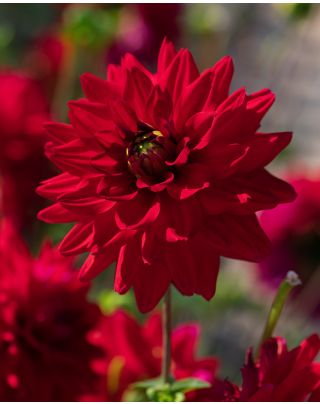
For Class 4, you just need six dahlias – they can be the same or entirely different – divided among two vases with three in each. Most exhibitors make the two vases identical, but you don’t have to in order to win.
Classes 10, 11 and 12 are also good ones to enter, if you have enough annuals (that die in winter), perennials (that lose their foliage in winter but will come back in spring) and shrubs. I find the perennials easiest as you only need one kind that is big enough to cut five stems – they don’t have to be identical, just make sure they look good – flowers should still be fresh (carefully snip off any that aren’t) and stems as straight as possible.
I sometimes find it hard to find three different kinds of annuals that are still in flower in September but some good examples at this time of the year include cosmos, sunflowers, zinnia, snapdragons, marigolds, bedding plants like petunias, and wildflowers of course.
If you’re better with houseplants, try classes 14 to 18 and bring your cacti or succulents, flowering pot plant (orchids anyone?) or foliage plants (indoor ferns and classics like a philodendron). If you’re not sure what it is, bring it along – we’ll help.
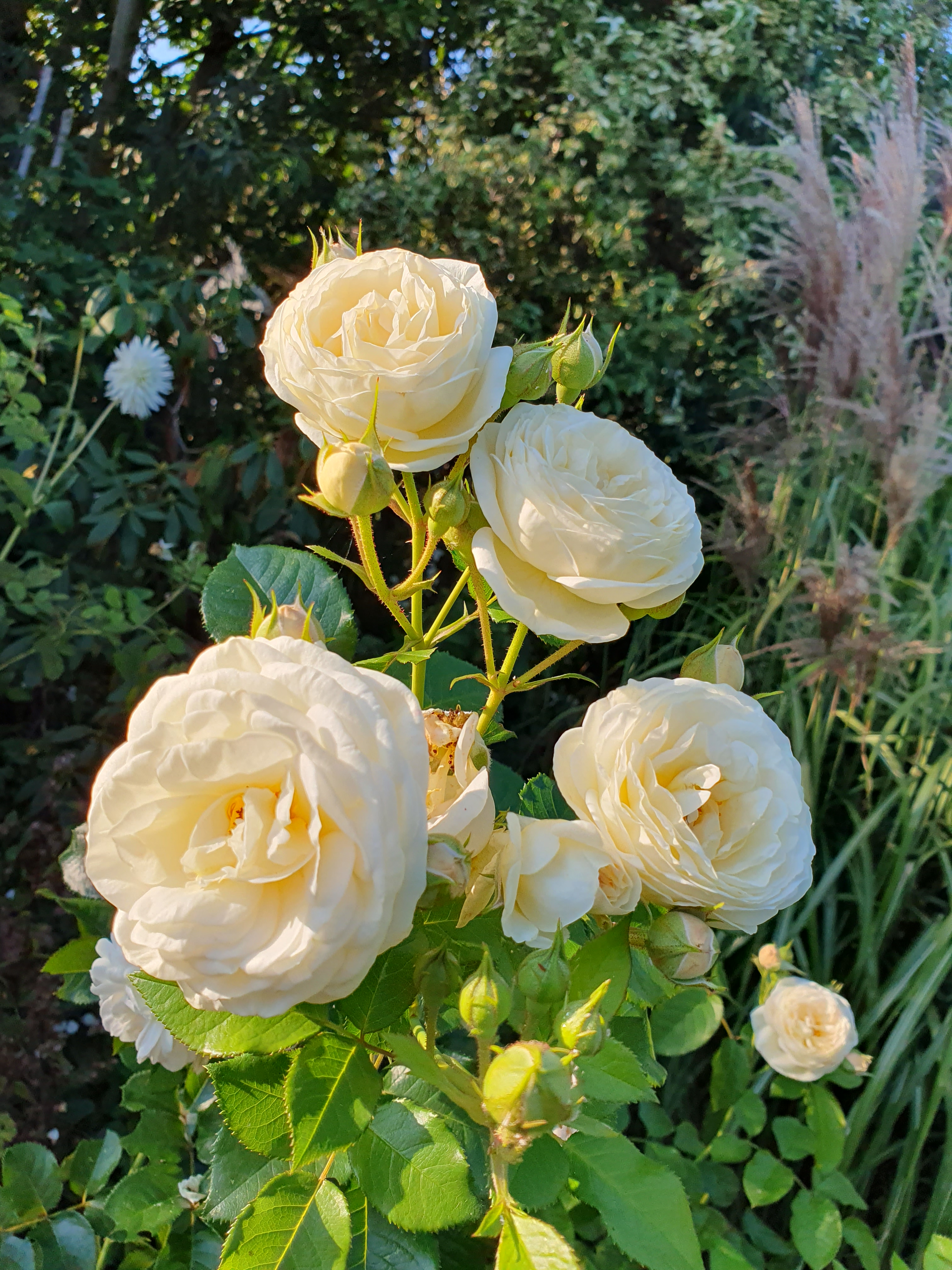
Many of us love a rose and you may have at least one in a container or the garden. A hybrid tea is the classic rosebud shape, usually with a single flower at the top of the stem. A floribunda is also called a cluster rose due to the several blooms clustered together – we typically think of them as having small flowers, but they can be larger. They tend to have little or no fragrance, so no good for Class 21.
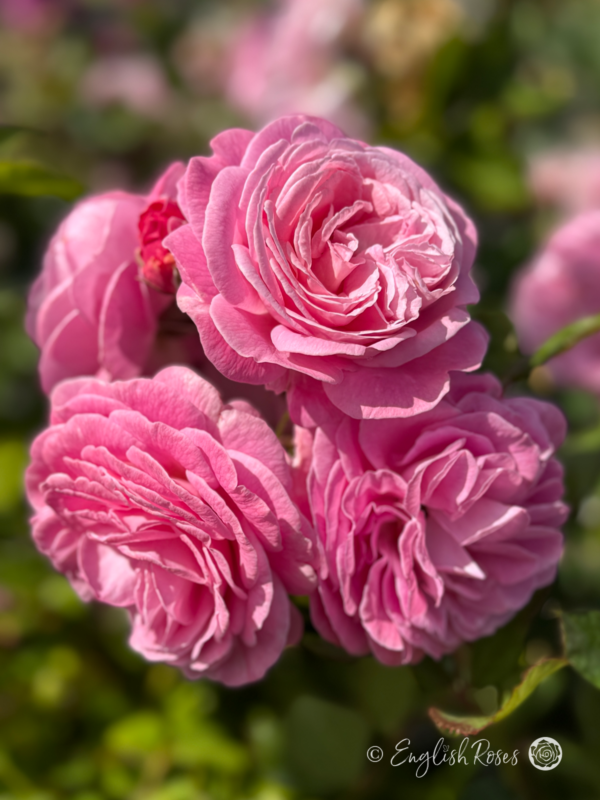
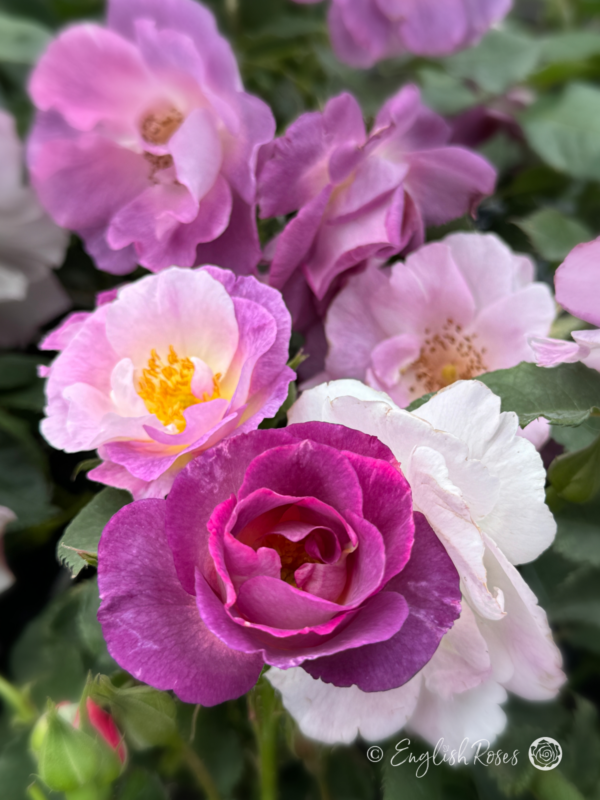
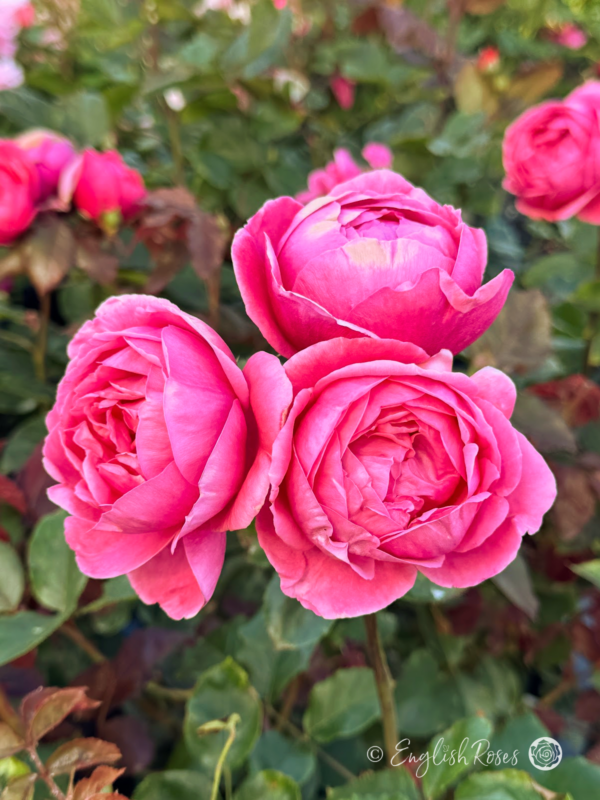
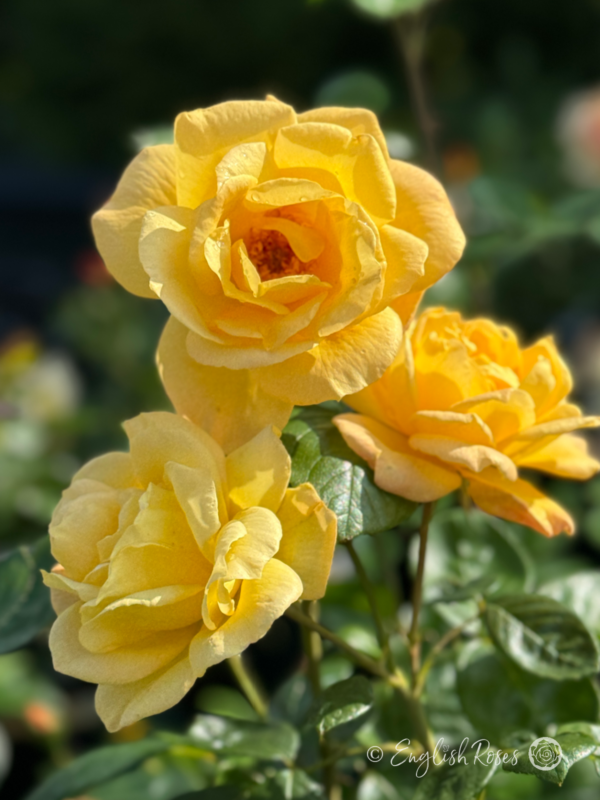
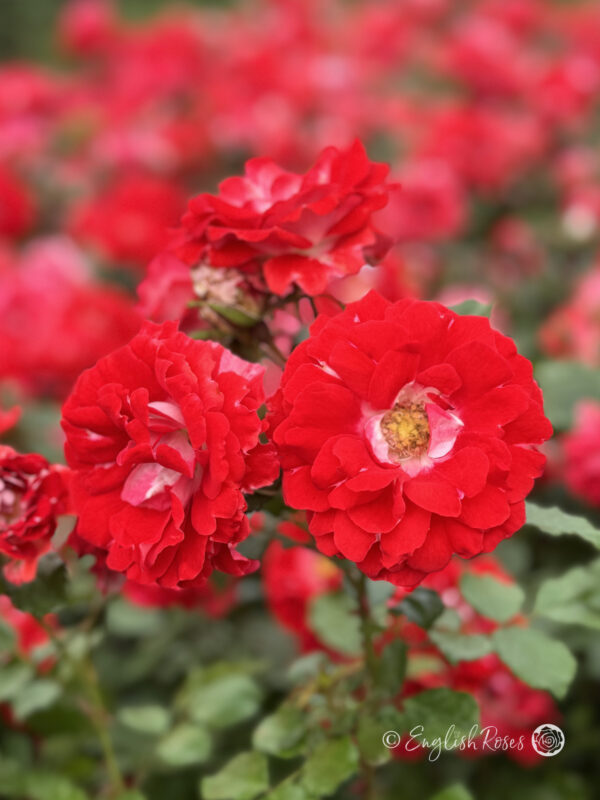
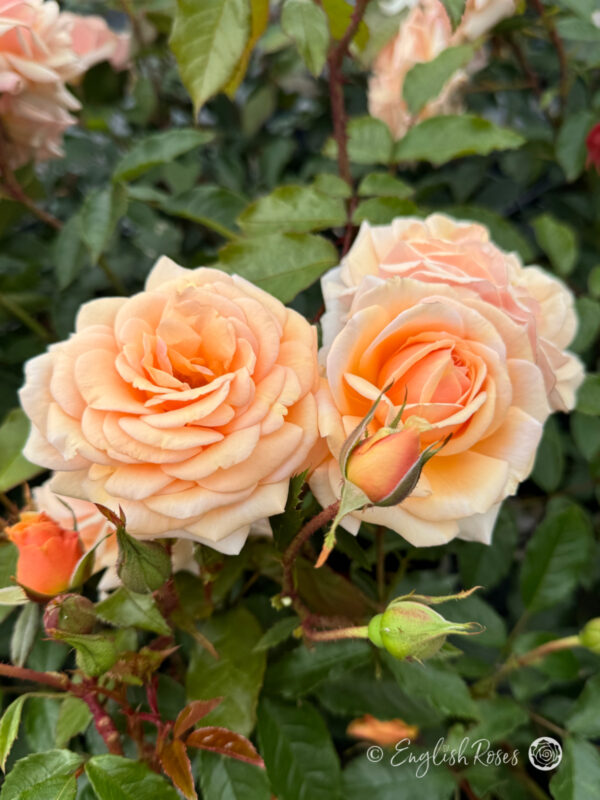
It can be hard to decide whether you have a shrub rose, but essentially if it looks like a shrub and doesn’t look like a hybrid tea or a floribunda – and it’s neither a climber or a rambler which shoot up metres-long stems – then it’s most likely a shrub, so chuck it into Class 23. Class 24 is also good if you have enough roses – your vase of five can be any type – hybrid tea, bush, shrub or floribunda. They don’t have to match, just create a display that will impress!
The rose section is hotly contested, but the display always looks (and smells) amazing.
If you’re nervous about exhibiting or aren’t sure which class, do get in touch by emailing us (dedhamgardening@gmail.com) and perhaps we can help. If you need some help on the day, please ask – we may look like we’re rushing around without a minute to spare but we’re always happy to pause and offer some advice.
 Dedham Horticultural Society