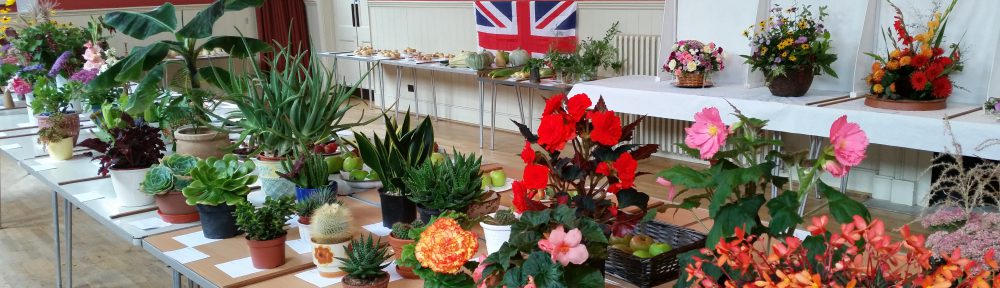
It certainly feels like autumn now with morning temperatures dipping into single figures, September’s equinox behind us and evenings shortening as we prepare to turn the clocks back at the end of this month.
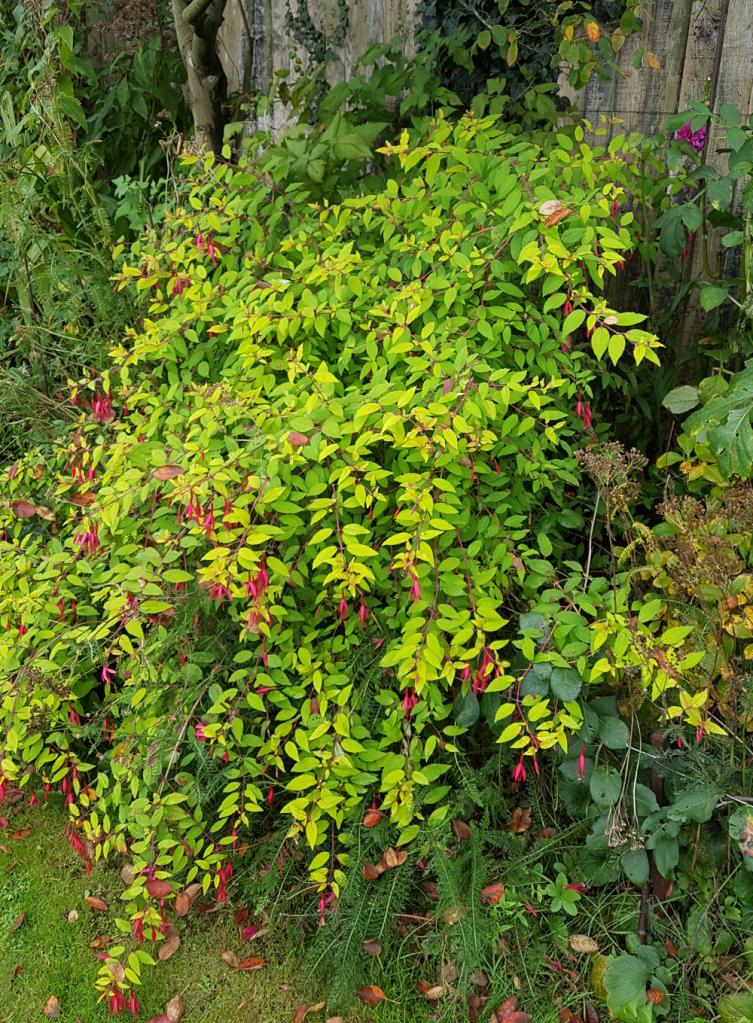
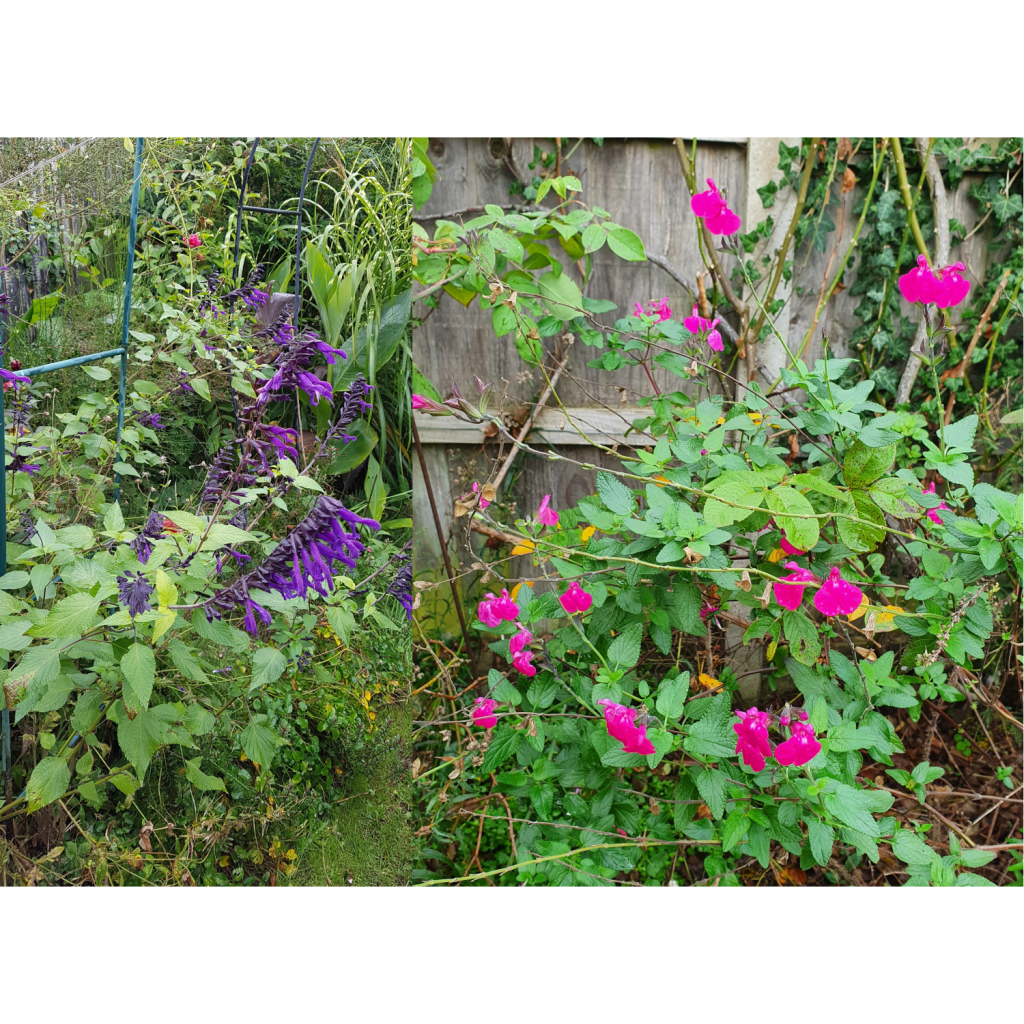
In the garden, I’ve still got a few roses blooming but they’ll fade before the middle of the month, and the foliage of Fuchsia magellanica var. gracilis ‘Aurea’ is a brilliant golden splash in the border with its small flowers like little red jewels. There are the flat, deep pink heads of sedum (now called the almost unpronounceable hylotelephium) attracting my bees and other pollinators, plus salvias – the deep purple and black ‘Amistad’ and the brilliant pink ‘Cerro Potosi’ – cosmos, chrysanthemums and asters all doing their best before winter settles in.
Dedham’s Horticultural Society also began its new season last month with our Autumn Show which was another great success. We welcomed several people exhibiting for the first time (we hope you all enjoyed the experience and that we might see you again) – and what seemed like more visitors on a sunny day in the village.
Autumn brings an opportunity to think ahead for our Spring Show (21 March) by ordering bulbs for classes from daffodils and tulips to hyacinths and more. If you’re puzzled by the different classes, search ‘daffodil’ on our website for some help.
It’s not all sitting about shopping of course, there’s still plenty to do in the garden as the soil is warm and workable (even if the days are shorter and – knowing Britain – probably wetter too). October is all about tidying up and preparation, protection and planting for the year (and years) to come.
Here in my gardening, I’m cutting down most of my herbaceous perennials as the foliage dies back, though I leave some of the sturdier seedheads that might provide food for birds or shelter for over-wintering beneficial insects, like pollinating bees or the ladybirds and lacewings that eat aphids.
I’ve enjoyed growing strawflowers from seed for the first time this year and I’ll take some of the seeds from this year’s flowers to sow in spring. However, it’s possible to sow hardy annual seeds – cornflowers, larkspur, Ammi umbellifers and some poppies – at this time of year as most will make it through winter and actually welcome a period of cold to germinate. You can sow them outdoors where they are to flower or in pots and trays and keep them in a sheltered spot.
As I go through the beds and borders, I’m also checking to see if any of my summer perennials can be divided and planted elsewhere in the garden or used to bulk up existing displays. This works well with daylilies, hostas and geraniums and has the added benefit of making the original plant healthier. Just make sure to replant the divisions as soon as you can and water them in well.
I’ll protect tender plants by moving my pelargoniums into a frost-free space. Last year I tried removing them from the soil and storing them ‘bare root’ but I think the frost still got to them as none made it through, so this year I’ll leave them potted up as they enter dormancy. I also decide which of my dahlias to lift and store over winter. Frost and continually wet soil (clay is the worst) can turn the tubers to mush so I usually lift my favourites. I cut down the stems, wash off as much soil as possible and let them dry thoroughly before storing them in cardboard boxes with crumpled newspaper. Sometimes I give them a dust with sulphur powder which helps keep them dry and prevent fungal infections and mould.
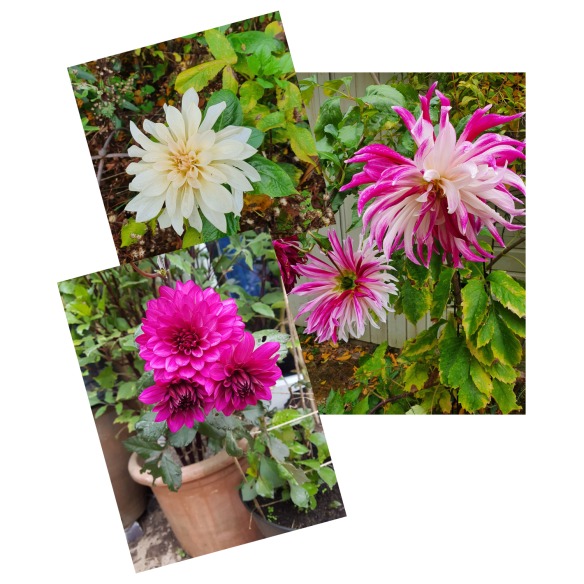
If you don’t want to lift your dahlias, you can leave them in the ground. If it’s free-draining and not in a frost pocket, you can give them a helping hand by dumping a bucket of compost on top of them which can prevent frost from reaching the tubers. I leave some of the dahlias that I grow at my allotment in the ground – the fertile soil is very free-draining and most have made it through several winters.
Finally, I’ll turn the compost heaps (there’s three in the garden and four on the allotment, but my sister loves helping with the latter). I add anything I’ve cut back and add some water if the mix is too dry, before turning older green and brown material to aerate the heaps and speed up decomposition. Some of the older compost is now ready to use so I’ve been using it as mulch on the borders where it will suppress weeds and help insulate plants from the worst of winter.
So make some time this month to get outside and burn a few calories in your garden everyone. Enjoy!
 Dedham Horticultural Society