
The days are shorter now and things are quieter in the garden in November. There are still a few things flowering, including deep purple Aster ageratoides ‘Ezo Murasaki’, which is a good height and – unlike some asters I’ve found – has good looking foliage that gives the plants a nice bushy look. The dahlias are done and I’ll dig up my favourites to store this month, but they’ve been replaced by a wonderful, yet nameless, small-flowered pink chrysanthemum which is very hardy and bulks up each year.
If you ordered some spring-flowering bulbs, they’ll probably have arrived by now and November is a good time to get them in the soil. Daffodils will have been happy going into the ground in October, but it’s better to wait until November if you’re planting tulips. The colder weather and soil will reduce the chance of the plants being damaged by tulip fire which twists, withers and distorts leaves. Make sure the soil is free draining (add some grit if you have heavier soil or clay) and plant bulbs deeply – about three times their height – which will protect them from hard ground frosts and encourage taller, stronger stems.
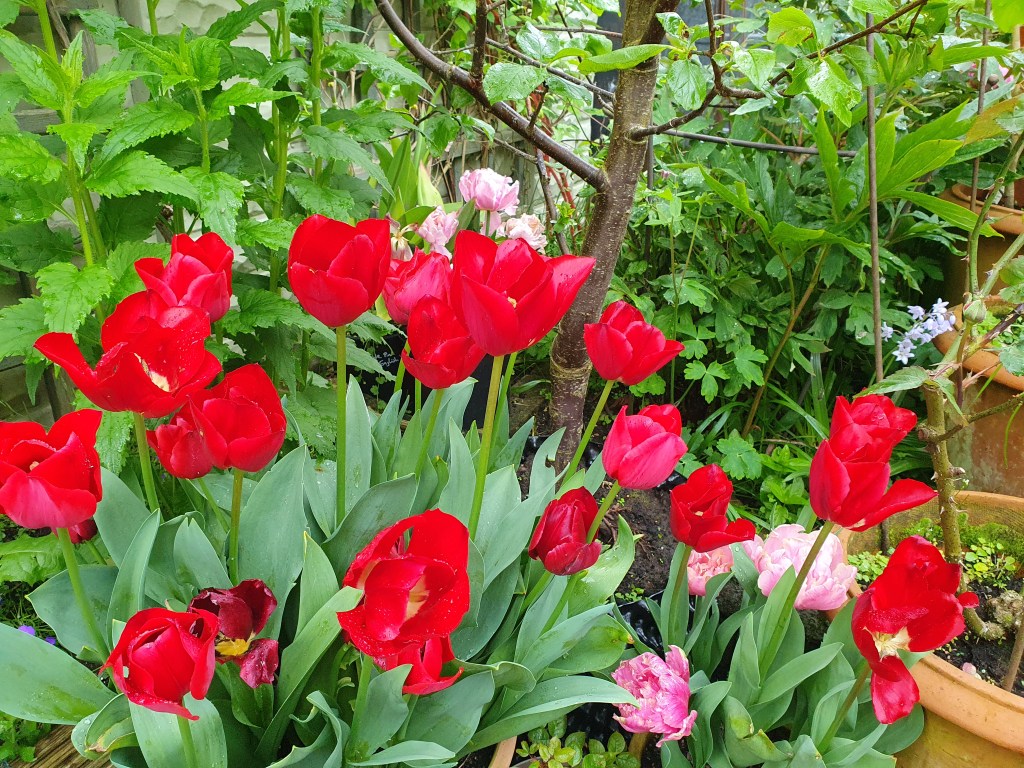
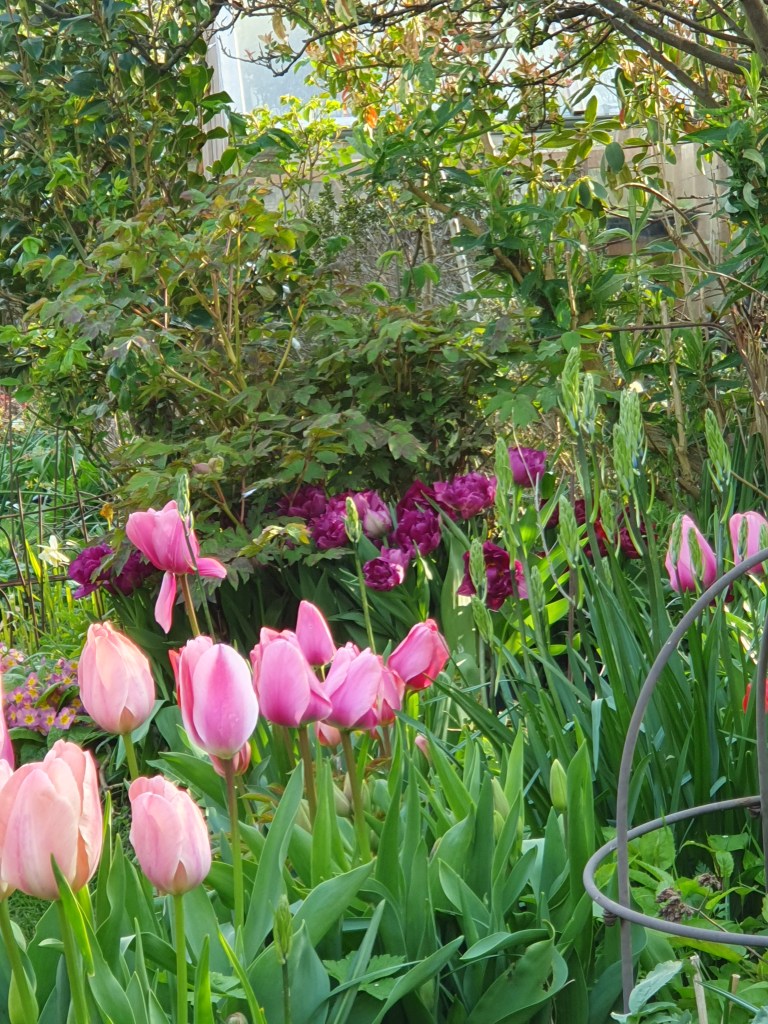
I like to wait until November so that I can put bulbs into the gaps left when I lift my dahlias. Then when the bulbs have finished around May, I’ll pop the dahlias tubers back in.
As well as lifting dahlias and planting bulbs, of course there are a few other jobs to get done this month.
November is the start of bare-root season when dormant shrubs can be bought more cheaply and you can find a wider range of fruit and ornamental trees, native hedging and roses. Because the top of the rose isn’t growing, the plant can put all its energy into establishing its roots in soil that retains a little bit of warmth, so it has a firmer foundation for strong growth in spring.
Without pots of soil to sit in, bare-root plants may look unimpressive when they arrive; but let them soak in a bucket of water for a couple of hours while you dig a hole big enough for the roots spread out. Make a small mound of soil in the centre for the roots of the plant to sit on then carefully backfill and firm in well.
Prepare your existing roses for winter by giving them a light prune (take off about a third) to prevent damage caused to roots by heavy winds rocking them in the soil. If the plant is too tall, the roots can be loosened and damaged or killed. Also prune late-flowering shrubs like buddleja to reduce their height before the worst of the weather hits.
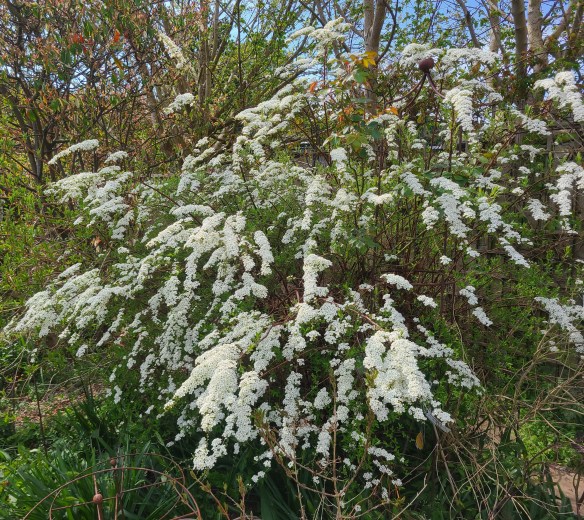
However, be careful not to prune spring-flowering (before June) shrubs like spiraea or deutzia which will produce next year’s flowers on the new growth they put on this year.
If you want more evergreen shrubs – holly and bay trees, cotoneaster, privet and box hedging for instance – this is still a good time to take hardwood cuttings. Choose healthy shoots of this year’s growth and cut into sections 15-30cm long. Use a sloping cut just above a bud at the top and a straight cut at the bottom, just below a bud.
Strip most of the leaves except a set at the very top. Dip the bottom into some hormone rooting powder and insert about two-thirds of the cutting into free-draining compost. I put them in pots so I can put them out of the way and mostly forget about them. Check occasionally to ensure they don’t dry out. You should see some new growth as we head into spring, but they usually aren’t ready to pot on until summer.
After that, there’s only one other job I really have to do – and that’s pick a real Christmas tree for collection and decorating in December.
Happy gardening!
 Dedham Horticultural Society