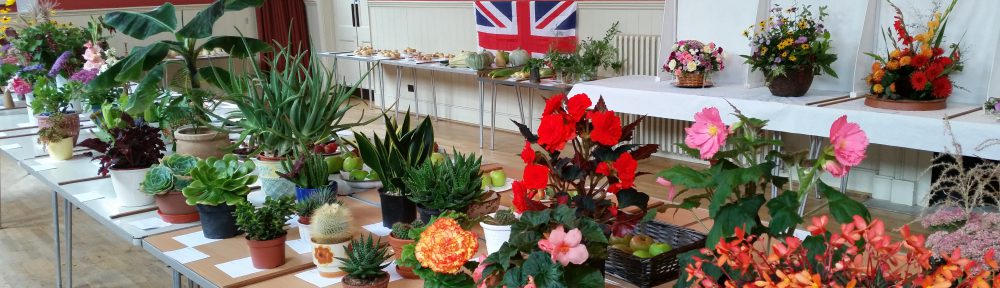
February is a transitional month in the garden – still very much winter, but full of signs that spring is approaching as the days get longer and the soil slowly starts to warm again.
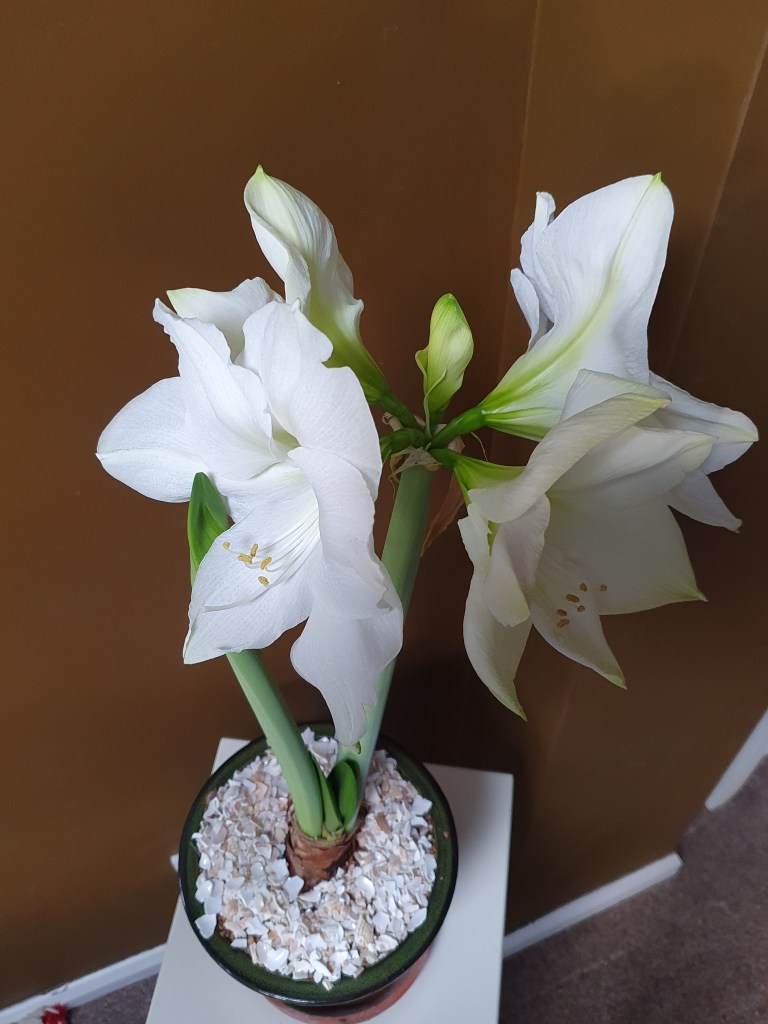
Look around the garden and you’ll find snowdrops, crocus, winter aconites and camellias bringing the first real colour of the year (green doesn’t count). I’m cutting back the leaves of my hellebores to remove signs of black spot and display the flowers to their best advantage. Elsewhere, daffodils are coming into flower, seeming to bloom earlier than ever – one of our members had a daff in full flower on Christmas Day! – while indoors, I’ve amaryllis (left) and forced hyacinths cheering the place up.
If vegetables are your thing, you might still be harvesting the winter cabbages, sprouts, leeks and parsnips that you didn’t eat over Christmas. However, generally February is a great time to shake off the last of the winter lull and begin preparing your garden for the growing year to come.
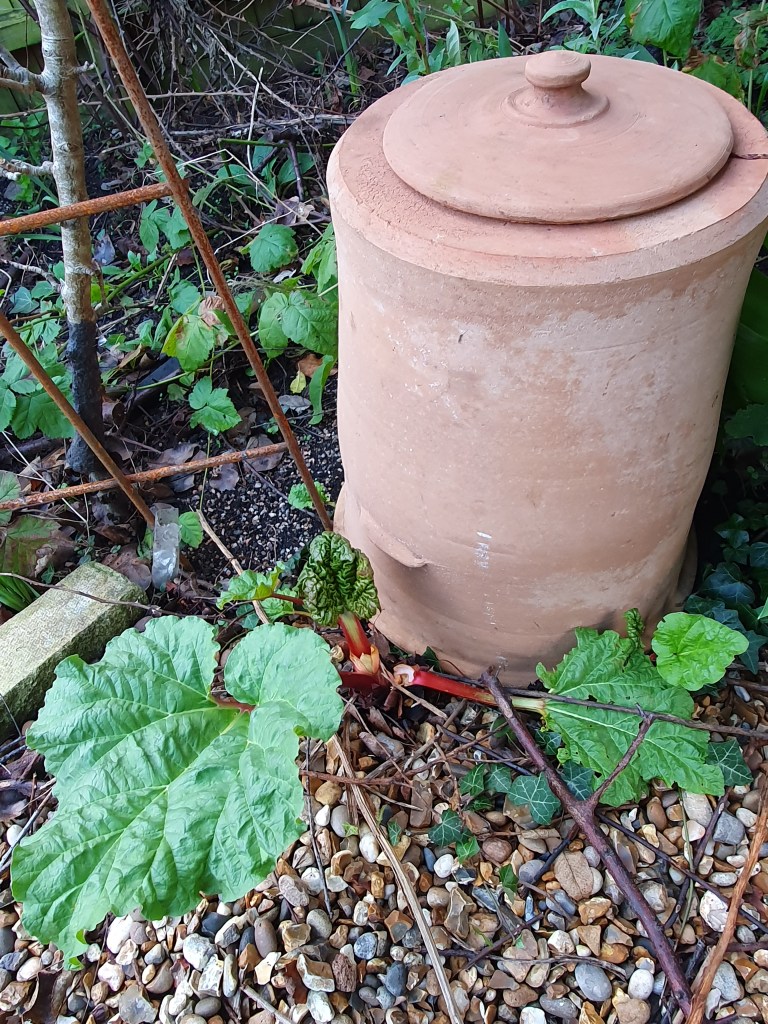
Traditional cottage gardens would mix ornamental plants (grown for flowers or foliage, rather than to eat) with edibles, and rhubarb can look wonderfully architectural among your flowers. It can also be grown in a large pot – just divide it and share it with friends when it gets too big. If you haven’t already done it, early in the month is really your last opportunity to cover the plant with a bucket or forcer (right) to exclude light and grow stems that are a lovely tender and juicy pink. Yum!
There are several seeds worth sowing under cover this month – I have some windowsill propagators that are ideal for starting off my tomatoes – as well as some that can be sown in a tray and left in a sheltered area outside. The latter will usually be hardy annuals, biennials like foxgloves, or perennial seeds which may not germinate unless they think they’ve suffered through a winter season before the rise in temperature encourages them to sprout.
There’s quite a bit of pruning you can do towards the end of the month. I’ve talked about roses in a previous article, but you can also cut back some clematis varieties (the Group 3s) in February. I’ve several in rich jewel tones like ‘Gravetye Beauty’, ‘Rooguchi’, ‘Madame Julia Correvon’ and ‘Niobe’. All flower later in the summer and benefit from being pruned to a pair of healthy buds 20-30cm from the base of the plant.
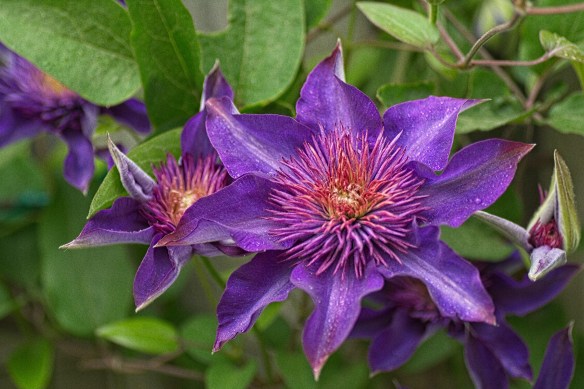
I love them for their different shapes and wide range of colours. Well chosen, you can have a clematis of one form or another in flower throughout the year, but they can take a while to establish. If you’re fond of a rhyme (and who isn’t), there are a couple to help, with the first being especially apt right now: ‘if they flower before June, don’t prune’.
The second gives you some reassurance if you think the plant you put in last year has turned up its toes: “the first year they sleep, the second year they creep, and the third year they leap”. Just give them some feed, try to keep the roots cool in the heat of summer, and don’t accidentally dig them up, and they’ll eventually do you proud.
As part of the plan to rejuvenate one of my borders, I’ll also cut back my deciduous ornamental grasses, the two-metre tall Miscanthus sinensis ‘Malepartus’ which have grown into significant clumps over the last decade. I’m going to divide them and discard any sections that are no longer performing well before replant some of the pieces in other places around the garden. They are great for creating informal screening and creating surprise and interest.
If you have just a balcony, patio or small courtyard, plant lily bulbs now for stunning scented blooms in the summer. If you’re pots and containers have been planted for a while, remember that the soil may have run out of nutrients by now and will need more to grow will in the season to come. You don’t always have to repot them; instead, you can ‘top dress’ which just means replacing the first two inches of compost with fresh and adding a sprinkling of slow-release fertiliser.
Start warming up for spring with a bit of time among your pots and borders this month. It’ll be worth it – I promise!
 Dedham Horticultural Society