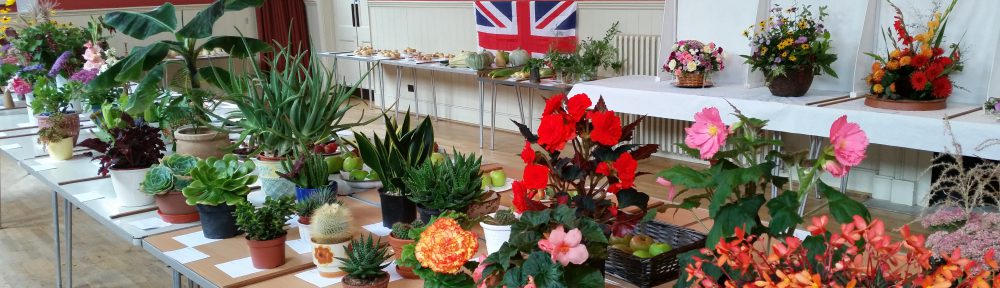
April can be a busy month in the garden. We’re halfway through spring now, the garden has woken up, and everything seems to be waiting to burst into the peak of its beauty.
The greenhouse is getting full now and I’ll need to get small plants out of it as soon as I can to make room for the melons, cucumbers and dahlias that need a few more weeks under cover.
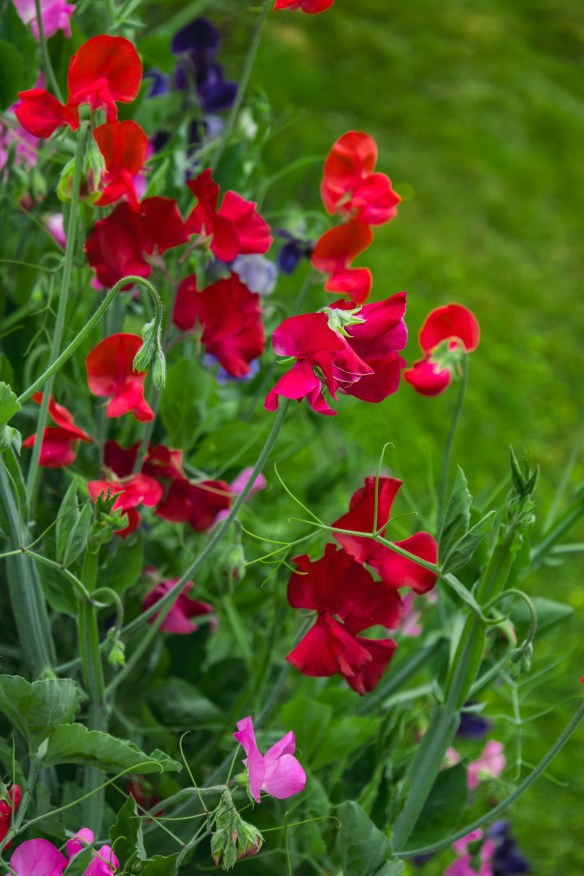
This means hardening off the sweet peas that are now several inches tall. I’ll gradually introduce them to outdoor conditions over a week or so by putting them outside in a sheltered spot by day but put them back under cover for the night. After a week of such treatment, I can plant them into the border, gently tying them to a tall support to scramble up.
Over the Easter weekend I’ll give the lawn a light mow (weather permitting) with the blades set high and apply a high nitrogen spring feed to promote strong growth and help the lawn recover after the winter. The warmer weather means I can also reseed any areas that need it. If it doesn’t rain within 48 hours of doing both, I’ll need to get the sprinkler out.
If you grow potatoes, Easter is also traditionally the time to plant them out as the risk of frost has lessened and the soil is warming. However, with the holiday falling so early this year, it might be best to hang on a couple of weeks.
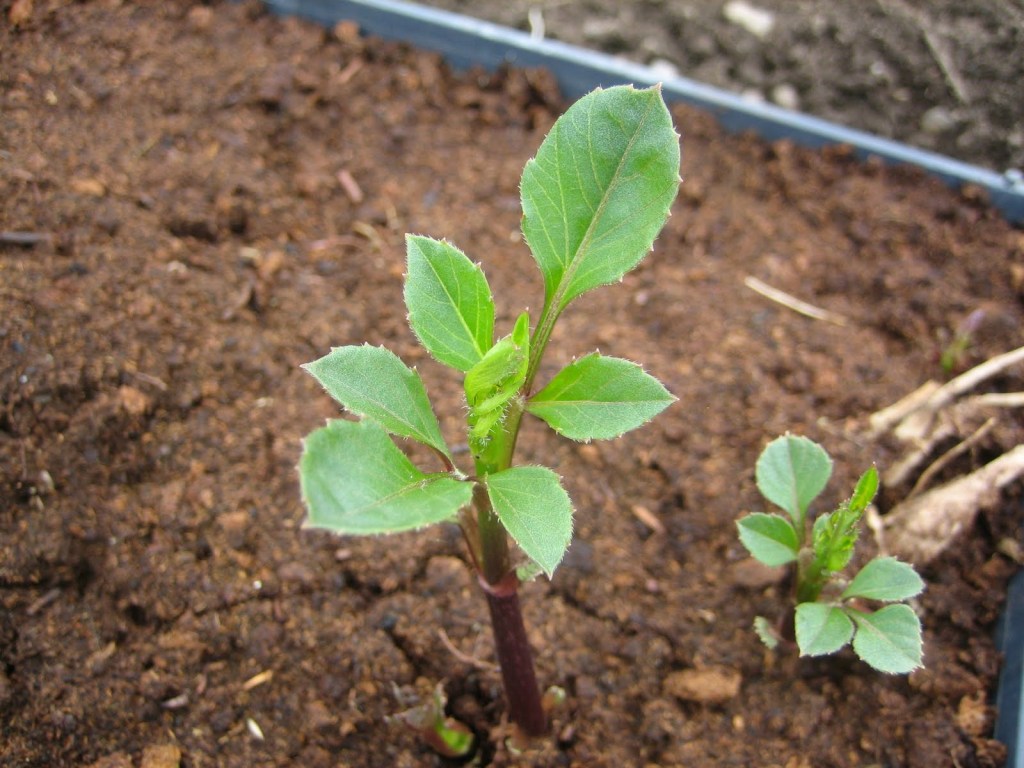
Last month, I started my dahlias into growth by potting them up, just covering the tubers with compost and giving them a quick water. Then I put them in a frost-free place with plenty of light: an unheated greenhouse or cold frame works well but have some horticultural fleece ready in case of a cold snap.
Now that it’s April, lots of my dahlias have put up shoots and you can take cuttings to bulk up your stock. Wait until the shoot is 7-8cm long and push the compost aside so you can see where the stem of the shoot meets the tuber. Then take a sharp knife and cut into the tuber – just under the stem – to separate the shoot from the mother plant. It’s important to take a bit of the tuber with the stem.
Cut away the lower leaves of the stem and if they are large, cut the top leaves in half. Pinch out the very tender tip too, all of which will help reduce moisture loss. Put the cuttings around the edge of a pot and gently firm them in. Give them some water and they should root within 2-4 weeks – a propagator or a plastic bag over the top will help stop them drying out. When you see fresh leaf growth or roots from the bottom of the pot, you know you’ve been successful.
Dahlias can go outside and into beds and borders when all possibility of frost has gone but you can also grow them in pots. If you give them a go, don’t forget to enter our Autumn Show!
Provided shrubs like forsythia, flowering quince and flowering currant have finished doing their thing, I can give these a prune to shape the plant. This will also prompt fresh growth that will carry the flowers next spring.
Finally, I’ll start putting a range of supports into beds: peonies will need their cages that prevent the weight of their big, blousy flowers from bending or snapping stems. My tomato plants should be ready to go into the growbags that will hold them all summer and, like them, tall-stemmed delphiniums and lilies will need tying to canes.
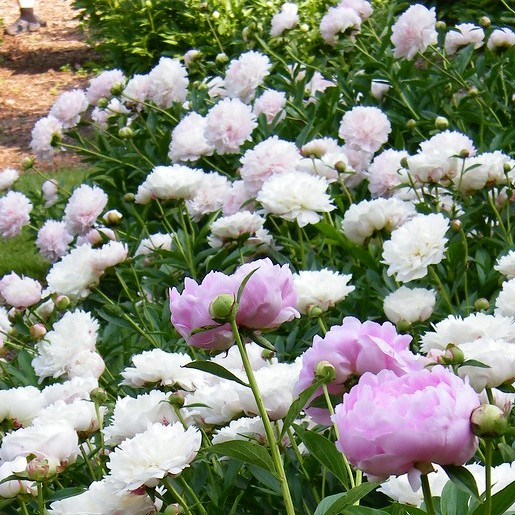
Although there’s plenty to do this month, don’t forget to take a walk around the garden to do some casual deadheading of any spring bulbs that are now going over and to admire everything else that’s happening. From budding plants to the remaining daffodils, tulips and blossom, there’s plenty to enjoy this time of year.
 Dedham Horticultural Society