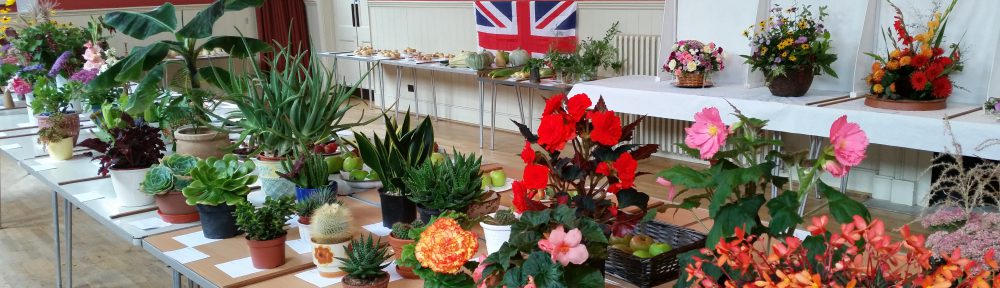
Thank you to everyone who took part in the Horticultural Society’s first show since Covid and to everyone who came along to support it. Our autumn and spring shows are incredibly important to maintaining the Society and are a key event in the village calendar.
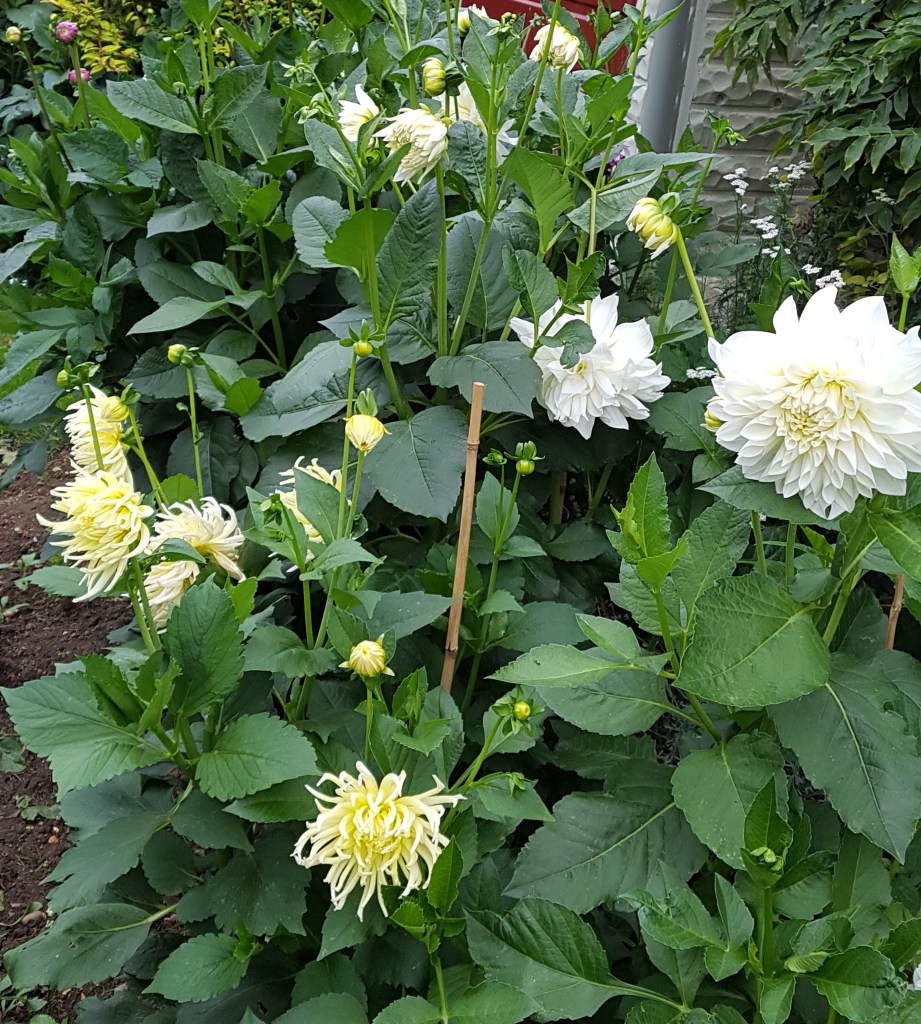
We had hundreds of entries from flowers to fruit and vegetables, cookery from bakes to jams and pickle, and beautiful flower arrangements. The autumn show focuses on dahlia classes (in spring it’s narcissus) and there were some colourful – sometimes bench-breaking – exhibits. Dahlia classes can look daunting but we put an explanatory chart on our website and if you’ve never grown them, they add vibrant and welcome colour to the border from late August right up to the first frosts. We missed some of our regular exhibitors and enthusiastic dahlia growers, but were pleased that Carolyn Clayton won trophies for flowers AND fruit this year.
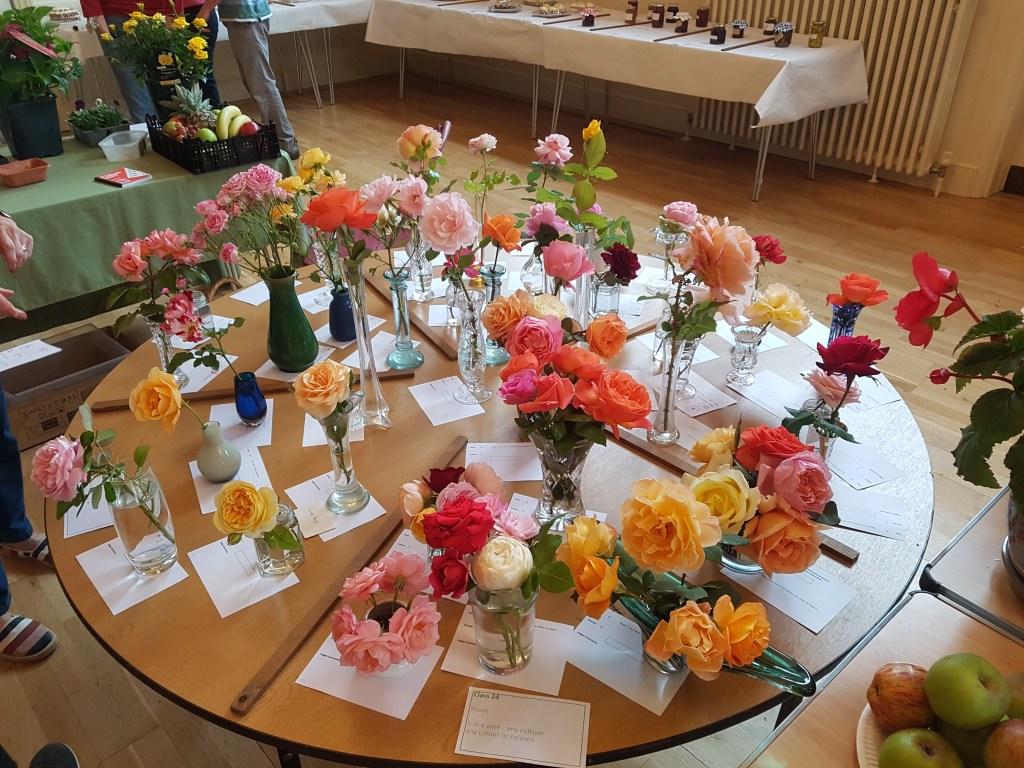
Our five roses classes are always popular and the sight and scent of hybrid tea, floribunda and shrub roses amassed on the bench is incredible. Arguably the most popular classes in our autumn show, Jo Wilson walked away with the trophy this year.
It’s not all about the plants of course. As well as fruits from apples to blackberries and a bunch more besides, people brought a wealth of vegetables to the show benches this year. We had the longest bean and the heaviest pumpkin, tomatoes and potatoes, squashes of some very unusual shapes and more. And with entries in nearly every class, Hugh Richards took away the hotly contested cup.
Miniature and full size flower arrangements are also a mainstay of our shows and given the time of year, brightened up the show. Committee Secretary Elizabeth Ellis won the trophy for the section, while Avril Biggins was awarded best floral art exhibit.
We also like to encourage people’s baking and photography skills. I’ve discovered the complexity of keeping a sourdough starter alive AND making an edible loaf with it is beyond me, and I enjoyed (but lost) a private family bakeoff in the cupcakes class and had a go at making onion marmalade for the first time. This is the essence of our shows – have a go, you may surprise yourself!
Well done to Maureen Floyd who won the cookery section and Adrian Beckingsale who took home the photography trophy.
If you’ve ever wondered what a horticultural show is all about, have thought about exhibiting or just want to see what other people grow and find out how they do it, our shows are a great way to start. Or come along to one of our evening speaker events on the first Wednesday of the month. You can find all the details on our website.
…and they’re here.
The dreaded (and dreadful) box tree caterpillar (Cydalima perspectalis) has arrived in Dedham. Still relatively new to Britain, not found in private gardens until 2011, it has already made it into the RHS’ top three pests of the year. Active from April to October, the caterpillars can completely defoliate box (Buxus) plants before attacking the wood and causing the plant to die; so the sooner we spot it and treat it the better.
Look for white webbing spun among leaves and twigs, which hide pupae and greenish-yellow caterpillars merrily munching on your plants. You might also spot the mushroom brown moths lurking deep in the bottom of the bushes.
You may have seen coverage of measures that Ham House is taking to deal with the problem on its iconic box hedging (they have regular updates on their website – this month, jackdaws!) and they – like topiary speciliast @James_Todman on instagram – work with the European Boxwood and Topiary Society to raise awareness and recommend solutions to combat the pest.
There are traps and treatments – available to the amateur gardener and professional – for different stages of the pest’s lifecycle with most considering Bacillus thuringiensis to be the best option for killing the caterpillars.
If you grow box, please check it and take action as soon as you can.
 Dedham Horticultural Society