Summer in the garden

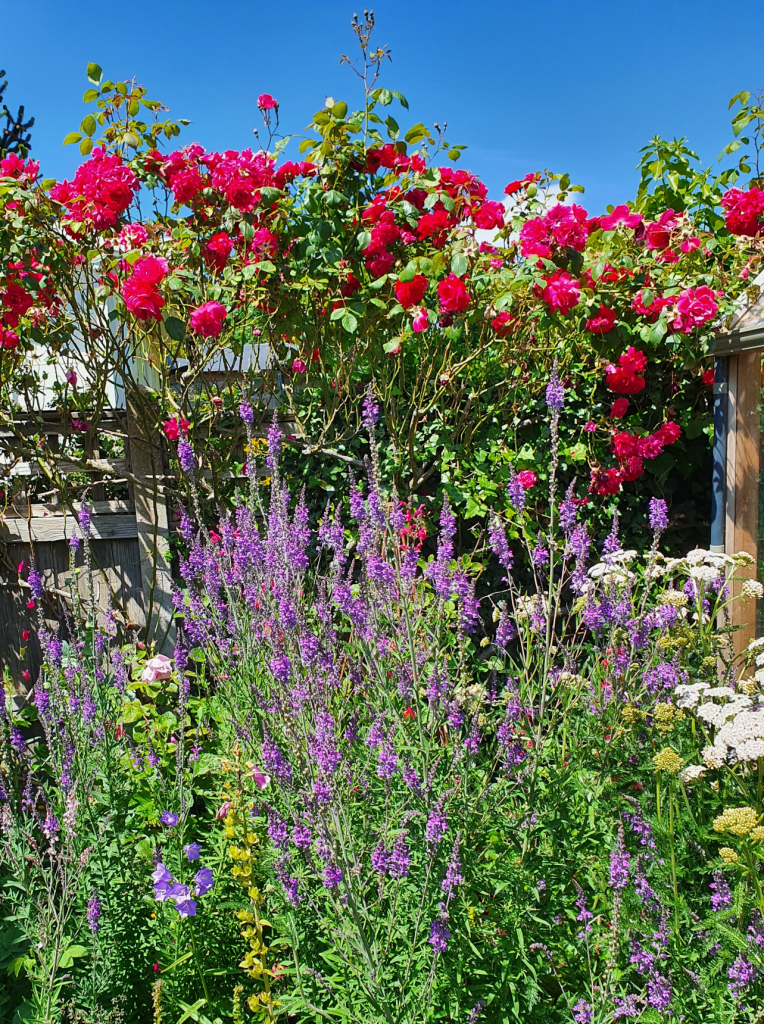
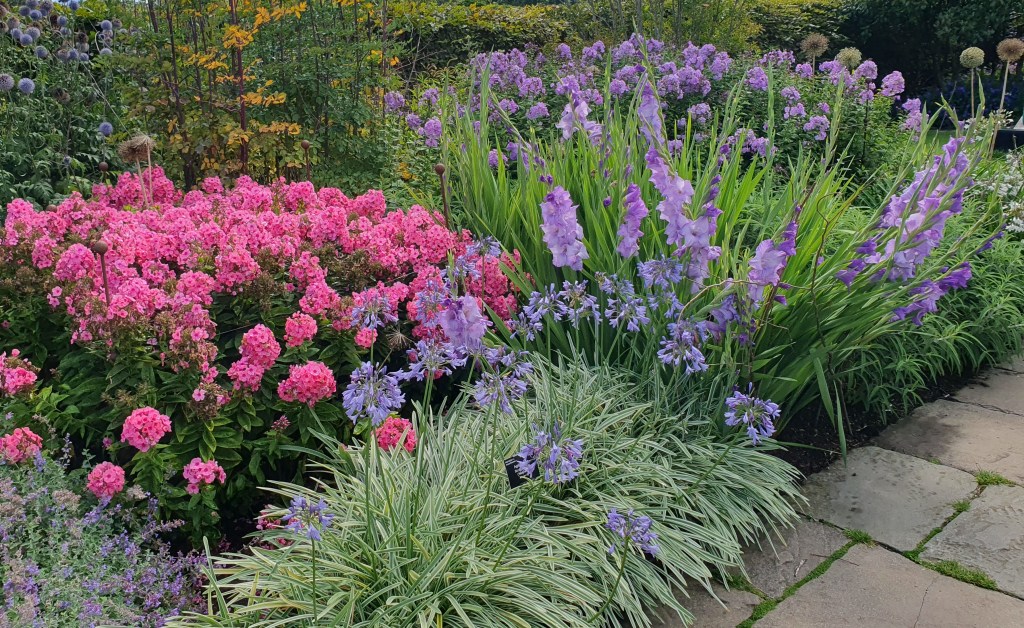
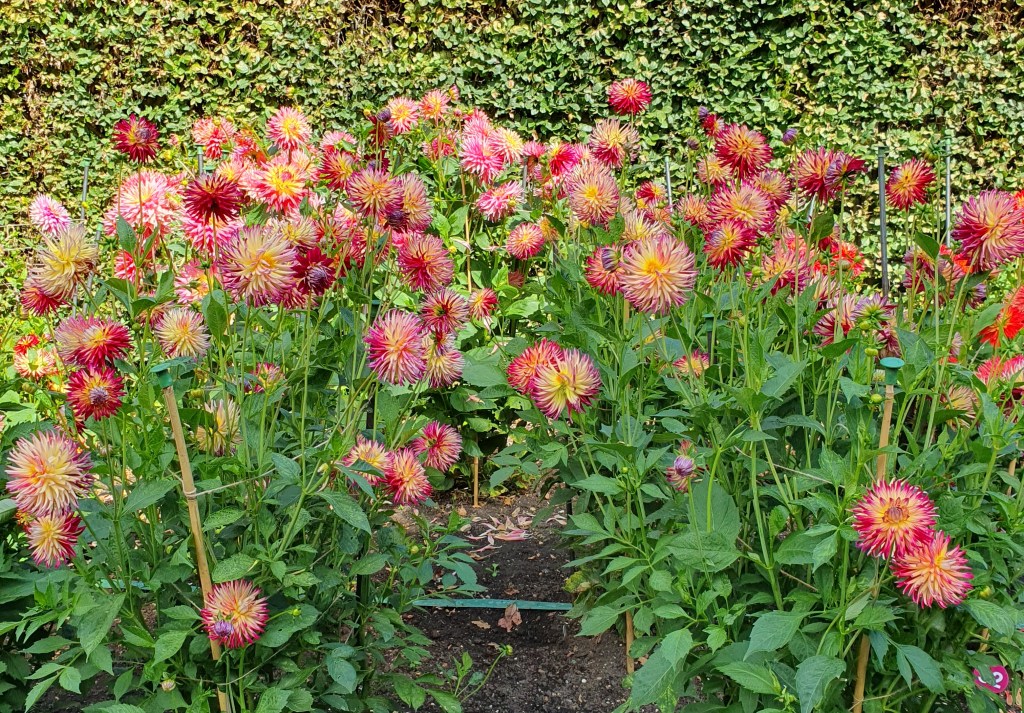
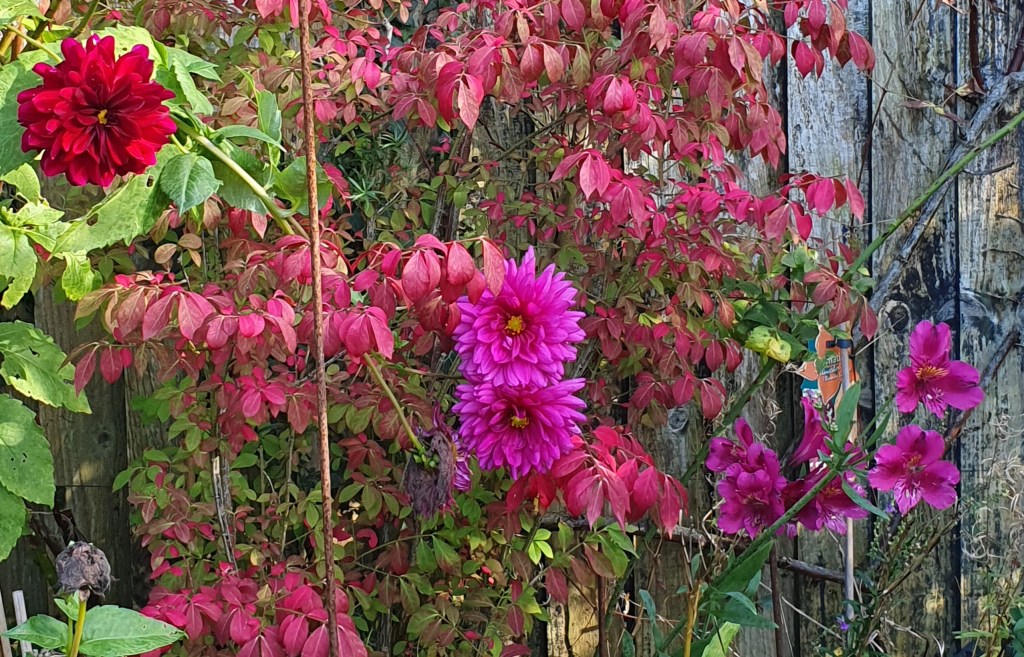
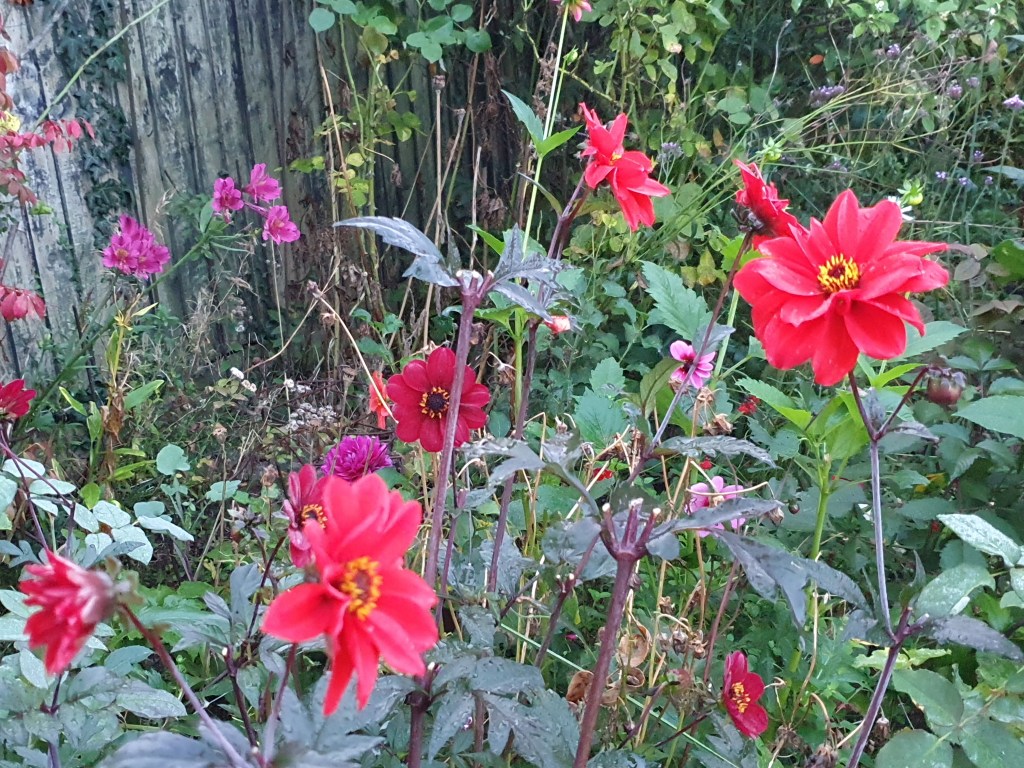
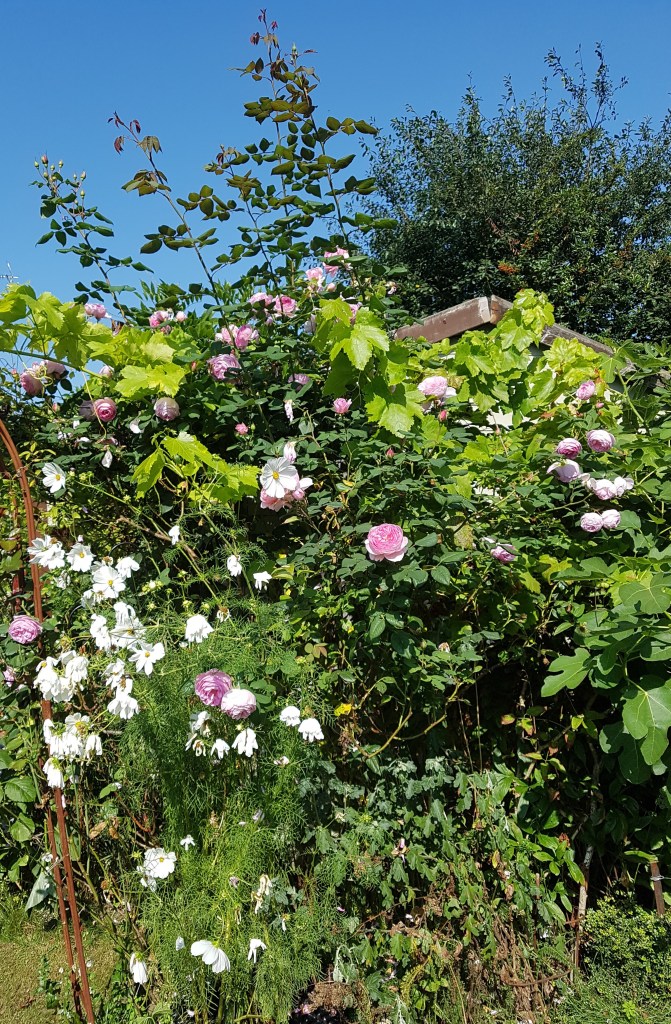
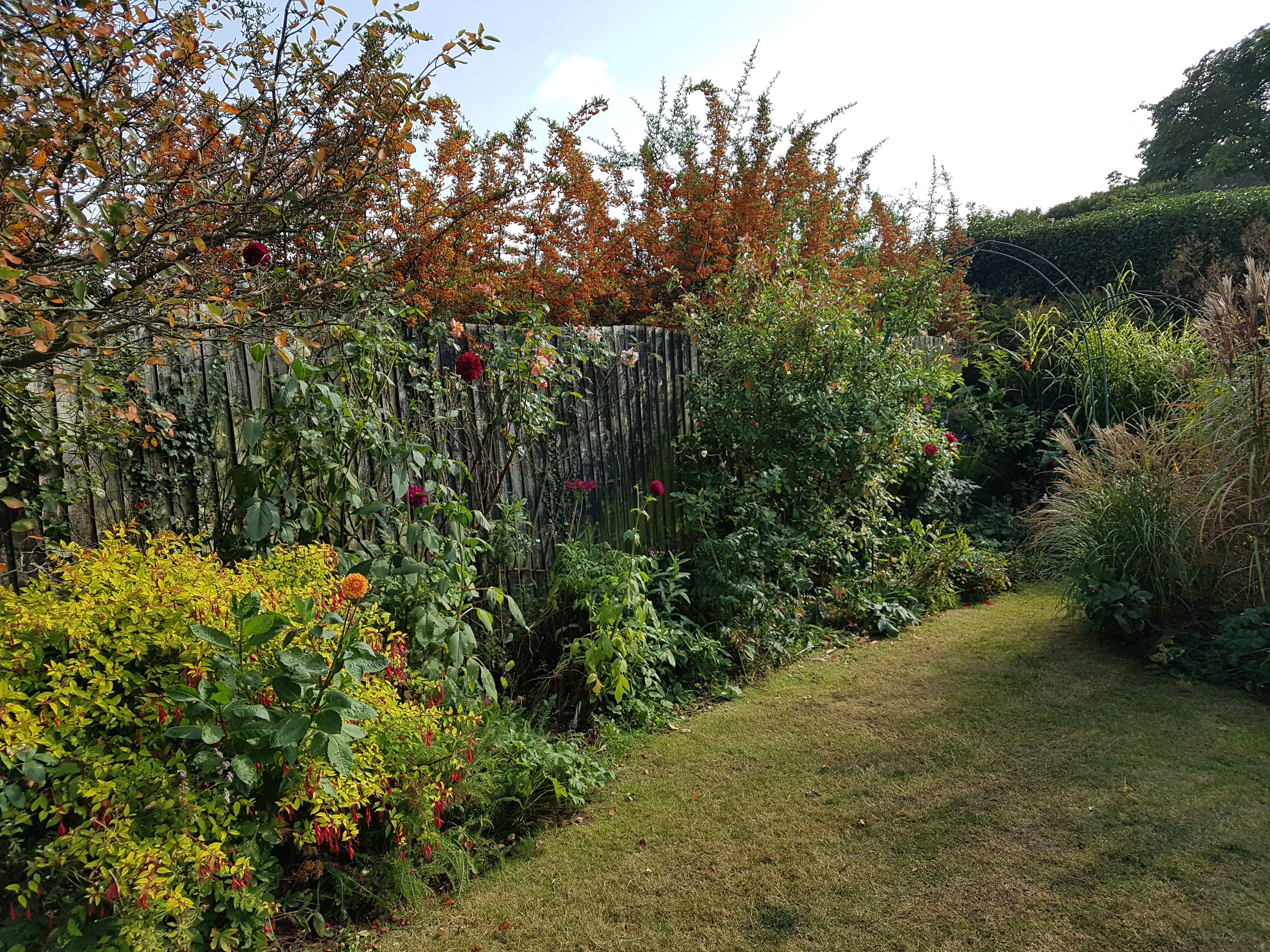
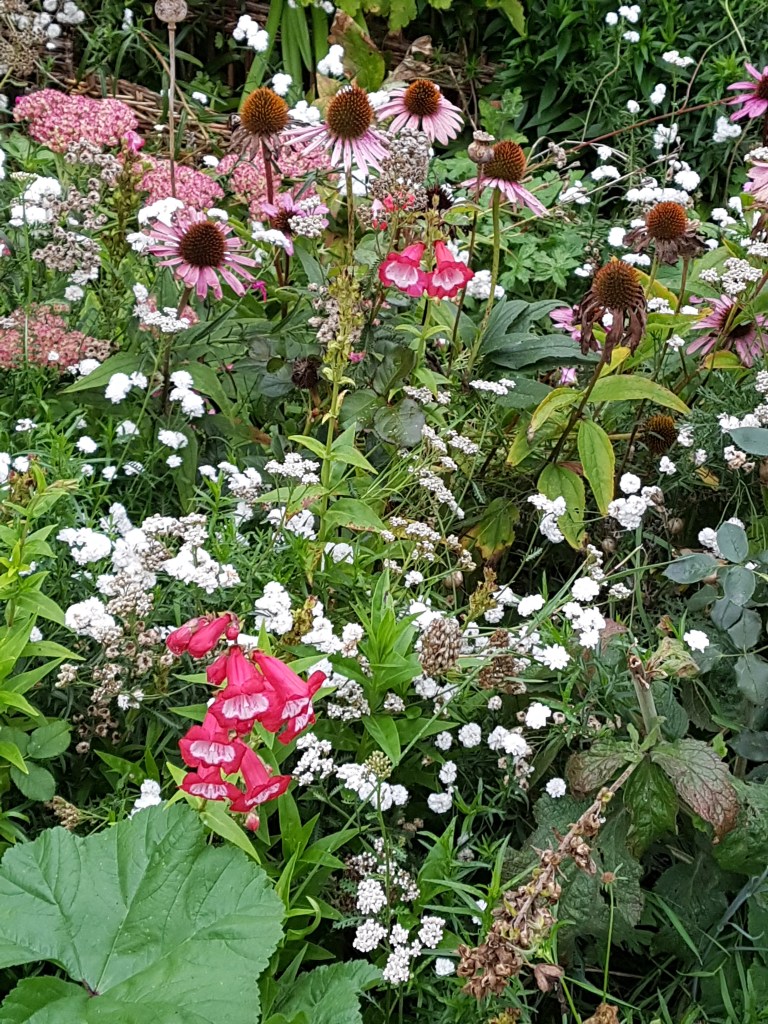
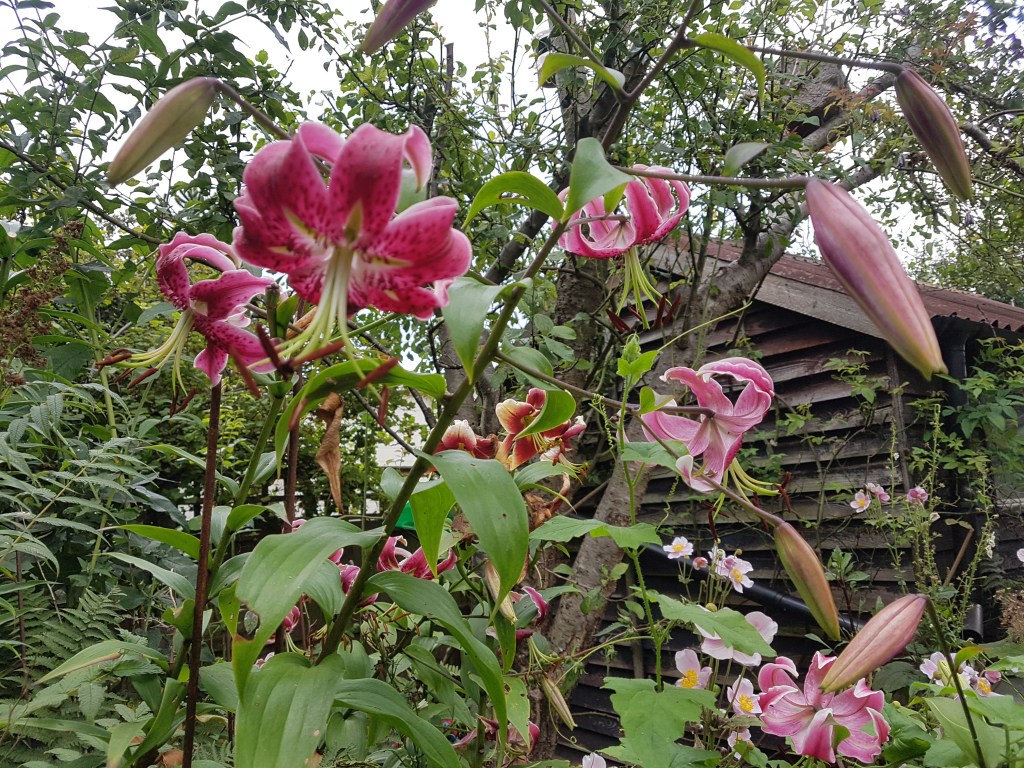
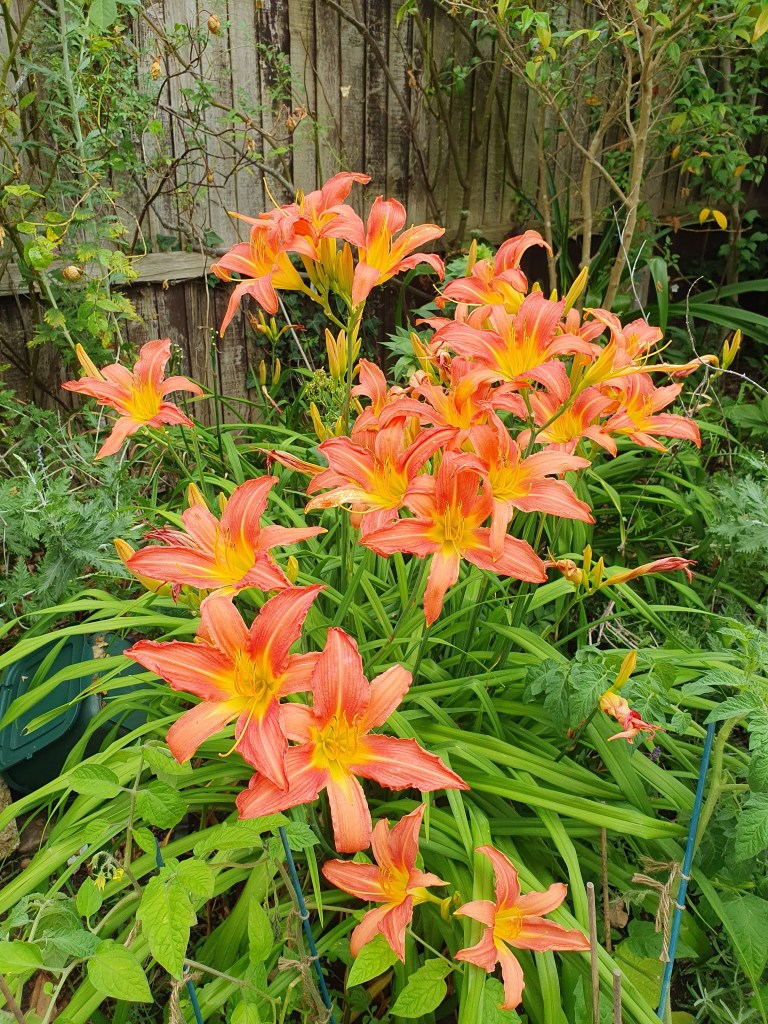
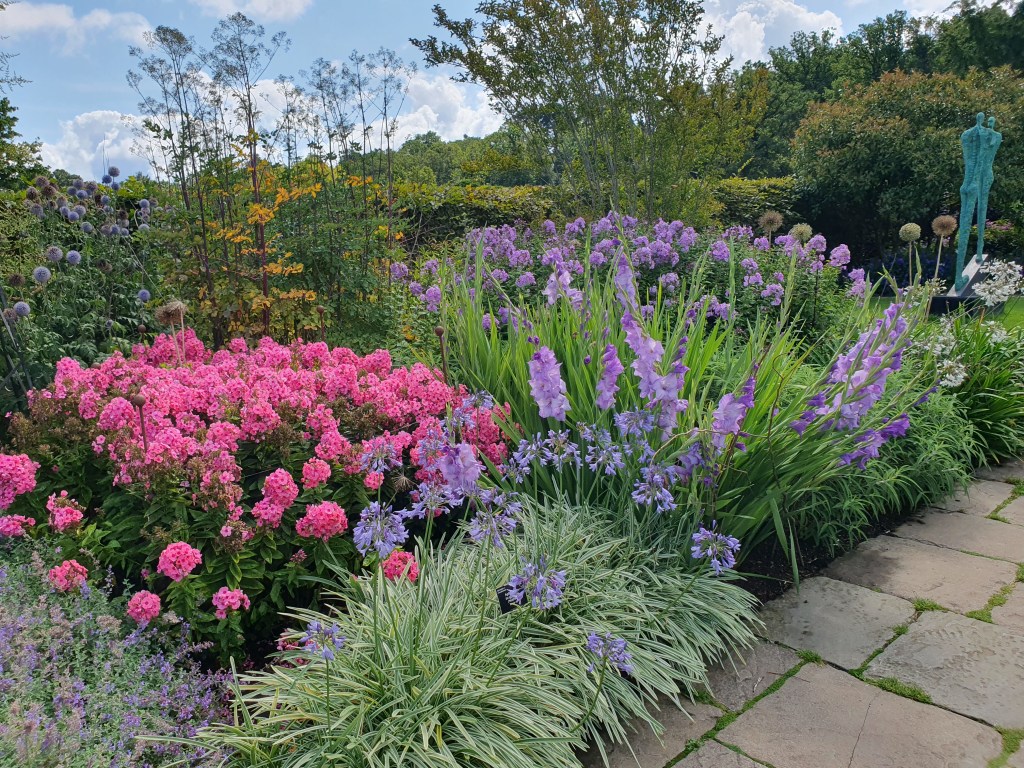
The height of summer in my garden sees the last of the daylilies going over beside the house, while the scent of giant Oriental hybrids on a warm day pulls me deeper into the garden. The borders are flooded with the colour of dahlias that will reach shoulder height by August, contrasting and blending with the second flush of roses, agapanthus, phlox and crocosmia.
On the plot, I’m harvesting raspberries, blackberries and blackcurrants, as well as a glut of tomatoes before the blight can get them. I start off outdoor cucumbers in a window ledge propagator, but they went outside in June and are pretty well established by now. They are trained up cane wigwams and I’ll keep cutting off the sideshoots to two leaves after a flower or fruit. Just like tomatoes, these hungry plants will appreciate a high-potash fertiliser as the fruits form.

Although there’s a feast for the eyes and belly, so much of July and August is also about keeping on top of everything I threw into the borders in spring thinking I didn’t have enough stuff. (Mental memo: must learn restraint.)

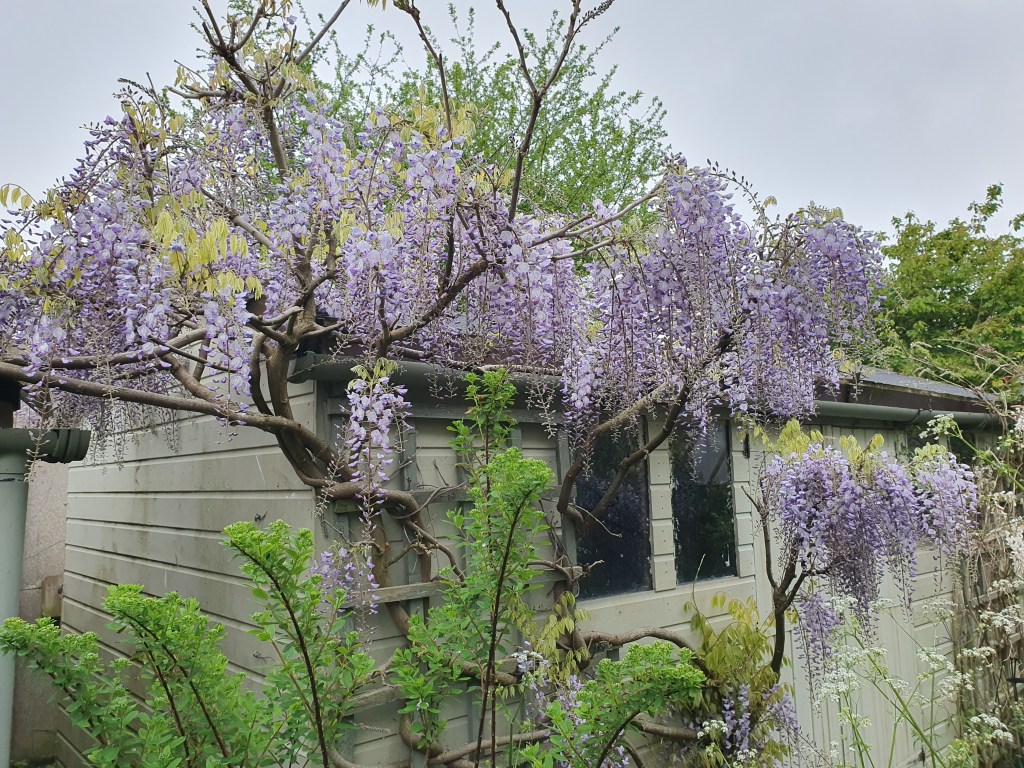
It’s time for the summer prune of my wisteria plants now – they’re well established and I’m training one of them over an arch. I’ll keep the whippy tendrils I need to tie in to create the new structure, but the rest of the plant needs attention before the end of July. Just find and cut back any unwanted tendrils to about 15cm (or five leaves) from their base.

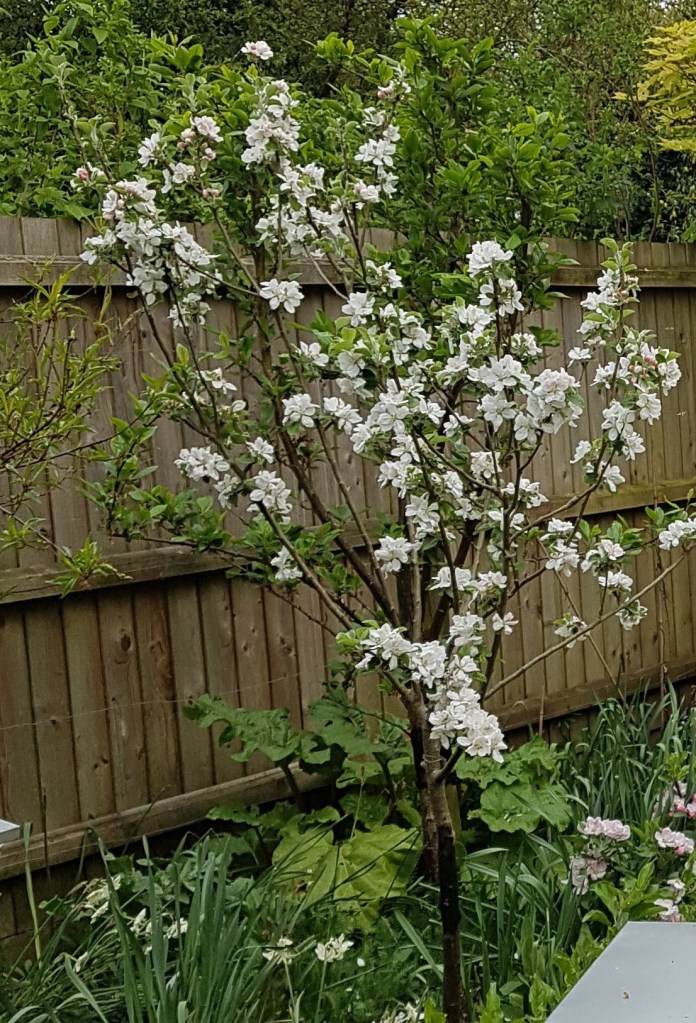
A lot of pruning is also taking place in the mini-orchard now as it’s time to give my apple stepovers their summer prune (you can treat apples and pears trained as cordons, espaliers or fans just the same). This will ensure as much sun as possible reaches the fruit to help it ripen, but also maximises next year’s crop as you encourage fruiting spurs.
Look for new shoots that are stiff and woody along their bottom third – they should have a cluster of leaves at the base. Those that are more than 20cm long should be cut back to three leaves above this basal cluster – be careful not to prune shorter shoots as these often have fruit buds. If there are any shoots growing from the sections that remain, I’ll cut these back to just one leaf, while vigorous upright growth will be removed completely (these are stepovers after all).

As I’m going round with my secateurs, I’m also looking for candidates that will make good cuttings. These will bulk up my beds and borders for free or wind up in the Society’s plant sales.

I’ve a lovely tender fuchsia in a pot that I’ve somehow managed to bring through winter, but I’ll take some cuttings now as a precaution. Look for new growth that will root more easily and cut sections about 7cm long from the mother plant. Ideally, they won’t have flowers but if there are small buds, just pinch them off so all the energy goes into producing new roots. Cut neatly below a leaf joint, then remove those lowest leaves and any sideshoots so the cutting has at most two pairs of leaves – you can also pinch out the tip (it’s probably already wilting by now anyway). You can dip the tip in hormone rooting powder but it’s not always necessary before inserting each cutting around the edge of a pot of well-draining compost. Water well and put the cuttings in a propagator or plastic bag to keep the humidity high, then stand in a warm, light place but out of direct sunlight. Pot on after a couple of weeks at signs of new growth.
With all this care and attention, your gardens and plots will be looking fantastic, so (warning: unsubtle plug ahead) why not think about showing what you’ve grown in our annual Autumn Show on Saturday 7 September. The schedule will be out soon on the website and it’s fun – just find your best ten raspberries or blackberries, a vase of annual flowers or some stunning dahlias. Who knows how well you’ll do! Have a great summer in the garden everyone.
‘Full on’ in the garden

It’s June already – half way through the year – and everything is ‘full on’ in the garden. You can’t turn around without something flopping into your path or slapping you in the face. It’s tie in, cut back, weed, mow and repeat for the next few weeks.

As well as the regular tasks to keep on top of everything, there are also some bigger jobs to tackle this month. I’ve Weigela ‘Bristol Ruby’ at the back of one border and a couple of unidentifiable pink varieties in another. If they are starting to outgrow their spots, now is a good time to prune them. Cutting back these early-flowering shrubs as soon as the blooms have dropped in June promotes the growth and ripening of new shoots over the remainder of the season and these will hold plenty of flowers in the next.

I’ll cut out any damaged or dead shoots and thin out some stems at ground level if the shrub is looking overcrowded. I’ll also take off any weak or spindly growth to let the plant focus its energy on stronger shoots that will carry the best flowers.

With secateurs in hand, now is also a great opportunity to make softwood cuttings of several perennials like pelargoniums or penstemons, as well as shrubs like fuchsia and the Russian sage, perovskia. Ideally take cuttings of fresh new growth from younger plants which will root more readily.

Head out into the garden nice and early when plants are full of water and the coolness allows more time before your cuttings start to wilt. Look for non-flowering shoots and remove 10cm lengths by pruning just above a bud. If you are taking several cuttings, pop them into a plastic bag as you go, sealing it to retain as much moisture as possible.

When you are ready to pot them up, trim each shoot just below the point where a leaf joins the stem – there are hormones here that will stimulate root production. Remove the lower leaves and pinch out the very soft tip. Dip the base of the cutting in hormone rooting powder (this isn’t always necessary, but I like to be sure) and pop it into free-draining compost so that the first pair of leaves are just above the surface.

Water from above and place the pot in a propagator or inside a plastic bag to create a humid environment. If you can provide bottom heat, this will help the cutting to root too, but a warm windowsill is fine – just don’t let it get so much sun that it dries out! The cuttings should be well-rooted in 2-4 weeks when they can be potted on.

I’ve reduced the lawn to a patch small enough that I can finally try and make it a perfect (this might be over-reaching) sward. I’ve already been mowing it weekly in both directions, gradually lowering the mower blades each week until I can use the lowest setting. I removed all the clippings at first, but that now much less is being taken off the top, I leave them on the lawn as a healthy mulch.

Next, I improve aeration by pushing a fork 15cm into the soil, wriggling it and heaving the soil up by a centimetre or so to reduce compaction and support root growth. I’m not fond of using chemicals if I can avoid it and the lawn is small enough that the next step, hand weeding dandelions and plantain, isn’t too much of a chore. Then it’ll be scarified – essentially raking out dead grass and moss – with a spring-tined lawn rake. This is hard work, so I bought a cheap machine version to do it far more quickly. Once done the lawn looks horrible – scraggy and raw – but will soon recover and be even healthier for it.

Whether you’ve bigger jobs like this or just a bit of pottering about in the borders, don’t forget to take time to enjoy the fruits of your labours. Happy gardening, everyone.

Fernery finery

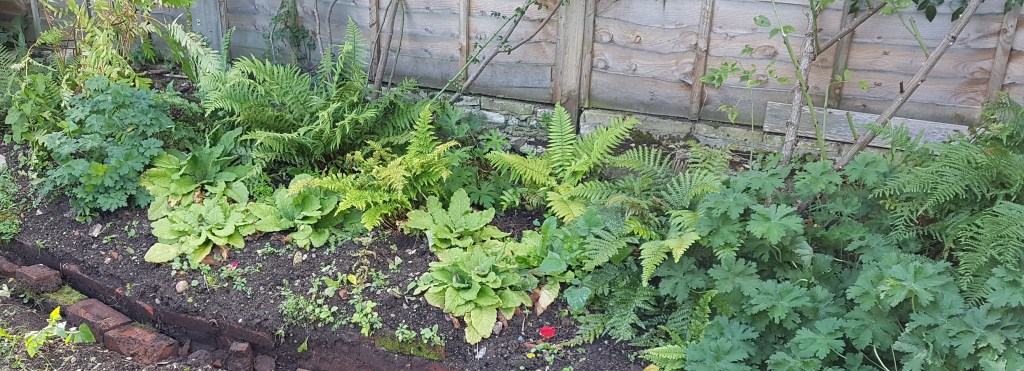
May is a great time to enjoy the sight of fresh green fronds unfurling as ferns put on their new growth. If you have a shadier corner and you’re not sure what to do with it, why not give them a go instead of shrubs or flowering perennials? You can always add a pop of colour at this time of year by planting alliums among them. A fine-looking but low-maintenance option, they need little more than a quick tidy up to remove dead and dying fronds in spring to clear the way for fresh new growth.

Your fernery doesn’t need to be perpetually damp (though a wider range of ferns enjoy this kind of ground) and there are several ferns that will suit drier shade close to a hedge or trees (Dryopteris – there’s even a clue in the name). The small, delicate maidenhair, Adiantum venustum, likes a sheltered spot, while the shuttlecock or ostrich fern Matteuccia struthiopteris reaches 1.5 metres when given its preferred moist conditions. Ferns come in varying shades of green of course, but your fernery could also include the silver-and-burgundy-flushed Athyrium niponicum or the ‘autumn fern’, Dryopteris erythrosora, which has red new growth that gradually turns bronze.

Now, while all this looks lovely in a certain garden I know, unfortunately very little of my garden is given over to ferns and there’s plenty to be getting on with if I’m going to stay on top of it all.

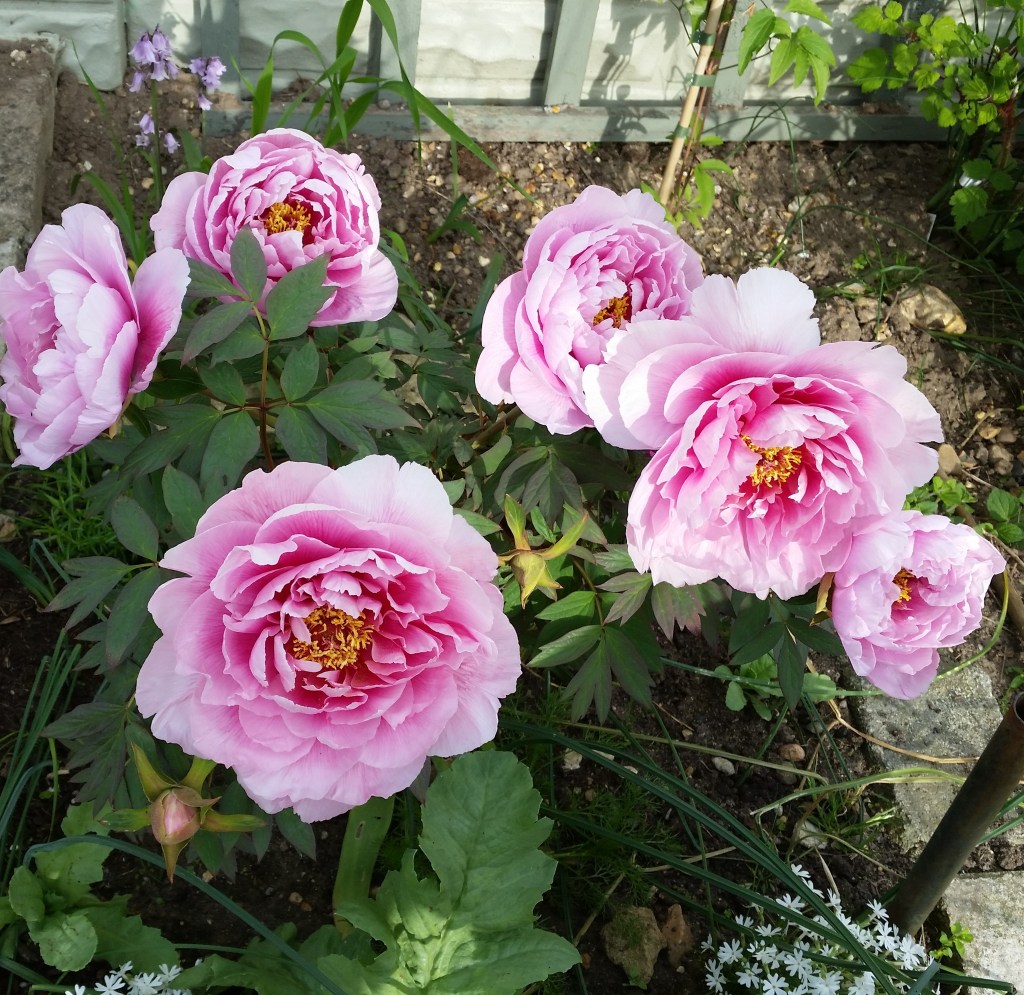
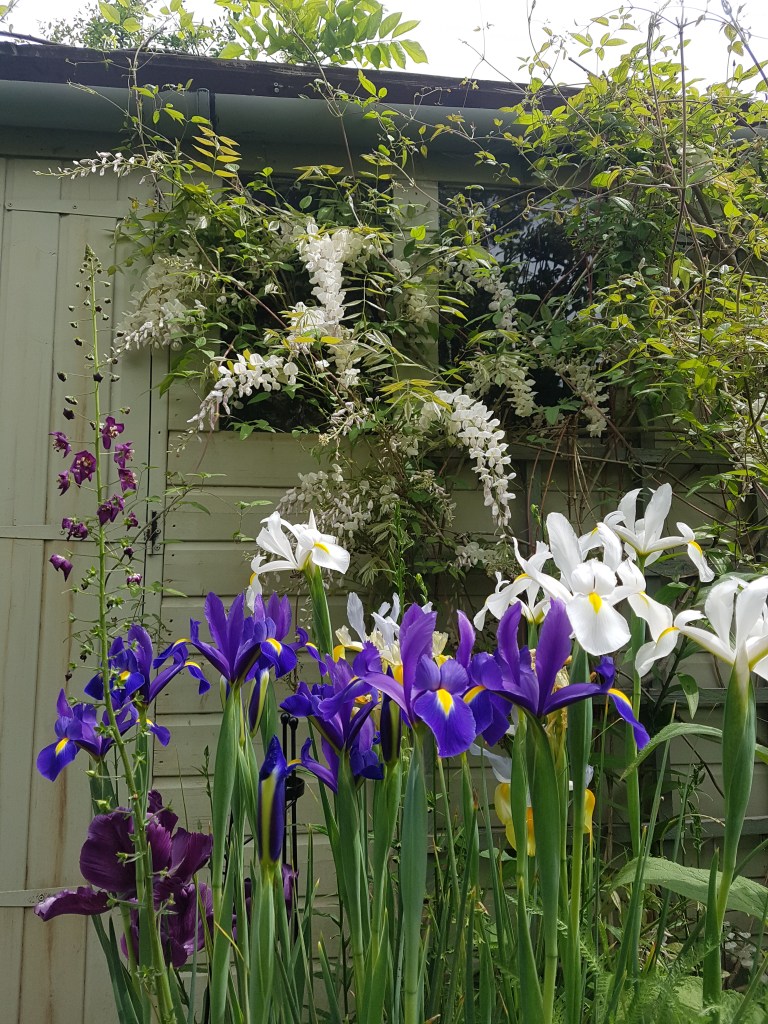
The borders are getting into their stride now with peonies surrounded by froths of sky-blue forget-me-nots. The early bulbs are mostly over now (feed them as they die back for a better show next season) but the violet globes of Allium hollandicum ‘Purple Sensation’ are taking over, reaching up to meet amethyst racemes of Wisteria sinensis. Delphiniums are giving the deepest blue, purple and ultramarine spires but will need careful staking if their heavy heads aren’t to snap straight off.

I put my tomato plants out towards the end of May as the danger of frost passes. I plant them deeply so some of the stem is also buried. New roots will grow from this, resulting in a stronger plant that will stand up better to the weight of the fruit. Tomatoes are great fresh off the vine, but also make a fantastic ‘red and green’ chutney – look out for it entered in our September show (or have a go yourself!).

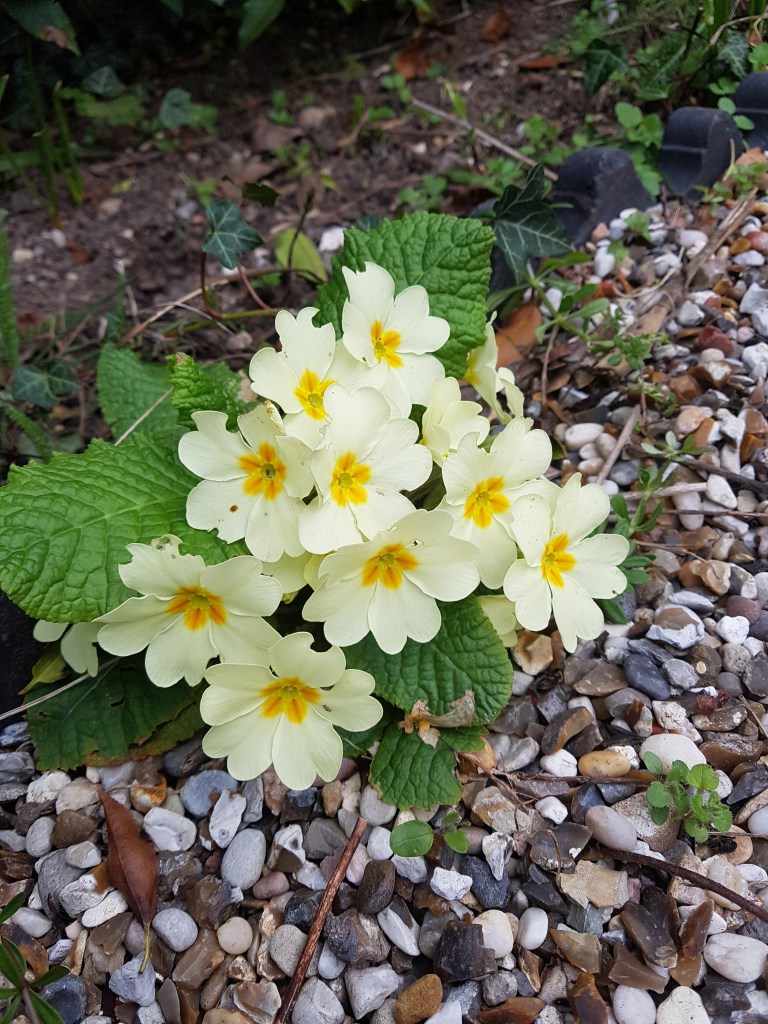
I’ve a couple of hostas filling their pots and as the leaves start to put their pointed tips above soil-level, it’s a good time to divide them. Just tip them out and saw through the tightly packed root system – a bit harsh but they’ll thank you for it later. Similarly rootbound agapanthus enjoy being be tightly packed but it’s worth moving them into a pot one size bigger every three years or so. I’ll also go round the garden splitting larger clumps of Primula vulgaris and replanting them to fill gaps in other beds and borders.

If you’ve gaps to fill in your garden too, then pop along to the front of Dedham Church on Saturday 11 May for our annual plant sale from 9-11.30am. You can pick up some bargains and we’d love to take off your hands anything from the garden that you no longer need. But if plants aren’t your thing, Mission Bake might be able to tempt you along with their homemade cakes.

Our final speaker evening at 7.30pm on Wednesday 5 June will welcome local gardener Ed Fairey who will talk to us about the History of the National Garden Scheme with a particular focus on Essex gardens. Entry is just £2 for non-members and it’s a great way to get to know more about us.

Getting into the swing of spring

If everything was starting to show itself in March, by April it’s hard to turn around without bumping into something blooming, bursting or putting on so much growth it’s slapping you in the face as you do.

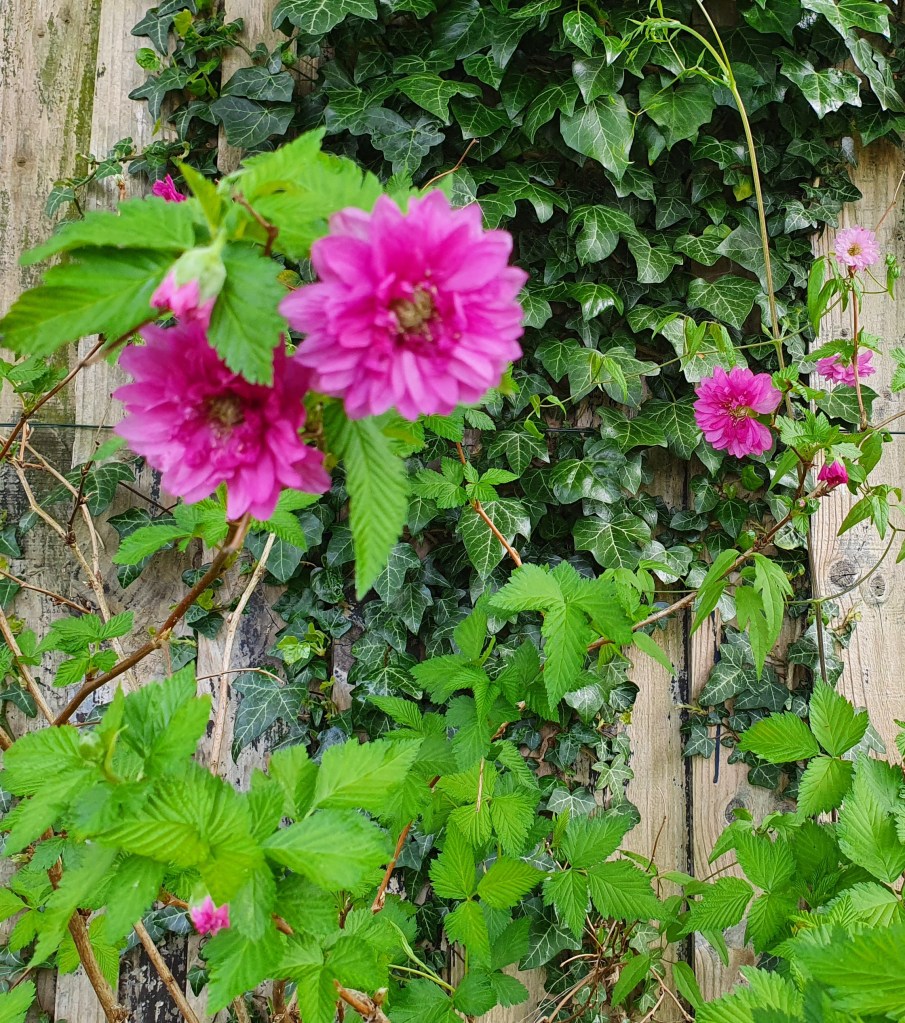
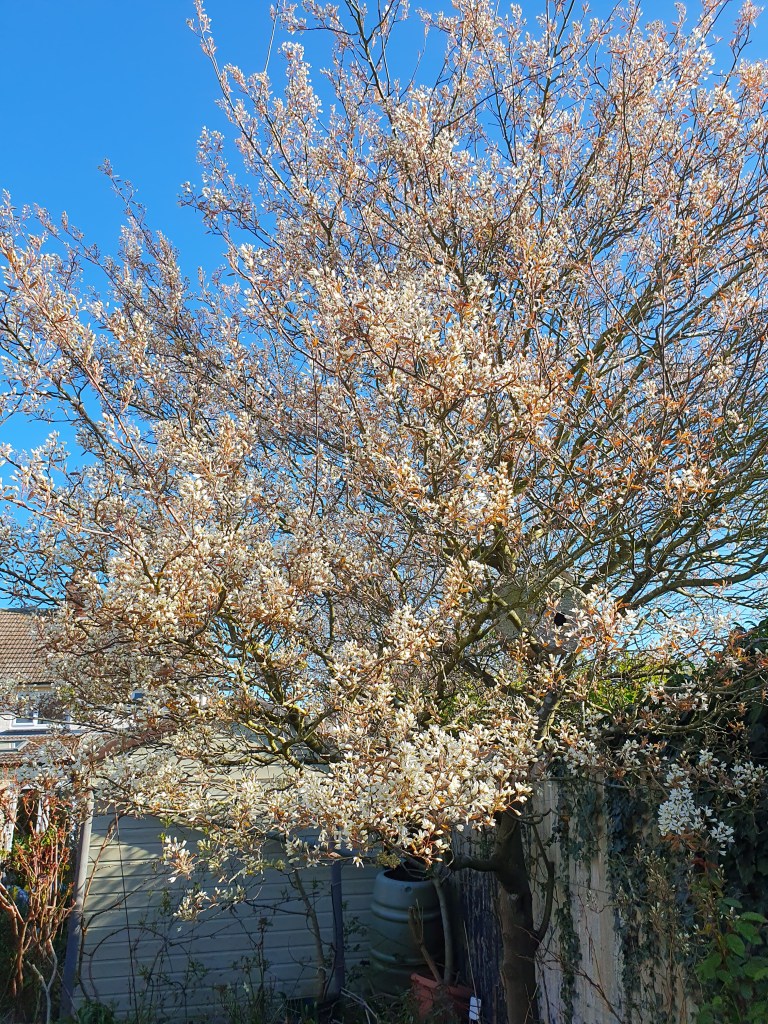
Trees and shrubs like Amelanchier lamarckii and Spiraea ‘Arguta’ are blossoming, and I’ve a great ornamental bramble, Rubus spectabilis ‘Olympic Double’, offering rose-like flowers towards the end of the month. There are spires of blue Camassia and low-growing Aubrieta ‘Purple Cascade’, and in shadier parts white and deep-red Lamprocapnos (or Dicentra) spectabilis.

It’s also tulip time – though the display I managed last year is beginning to show the signs of needing to be topped up. Darwin hybrids tend to be the most reliably perennial and – though I find the colours and varieties more limiting – if you plant them deep enough in the border, they should flower for three years, possibly more. They’ll never last as long in a container, however.

There’s often plenty of sun and warmth around this month, but overnight temperatures can still drop and there can still be damaging frosts into May. Be prepared for the worst by having some horticultural fleece to hand and sling it over your most tender plants.

As well as frost, watch out for plant predators as all this new growth is total slug-bait. The young shoots of delphiniums and hostas seem to be especially high on their menu in my garden.

As they finish flowering, I’ll divide primroses and spread them around the garden and I’ll also start adding half-strength liquid tomato feed to my choicer plants every other week: greedy roses and also peonies and clematis will benefit, but anything that looks like it needs a boost gets a dose too. I’ve never done this before but you can also feed spring bulbs as they flower and then go over. I’ve always left the leaves when they do but tomato feed will give the bulbs an added advantage for next year.

If you have a fernery (and who wouldn’t, they’re brilliant and many ferns provide welcome winter interest in the garden), it’s time to cut back the tatty fronds as the new ones start to unfurl. They appreciate a good layer of mulch to retain moisture and – although they don’t usually need it – a bit of slow-release fertiliser if you like.

Feeding anything will, of course, encourage lots more growth so get your plant supports in early before plants get too large. I use a variety of kinds: two levels of string between stakes for plants to grow up through the gaps, tall hoops criss-crossed over my delphiniums, metal peony cages, beanpole tripods for some of my more vigorous roses, and rusted arches and obelisks for clematis.

When it comes to clematis, as well as the rhyme ‘if it flowers before June, do not prune’, it’s worth remembering the gardening adage that ‘the first year, plants sleep; second year, they creep; and third year, they leap’. Basically, don’t give up on a plant if it looks like it’s underperforming when you first plant it. Although you almost expect it in the first year of planting, I’ve been disappointed in many clematis when they don’t put on the growth I’d expected. However, give them a couple of years to get their roots well stuck in and in year three, they’ll be off, flowering their little hearts out and generally getting in the way of everything else.

Cut back the late-summer flowering, vigorous Clematis viticella now to healthy buds a couple of feet above ground, feed and mulch – clematis like cool roots with their flowers in the sun. Then be ready to tie them in as they grow.

One final (not final for the year, steady on!) job is to check pots and containers to see if any look unhappy. Check if the cause is being pot-bound by tipping them out to check the rootball and, if necessary, repot them in something a little larger. My agapanthus are an exception as they flower better when packed tight into their container. Then all container plants will benefit from the top few inches of old compost being replaced with fresh.

So what are you waiting for? It’s the middle of spring, time to get stuck in!

Get out and do battle!

At last, it’s March and a great time of year for me. Although shrubs were budding up and daffodils were putting the heads above ground in the first week of February, everything starts to really get going this month. It’s officially Spring, the clocks go forward, and the days are getting longer – even Easter is early this year.

By March, most of the spring bulbs are coming up around the garden and when the weather is sunniest bees will be on the crocus. There might be a bit of early apple blossom in the mini-orchard and there’s plenty of vibrant, fresh greenery emerging.

That emerging greenery is going to be vulnerable to slugs though and it’ll be necessary to go on the attack before they get out of control. While I’m not obsessive enough to be out at night with a torch picking them off my plants, I do want to protect some of my favourites (plants, not slugs). I chuck molehills of grit over my delphinium plants and will remove as much decaying foliage and leaf litter as possible from around them. Nematodes will also do the job if the soil is warm enough.

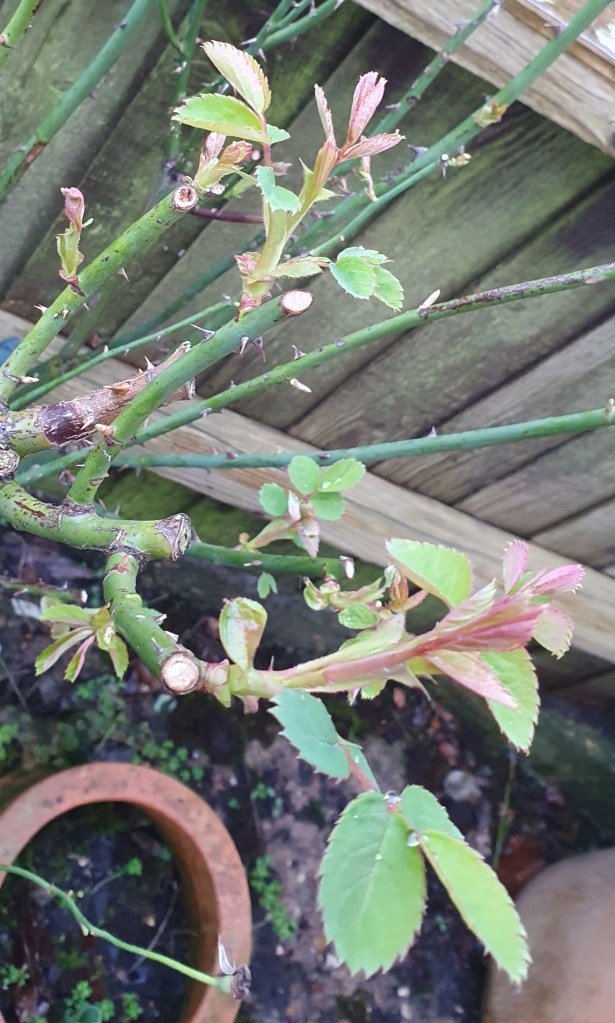
I’ll finish the rose pruning I started in February now that new growth is starting to unfurl on my modern shrub and English roses, bush roses and climbers.

I’ve plenty of the vigorous, repeat-flowering plants that are classified as modern shrub roses including stunning pink ‘The Ancient Mariner’ which is a good 7ft with a definite structure of sturdy stems and is used almost as a divider between parts of my garden. I also have the purple, heavily-scented Gallica ‘Cardinal de Richelieu’ in my front garden. I leave most of their framework in place as a hard cut back will encourage more leafy growth at the expense of flowers.

Bush roses include floribundas and hybrid teas like gorgeous red ‘Deep Secret’, and flower on new growth made in the current growing season. I’m always nervous about cutting these down hard (especially where I’ve lost the label and am not convinced I’ve identified the right kind of rose) but will experiment a bit this year to see how well they recover.

Finally, I’ll tackle the ‘Claire Austin’ climber on the front of the house, tying in long stems to their wire framework and cutting back sideshoots to one or two buds. Tying the long stems as horizontal as possible will encourage more sideshoots and more flowers. I’m sure I’ll come away from the process looking like I’ve lost a fight with a particularly aggressive cat, but it’ll be worth it.

When pruning, be brave (even if you’ve lost a label – they’ll recover) and use sharp secateurs to make a sloping cut above and away from an outward-facing bud to keep an open-centred, goblet-shaped plant. Remove dead snags and thin, twiggy stems as well as stems that are growing across one another and might rub.

Leave rambling roses until after immediately after they’ve bloomed in the summer, but every rose will get away better with a granular feed after their spring pruning.

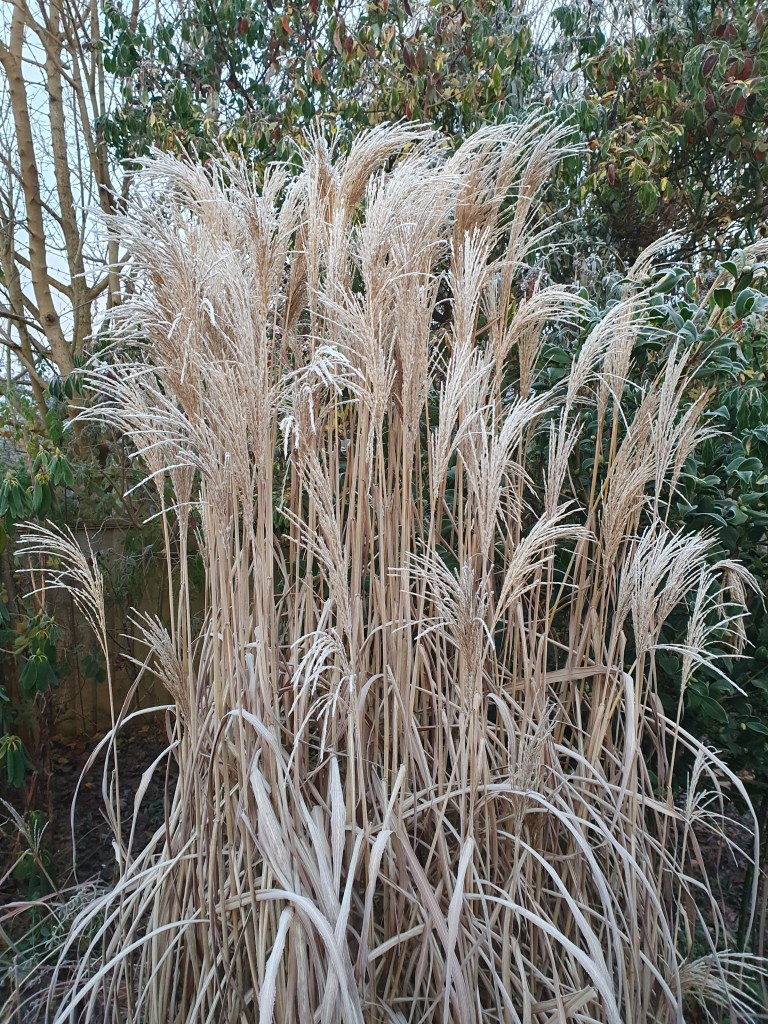
I love my ornamental grasses and their tall fronds have given a fine display over autumn and winter. However, now’s the time to cut back the deciduous miscanthus hard to the ground before new green shoots grow too long. Although I don’t grow any, evergreen grasses like stipa should be combed through with a rake or your hands (wear gloves) to pull out the dead growth.

On the allotment, I’ve already put forcers on a couple of my rhubarb plants and will now chuck some chicken-manure pellets around them all and mulch with compost (avoiding the crown) to give them a boost as they get going. I also need to replace one of my rows of asparagus plants which haven’t proven productive. I’ll plant the crowns in a 1ft wide trench, 6 inches deep, laying the roots over a ridge that runs along the centre and spacing them 12-18 inches apart. Then I return the soil to the trench with the tips of the shoots just buried. I won’t harvest these plants for at least a couple of seasons.

I hope you’re looking forward to spring and to being in the garden as much as me.

Get out in a garden

If you’re like me and there’s not much happening in your garden this month, why not get out to one of the region’s great gardens to see what inspiration they have to offer instead?

For instance, Anglesey Abbey’s gardens boast more than 300 different species and cultivars of snowdrop, or you could explore the snowdrop trail at Cambridge University Botanic Garden. The latter also has a winter garden of ornamental trees, striking-coloured stems, fragrant shrubs and beautiful bulbs to enjoy.

But while gardens are also great attractions for half-term with the family, I’m afraid ‘not much’ still leaves room for a few jobs you can do at home.

If you lifted your dahlias as I did this year, you can start them into growth towards the end of the month and get them ready for you to take cuttings. Add tubers to trays or pots, just lightly covered with compost (too much can lead to waterlogging and rot) and put them somewhere bright and warm (bottom heat is best).

You should see new shoots in a couple of weeks and be able to take cuttings about three weeks after that. New plants from cuttings apparently make better show blooms (if I can tempt you to exhibit in our show this September).

Apparently February is also a chance to sow summer bedding and tender annuals, including cosmos, nasturtiums and snapdragons. Personally, it feels much too early and, in my experience, cosmos especially are better off sown later. However, if you have a heated propagator or a spot on a warm sunny windowsill above a radiator, you could sow some slow-to-germinate chillies. Use free draining compost and keep them well-watered but don’t let them sit in soggy compost. Once they have true leaves, pot them on and help them become good and bushy with a high nitrogen fertiliser. Switch to a high potash feed when the first flower buds start to appear.

I bought some amaryllis (Hippeastrum) bulbs this Christmas – something I haven’t grown for years – and they are just starting to sprout as I write. Fingers crossed they make a colourful display for the gloomy months and, once the flowerheads fade, I will let the stalk die down naturally before cutting it off and storing the bulbs for next year.

I’m trying again with pelargoniums (tender ‘geraniums’) despite overwintering being a disaster in the past – probably because the frost has got them, or I’ve overwatered. This year, I’ve flung some fleece over them and if the weather gets colder, I may bring them into the house. It’s important to regularly remove dead leaves, keep them cut back to healthy growth and ensure plenty of air circulates around them to ward off the dreaded botrytis.

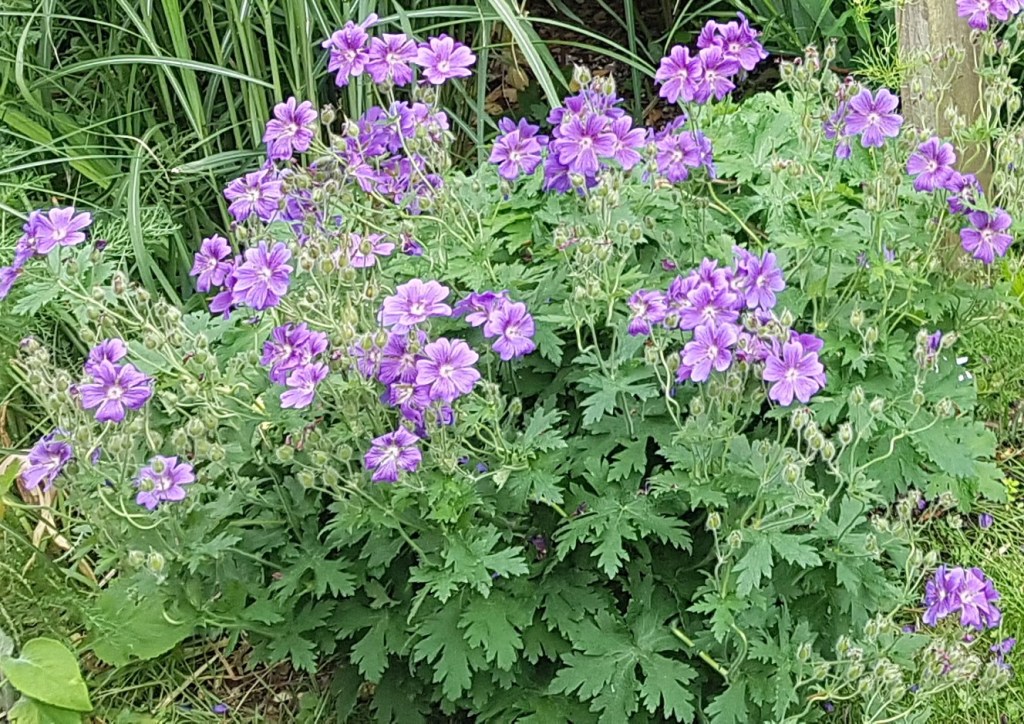
I’ve a large hardy cranesbill – the true Geranium – that needs dividing. It’s a beast of a thing that will take some digging out, then a good chop into several pie-shaped pieces with a sharp spade, before spreading it around the borders.

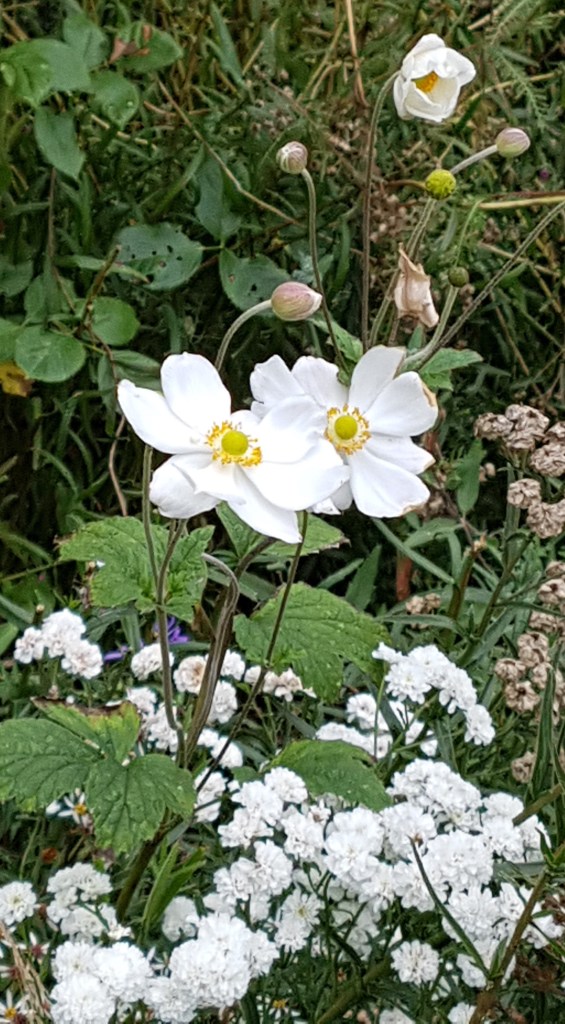
I’m also going to take some root cuttings. Good plants for this include perennial poppies, Verbascum, Phlox paniculata, theflowering quince and lilacs – some of which don’t take readily from shoot cuttings. If it tends to sucker (hello, Japanese anemone taking over that bed at the back), it will usually be good for this technique.

Start with a big, healthy mother plant, lift it and wash as much soil off as you can to expose the roots. Cut off young, pencil-thick samples close to the crown and discard the thin end. Remove any fibrous roots before making 2 to 4-inch lengths with an angled cut at the bottom and a horizontal cut at the end that was nearest the crown.

Insert the cuttings, pointy end first, into pots of gritty compost to that the top is just below the surface. Then top dress with a 1cm layer of grit before watering and storing in a cold frame. They should be ready to plant out in spring next year.

You may not be able to lift woody plants like the quince or lilac, so dig down and take roots up to finger thickness. Others, like Phlox, have thinner roots and will need longer root sections (3 to 5 inches) to be successful. Lay these horizontally, about 1 inch apart, cover with 3/8 inch of compost and top-dress with grit. Whether you’re getting out in your own garden or visiting a garden attraction this month, enjoy – as spring is on its way.

Happy Christmas everybody

I’m sure you’re looking forward to the festivities, but before you settle in for turkey or goose (maybe turducken), I know you’ll want to get some gardening done to offset the calories.

First on your list should be some winter pruning to encourage productive fruit trees and keep shrubs to a manageable size. Trees and shrubs are dormant now so there’s less chance that some will bleed sap, and leaves have fallen which means it’s easier to see what you’re doing.

I’ll tackle the wisteria over my shed but leave some of the whippy shoots to train over a nearby arch. I’ve a couple of grapevines – one of the plants that traditionally bleed if not fully or close to dormant – to prune too.

Grapevines can produce growth of up to 10ft in one season so need to be kept in check by pruning sideshoots to two buds from the main stems that are kept as a framework. You can also take a blunt knife and scrape all the loose bark from the main stems and around the spurs to root out pests and let new growth come through more easily. Though that seems like a lot of extra work.

Wisteria can also be taken back to 2 or 3 buds after the haircut I gave it in the summer. This will keep the plant tidy and the size you want but is essential to get the best from its flowers. The one in my garden gives me two flushes, early and later in summer.

It’s the perfect time to take saw, loppers and secateurs to the pear and apple trees at the back of the garden. I want an open, balanced structure that lets air through the branches. Apparently, you want to be able to chuck a hat – possibly a pigeon (?) – through the middle of it.

Start with the ‘three Ds’ – removing all dead, diseased or damaged wood, as well as crossing branches which can rub. Take your time, stepping back now and then to look at the shape of the tree, ideally from all sides, until you’re happy with size and structure. Then cut back this year’s growth on main branches by up to a third to a bud facing the direction you want it to grow in. Cut back side-shoots to five or six buds.

Through Christmas and the new year, I’ll check the state of dahlia tubers lifted to store over winter to ensure none of them are rotting. Many were grown from seed last spring, and they probably aren’t big enough to make it through winter if left in the ground. I forked them up carefully, used the jet of the hose to get as much soil off as possible, and then let them dry before wrapping them in newspaper and putting them in the frost-free garage.

I’ll cut off individual tubers that are showing signs of disease or rot and dust the cuts with flowers of sulphur. In January, I’m going to start the process of taking cuttings which apparently are a better approach when exhibiting and give bigger flowers. I’ll take them out of the garage, pot them up, give them a drink and some bottom heat and – when the shoots reach 3-4 inches – will start taking cuttings to grow on for our Autumn Show.

It’s possible to do the same thing with chrysanthemums if they’re not doing well enough on their own – to the extent that they’re taking over your allotment. Look out for some pink ‘mums in our May plant sale.

Squat, lift and (p)lunge

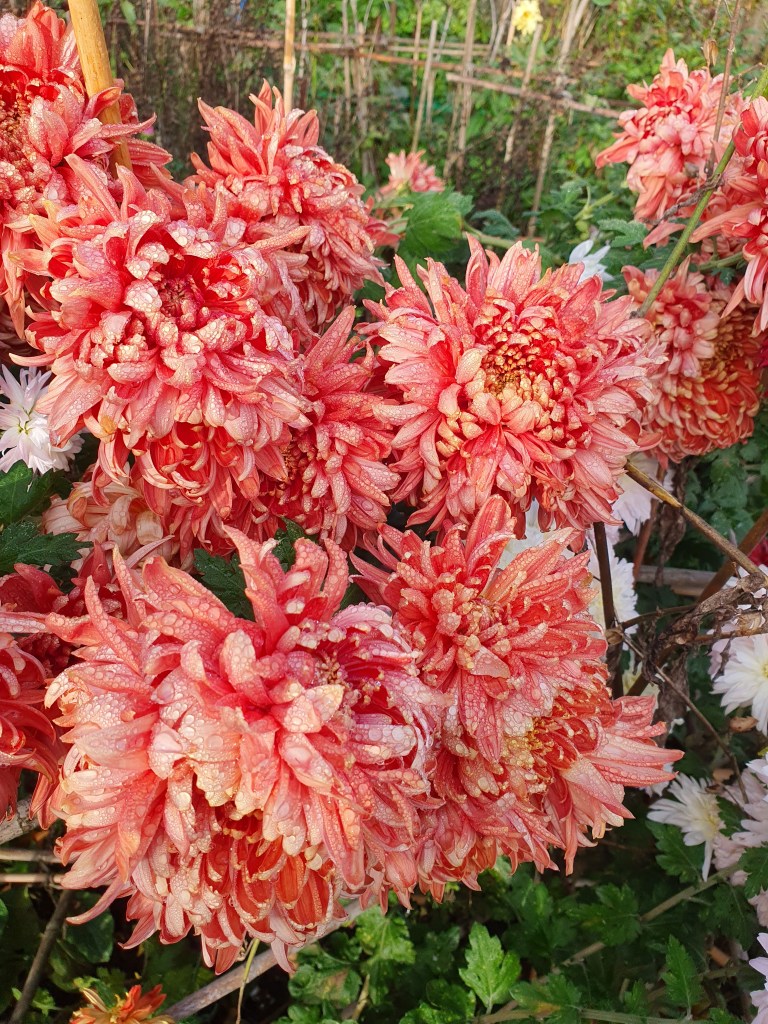
Okay this month’s title is stretching the limits of punnery but, as temperatures continue to drop putting tender plants at risk and bedraggled chrysanthemums offer the last of the colour, we can enjoy (yes, enjoy!) fresh air and exercise while packing away the borders for winter and laying the groundwork for spring.

Squats first as I move from border to border lifting the (way too many) dahlias I’ve planted this year. As well as a few new ones bought online (I’m loving flowers of the single red Bishop of LLandaff and the glowing cerise-purple, semi-double Bishop of Canterbury, planted in large groups among Mexican Star – actually a cross with Cosmos atrosanguineus), I’ve also grown a range from seed.

This has thrown up a lot of ordinary colours, as well as some really beautiful ones that I’ll be labelling and sorting for next year.

We will have had the first frost by now, which has blackened the tips of the foliage but shouldn’t have descended too deeply into the soil so the tubers will still be protected. I don’t lift all my tubers – the soil in the raised beds on the allotment is very free draining so they’re usually safe from the combination of cold and wet that will rot them.

The ones I lift will get hosed off to remove as much soil as possible and left to dry before I store them wrapped in newspaper in a frost-free place over winter. To protect those in my garden borders, I’ll chuck a bucket of compost in a molehill over them and hope for the best – it’s surprising what they’ll get through.

Once lifted, it’s time to (p)lunge – alright, I’ll stop – new tulip bulbs into the borders to fill the gaps I’ve made. November is a great time to do it: most of the other bulbs should be in by now, but tulips are better added when the weather is colder to protect them from the fungal disease, tulip fire, which produces brown spots and withered, distorted leaves.

Although the choice might be more limited, you can get some great bargains in December and January and even when planted that late, they’ll still flower well and in time for spring.

There are many types of tulip (almost as many as there are of dahlias) and the best type to come back year after year are Darwin Hybrids with their traditional goblet shape on strong stems. Over time though their flowers will get smaller and make less of an impact, so I keep them topped up every year.

Although it’s very weather-dependent, Single Early and Double Early tulips tend to flower first as early as March, they’re followed by the Darwins, Parrots, Triumphs and others, before the late-flowering singles and doubles in May.

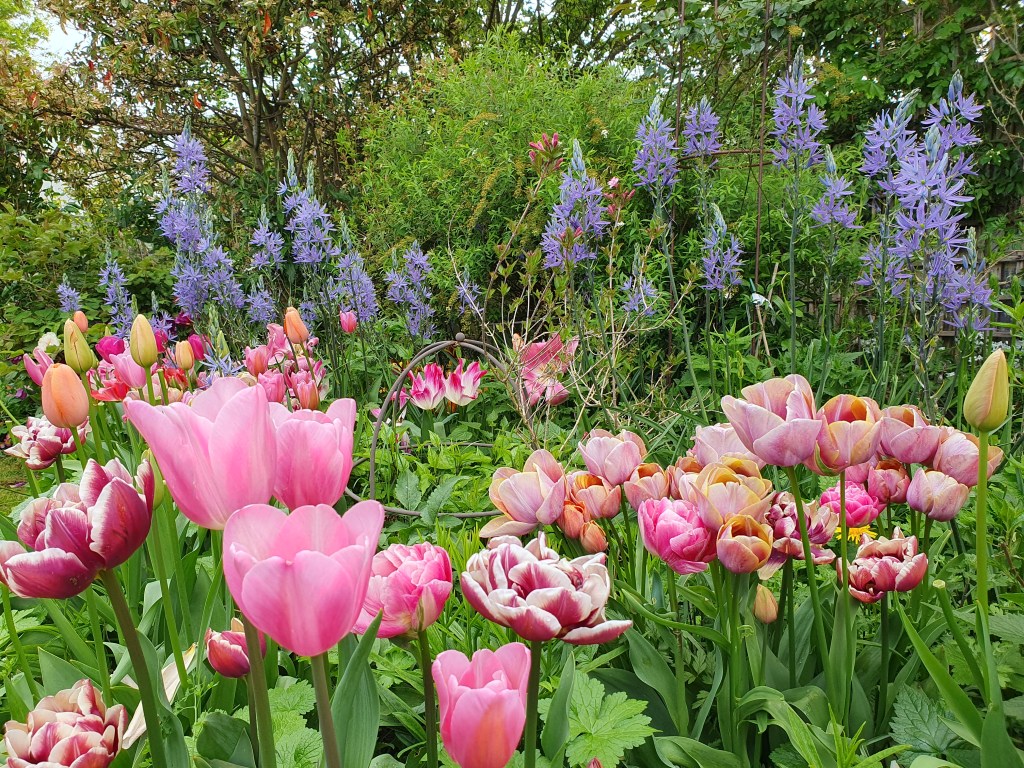
I plant a mix of the different types in large groupings so as one type fades it is followed by another. In one of my borders, double and single blooms in pink, peach and apricot complement the blue Camassia leichtlinii ‘Caerulea’ in May.

I plant them deep – at least three times the bulbs’ size – which can encourage stronger stems and make them more likely to flower in subsequent years (I’ll let you know in March what this year’s display is like).

I had some of my grass paths replaced with brick this year and have taken the opportunity to widen some borders for more plants. The wetter, frostier weather can make them slippery, so I’ll follow Monty’s idea to brush some sharp sand onto them to try and stop me breaking my clumsy neck when moving about the garden.

What lawn remains is now a small, brick-edged semicircle that I think I might be able to maintain and possibly bring to a beautiful green swathe by summer. Possibly. The road to getting there starts now, trying to squeeze in a last mow with the blades raised high if the weather is still mild, which will help to deal with any annual weeds. I’ll try to dig out dandelions and other perennials and aerate by stabbing a garden fork around and levering it back and forth a little.

Thank you and congratulations

Well autumn is well and truly here and, as I write this, the Society is looking forward to the first talk in its Speaker Programme on Wednesday 4 October, when Ben Smith of the Royal Horticultural Society will be inspiring us with ’30 years of an English garden’.

We also had another fantastic Autumn Show with friends and neighbours from Dedham and further afield sharing the best of what they’ve grown this year. It was wonderful to see familiar faces who – through the range of flowers and vegetables they grow, as well as their skills at cooking, photography and flower arranging – help fill the tables with glorious colour and scent.

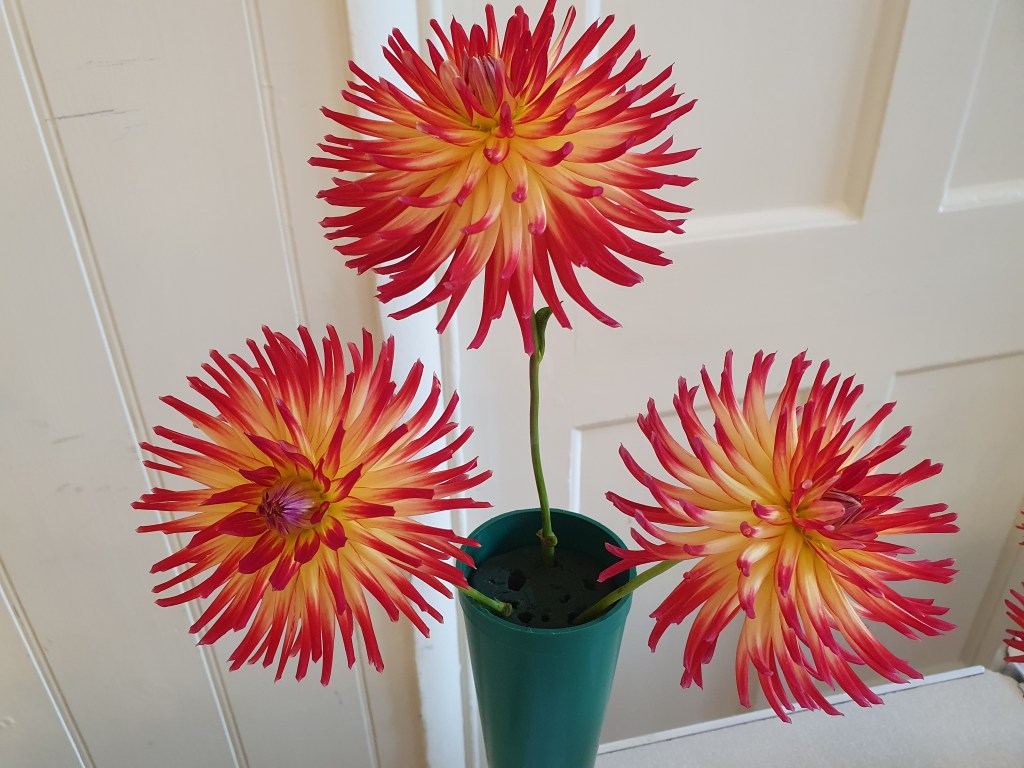
Autumn is our dahlia show (among other flowers of course) and among the five categories, people entered some incredible flowers. The single decorative class always attracts a great range of blooms, especially the giants like Café au Lait or Spartacus, but it can be a more challenging class as it’s easy to confuse other types of dahlia for decorative.

Anyone can grow dahlias and most will be very happy in pots. You can pick up a tuber cheaply from garden centres or online and, once the frosts are passed, plonk it into the ground so the top is just below the surface. Use some substantial compost if you are using a pot and ideally replace it each year. They are hungry plants so worth feeding regularly if you’re growing in pots for good flowering. Then just snip off a bloom (or several) when it’s show time! Search ‘dahlia’ on our website for a couple of articles explaining the different types.

Class 11 was another popular class for exhibitors keen to show five stems of hardy perennials in a vase. People entered with five of the same perennial, alstroemeria for instance, and arrangement of five different kinds or a mix. On the table, they made for a display as good as those we saw in the flower arranging classes.

Have a look at your garden or containers and think about which plants come back year after year. Some may die back over winter (herbaceous perennials) and some may stay in leaf, but if they’re in flower in September then you should consider them for this class.

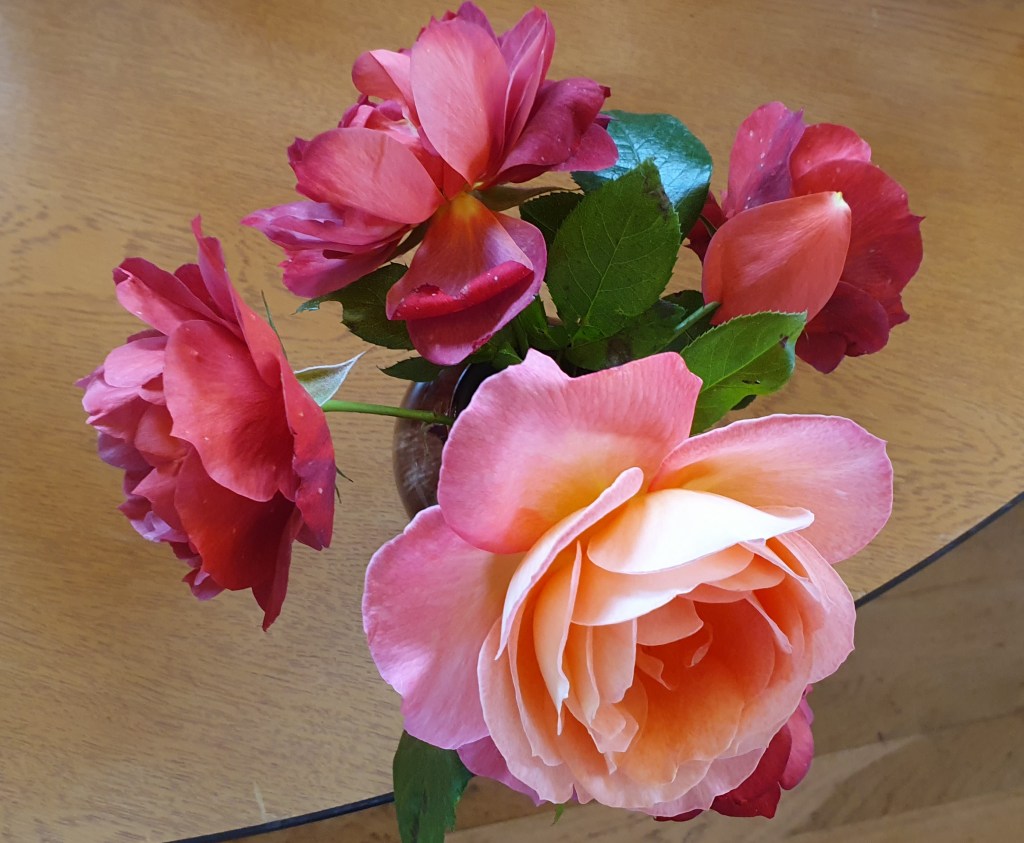
Our rose classes always attract a lot of entrants and there’s room for a rose in every border, patio or balcony container. There were some fantastic roses for fragrance – the winner, quite small but kicking out a powerful scent that rivalled the other bigger options – and the whole table looked spectacular.

It looked like it’s been a good year for apples, plums and raspberries (after most suffered in the very hot summer last year), as well as beetroot to judge by the quality of entries. While there are raspberries available now that you can grow in pots, we’ll also accept hedgerow varieties of blackberries – so why not think about any you’ve seen while out and about and enter those.

Entering the show isn’t just about getting a trophy (which can just be a numbers game – the more classes you enter the greater your chance at getting a trophy); there’s also a thrill to getting a first, second or third in a particular class. I still save those cards as a little record of my growing success (and it’s a handy conversation starter for tea with my mum). Having said that, congratulations to our cup winners this year on your huge achievement and thank you for taking part and helping us make another great show.

At the end of the day, whether you are a member of Dedham’s Horticultural Society or not, our shows are very much community affairs. It’s free to exhibit in any class and as many classes as you like, and we’d love to see more people have a go and come along to look at the displays and catch up with friends and neighbours over a drink.

A new season for Dedham’s Horticultural Society

Although the summer is winding down and leading us into autumn, there’s still plenty to enjoy as I look around the garden. Although some plants are well passed their best, some of my roses are still going alongside asters, chrysanthemums, Verbena bonariensis, Cosmos bipinnatus, plumed flowers of Miscanthus sinensis grass and colourful pops of in-your-face dahlias.

I feel like I’ve somehow missed weeks in the garden this year and I’m still behind in getting plants staked and supported, yanking weeds and putting things into better places, and it’s already time to think about winding down for winter.

But there’s plenty still to do, particularly with the fruit and little bit of veg (are tomatoes fruit?) I’m growing. I’ve cordon (indeterminate) tomatoes growing in growbags and there should still be enough sun to ripen them this month. It’s a good idea to pinch out the tops of the plants so they concentrate their energy into fruit that is already set, rather than trying to grow more. Water and feed regularly, cut off the lower leaves to ensure any sun can get to the fruit (veg?) and make sure they are tied in firmly.

When I think the best of the summer is over, I can still ripen them by cutting the tomatoes off the plant while keeping them on the vine. Put them somewhere warm – a spare room, conservatory or sunny windowsill – on cardboard or newspaper, and nearly all will ripen. (I’ve not tried the banana tip but have heard that works too.)

I have a couple of peach trees in the garden, but only the one that is sheltered seems to fruit at all. Both suffer from peach leaf curl but it doesn’t seem to affect the fruit. This year looks like a reasonable crop which I’ll harvest now – hopefully before the wasps get to them.

Early this month is the last chance to give my ‘stepover’ apple trees a prune. First, I’ll check for and remove dead, diseased or damaged stems and any upright shoots growing higher than I need. Then I’ll look for any of this year’s shoots that are 18-23cm long and cut them back to three or four leaves.

As well as slowly winding down in the garden, the Horticultural Society starts its new season of events with the annual Autumn Show on Saturday 2 September. Perhaps some of you had a go at entering some of the flowers, fruit and veg from your garden or plot, a houseplant or two, your photos or cookery. Maybe you’ve come along to Dedham’s Assembly Rooms to see what your friends and neighbours have exhibited.

With the show over, we turn to our line-up of eight speakers – one a month except in January – and it’s a fantastic programme this year. Taking place on the first Wednesday of the month at the Assembly Rooms, our talks are a great introduction to the Society and a chance to meet other members from the village and further afield, while learning more about plants and gardening.

This year our speakers draw their expertise from the Royal Horticultural Society, BBC Gardeners World magazine, the National Garden Scheme and local attractions like Hyde Hall and the Place for Plants. They’ll talk to us about the evolution of a garden over 30 years, biodiversity, and wildlife, container and dry gardening. We also host a Christmas supper, which is a great way to discover what we get up to.

We’re always looking for ideas for speakers – what kind of information would you come along to hear about? Get in touch through our website.

April will bring our Spring Show which is all about the daffodil and other bulbs, so start thinking now about the bulbs you can plant this autumn for wonderful scent and colour as the weather starts to warm. It’s followed by a Plant Sale when we encourage members and casual visitors to ‘bring and buy’ flowers, vegetable and even house plants in front of Dedham church. So whether you’re out in the garden, on the plot or coming along to learn from our events, enjoy!