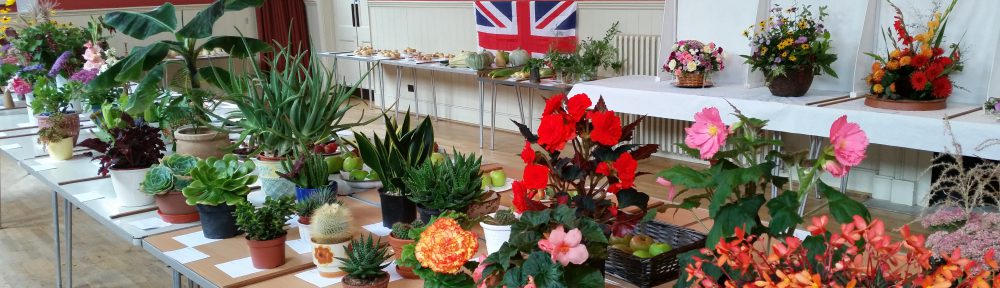
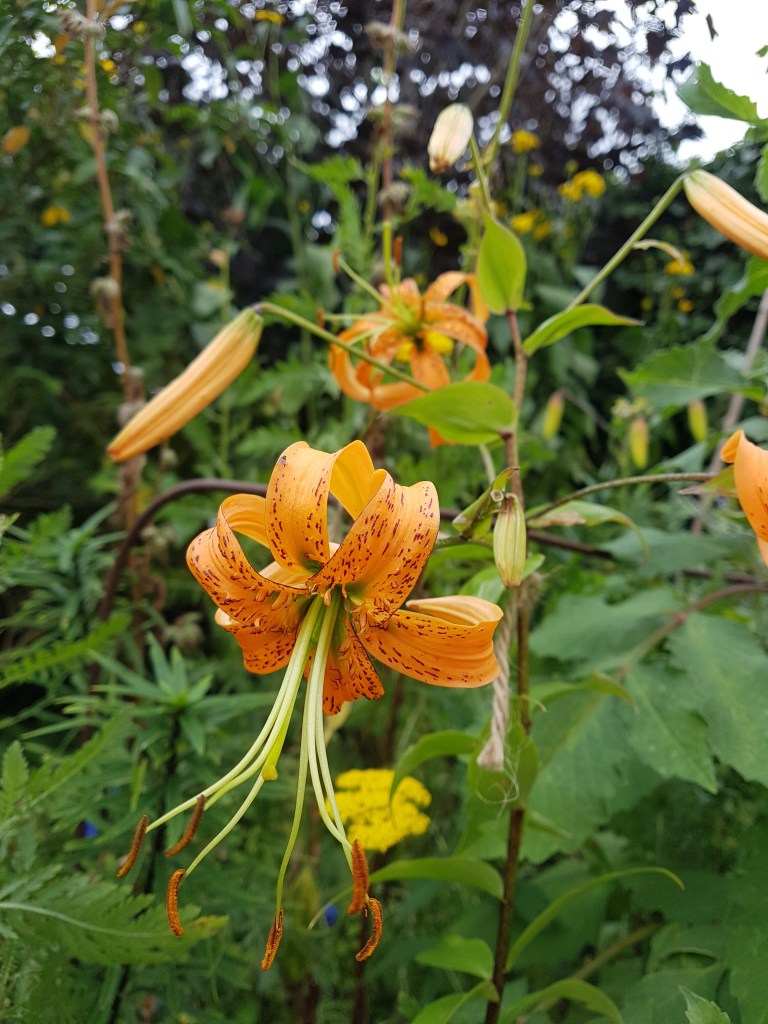
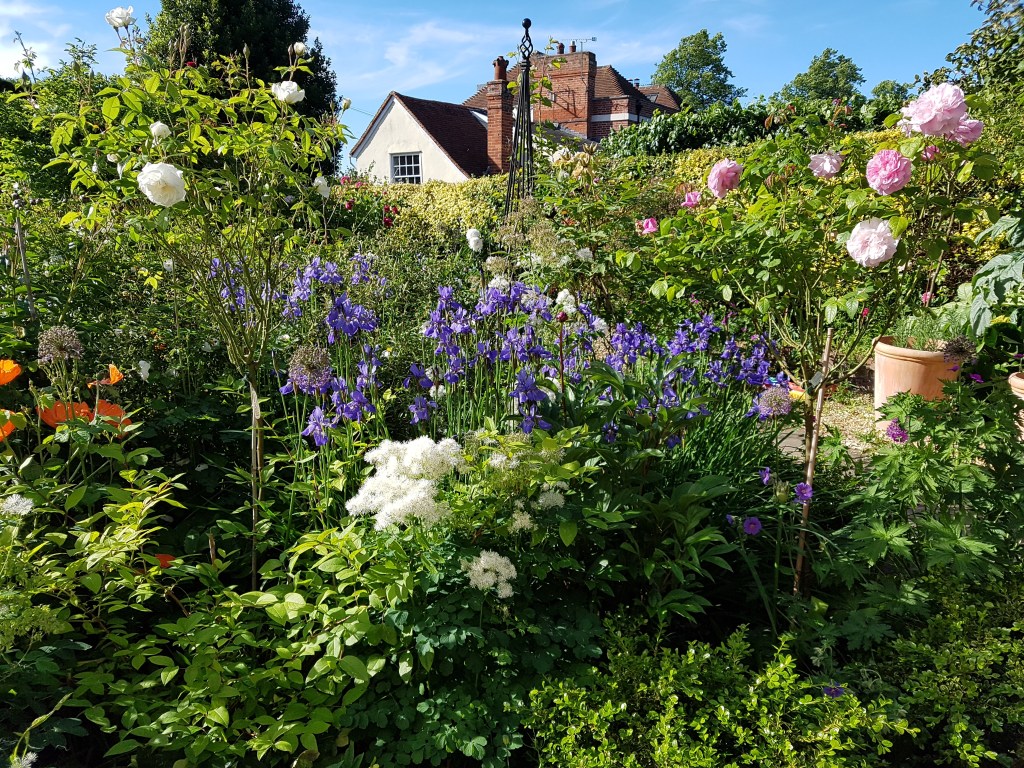
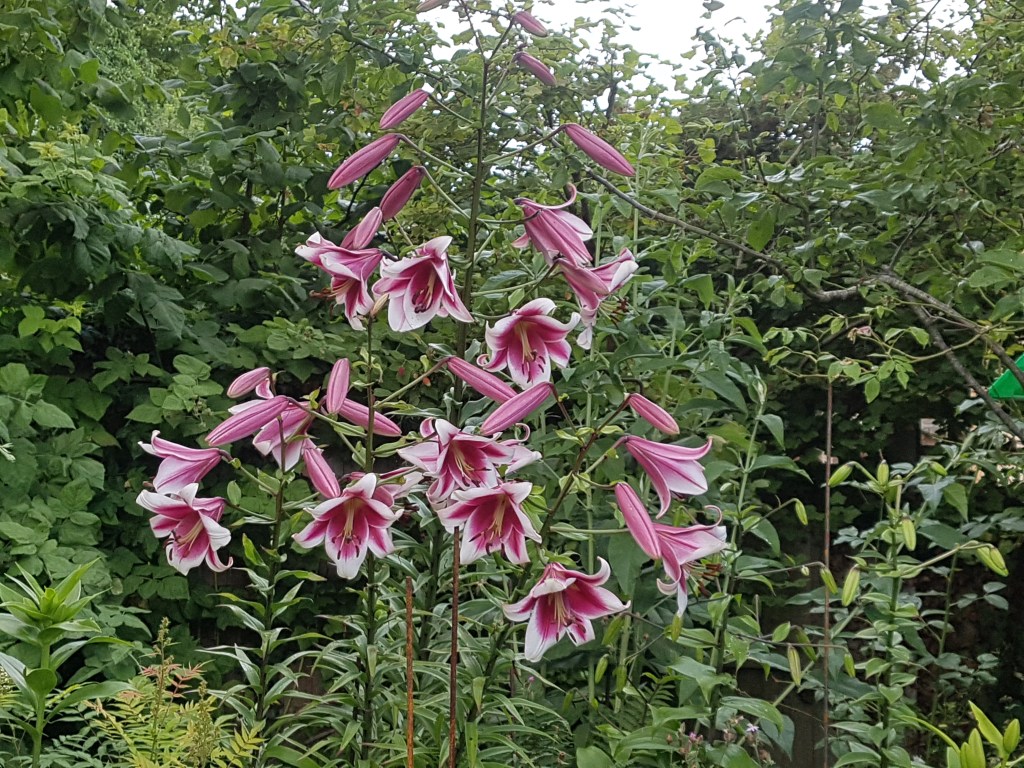
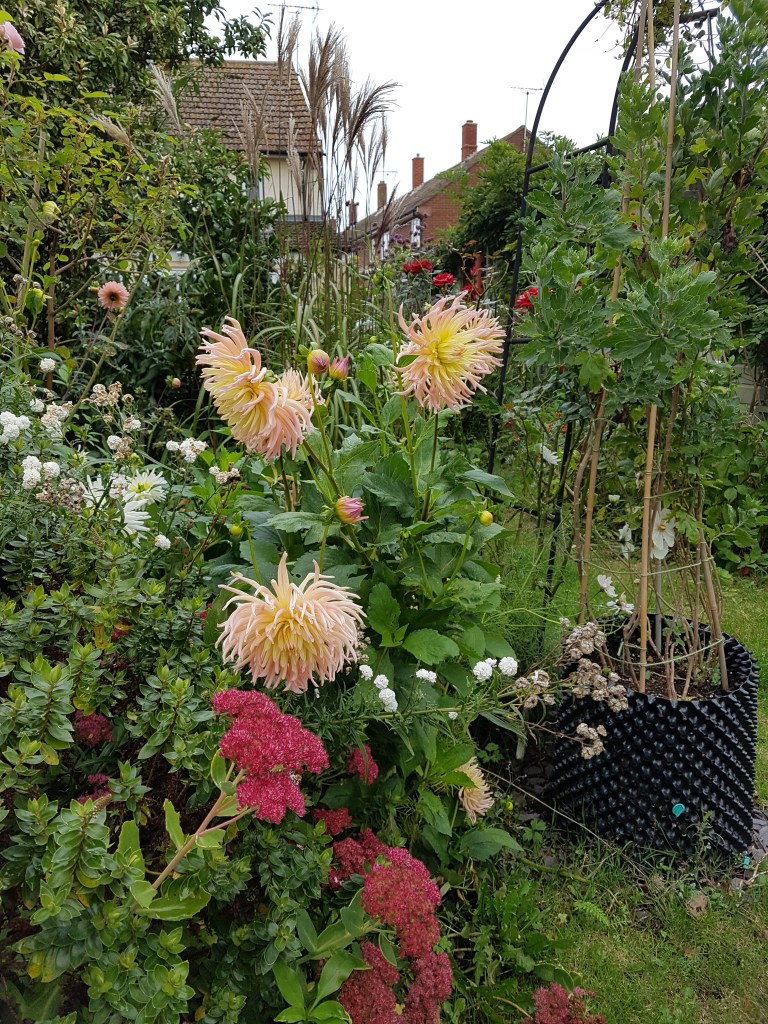
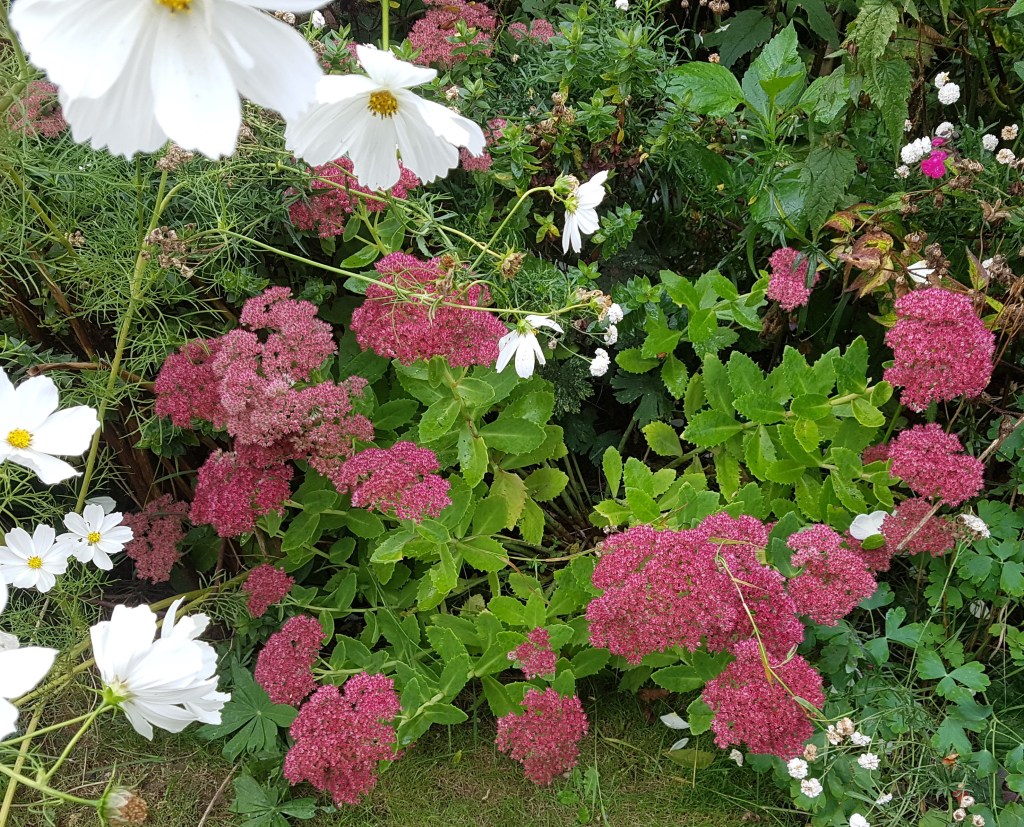
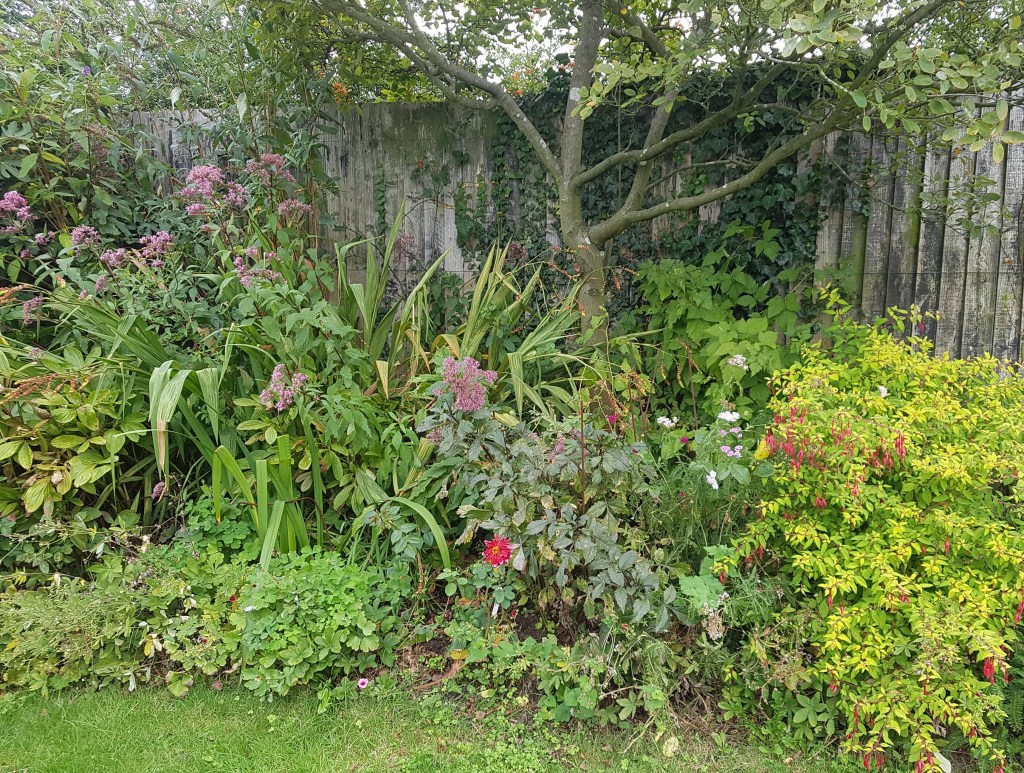
The height of summer is ahead and although there’s still plenty to do, don’t forget to make time to enjoy the fruits of your labours with a cool G&T (or tea or fizzy water) in the sun. For me, that means seeing lilies and balls of blue agapanthus that have taken over from spires of delphiniums, while clematis and dahlias are showing variety of colour and form in every bed and border.
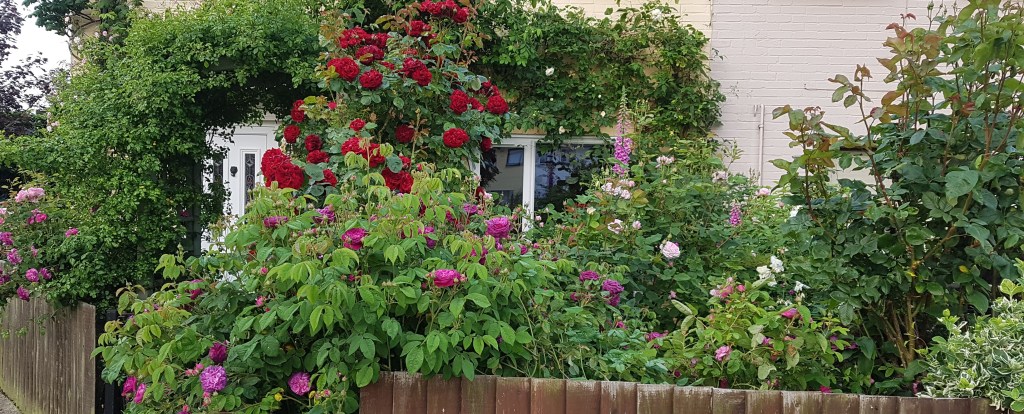
As some roses start going over, we probably all know how important deadheading is to keep them going, but you can sometimes encourage a second flush of flowers on delphinium, foxgloves, lupins and verbascum by deadheading them too. Wait until the initial spike has stopped flowering, then remove it and let any sideshoots take over. This works for hardy geraniums too once the foliage starts looking a bit tatty. Just cut them back to ground level for a second flush of leaves and – if you’re lucky – a few more flowers.
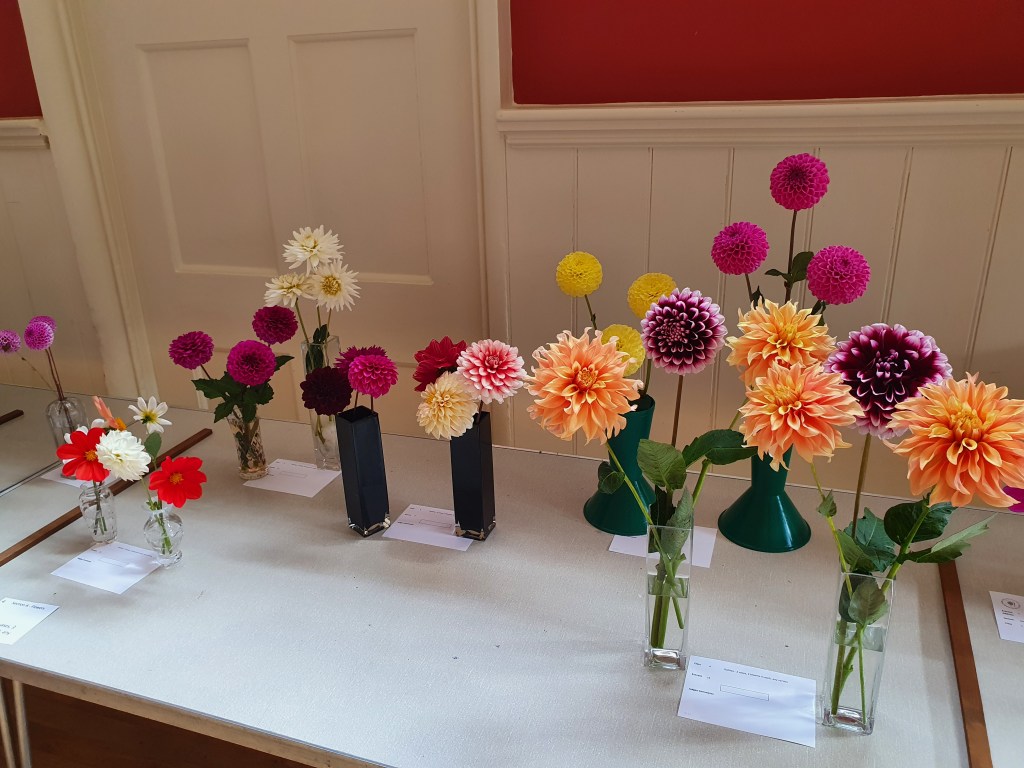
If you’re growing dahlias, then get the best of them with plenty of nourishment: liquid feed and plenty of water. I gave up watering in the heat of last summer and most of my dahlias did very poorly as a result.
Feeding can be key to get the best from many plants (especially if you’re thinking of exhibiting). Nitrogen-rich feed is typically given earlier in the season before buds burst or fruit starts to form, as it encourages greenery, in other words strong stems and foliage. Feed too much of it or too late in the season and you’ll get plenty of greenery at the expense of flowers.
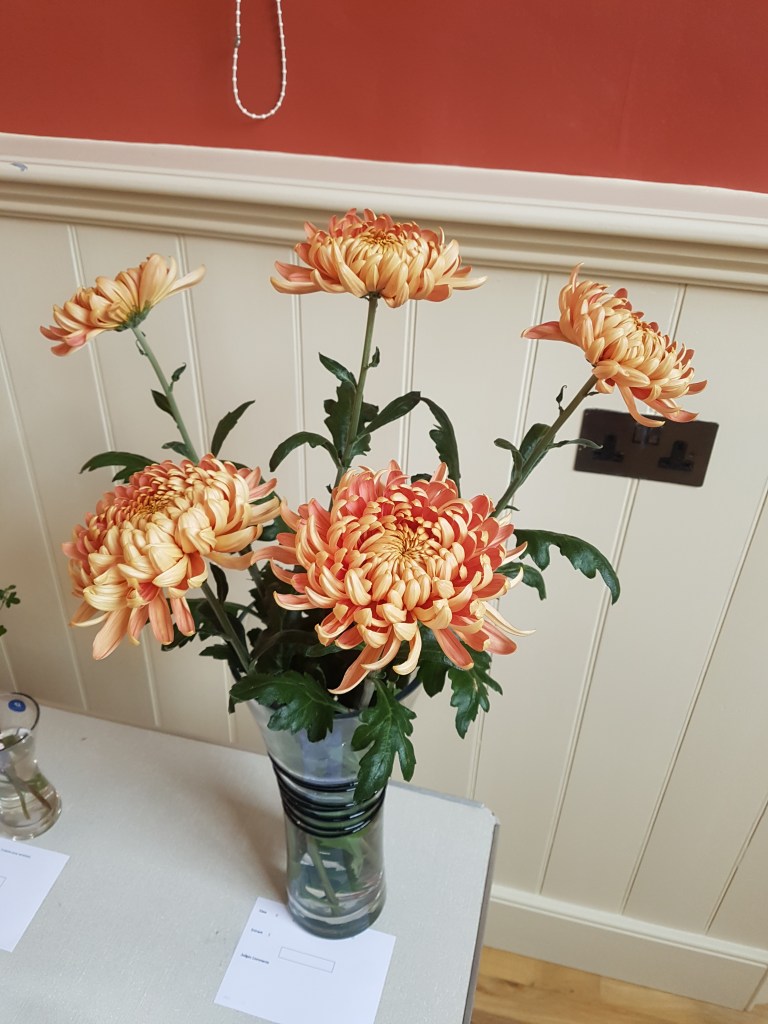
For flowers and fruit, you need a potassium-rich (sometimes also called high-potash) fertiliser, which is great for dahlias, sunflowers, chrysanthemums, tomatoes and, if you’re going to give them a go, cucumbers and melons.
Speaking of tomatoes, don’t forget to pinch out the side-shoots if you’re growing cordon (also called indeterminate or vine) varieties and tie in the leading stem until the fifth or sixth truss of flowers has set fruit, then cut it off. Remove yellowing lower leaves as the summer progresses to improve air circulation.
Cucumbers also need pinching out – two leaves beyond any developing fruit – and remove old cucumbers to encourage more flowering. Train them up a wigwam of canes rather than letting them trail on the ground like courgettes and bury a small plant pot into the soil and water into it. This will help water reach the roots but stop you soaking the stems which can cause them to rot.
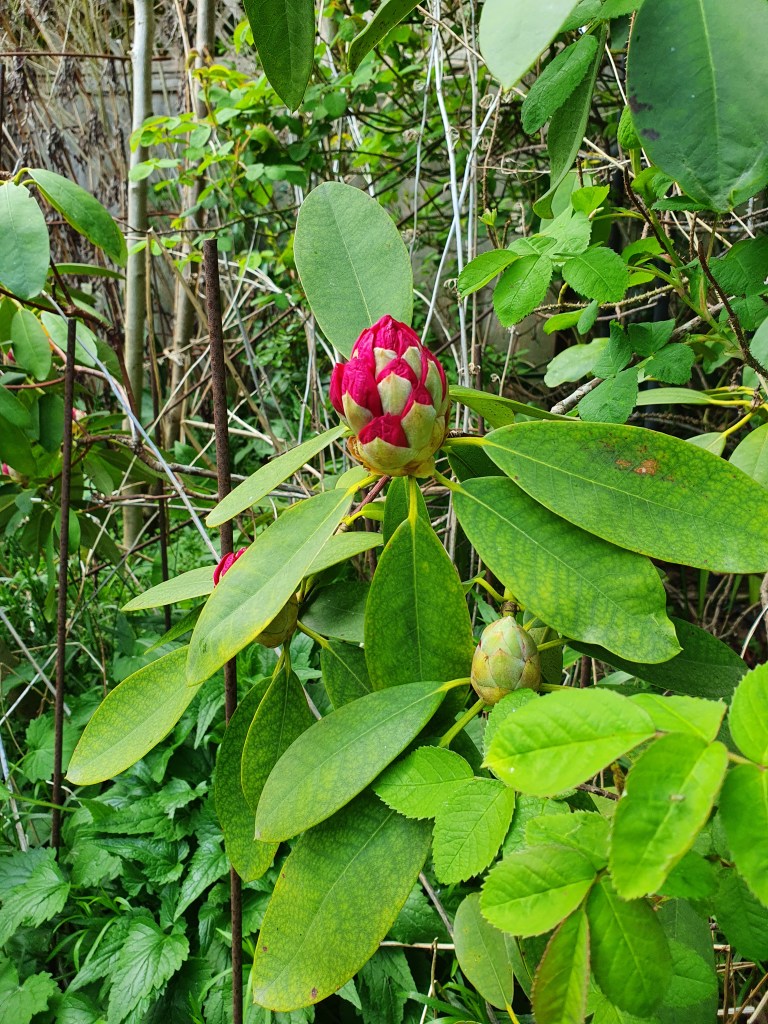
Like dahlias, keep camellias and rhododendrons well-watered over the next couple of months but especially in August when they are forming their flower buds for next spring’s display. If yours didn’t flower well this year, it’s most likely due to drought during the blazing hot weather in ‘22.
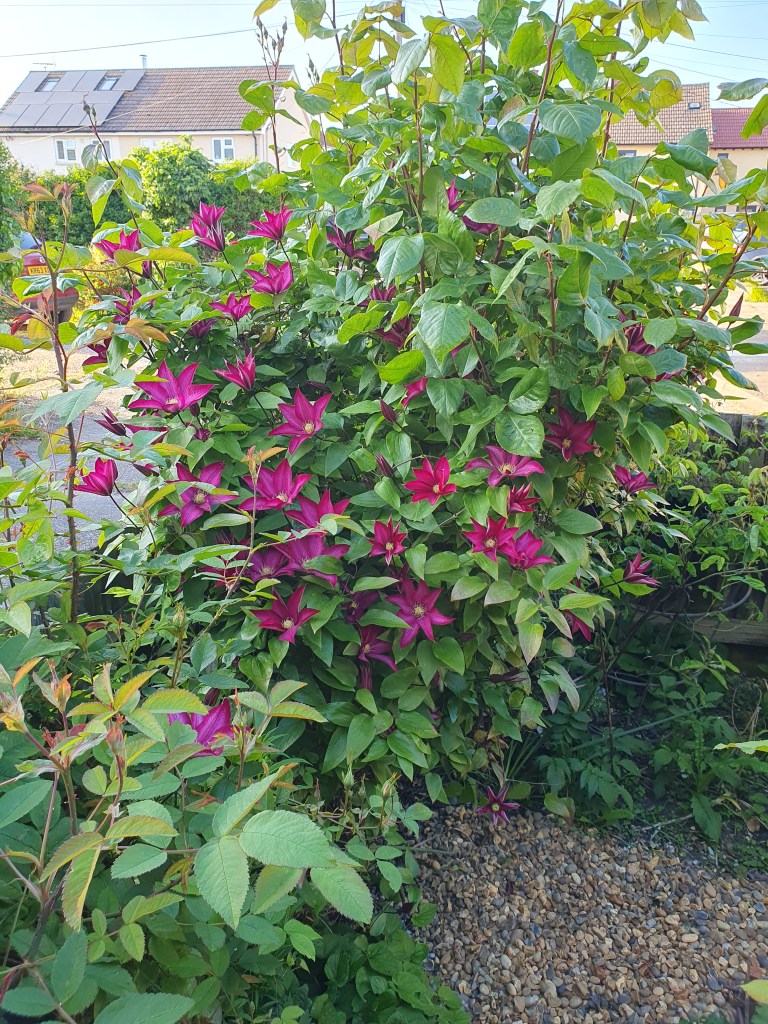
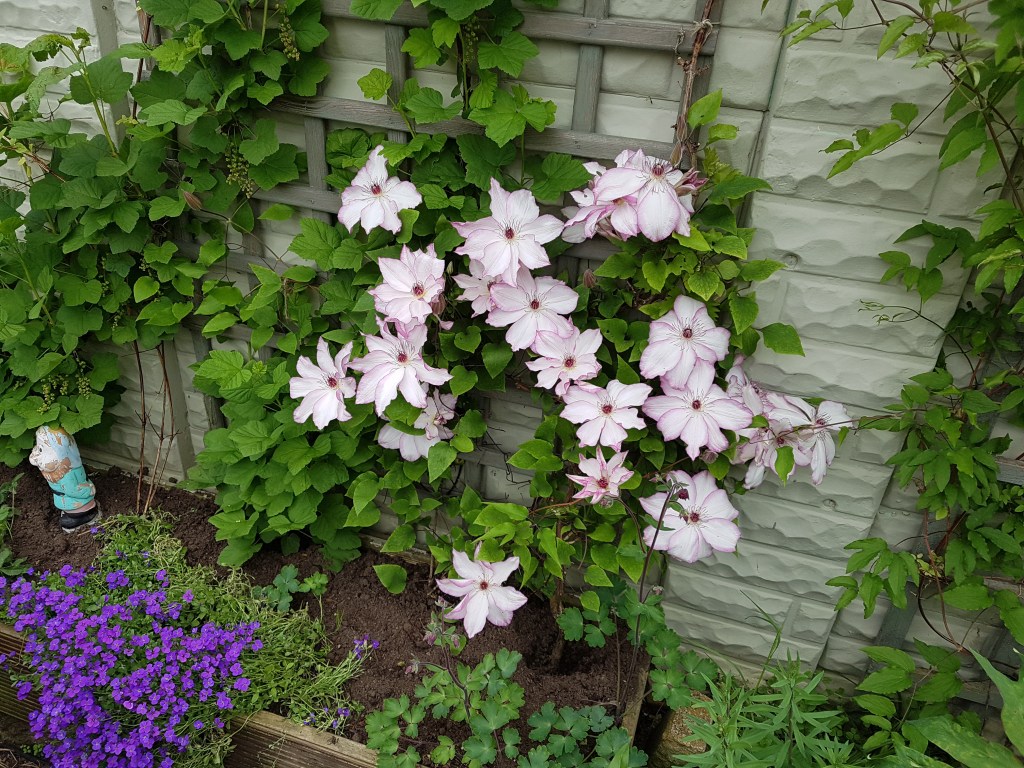
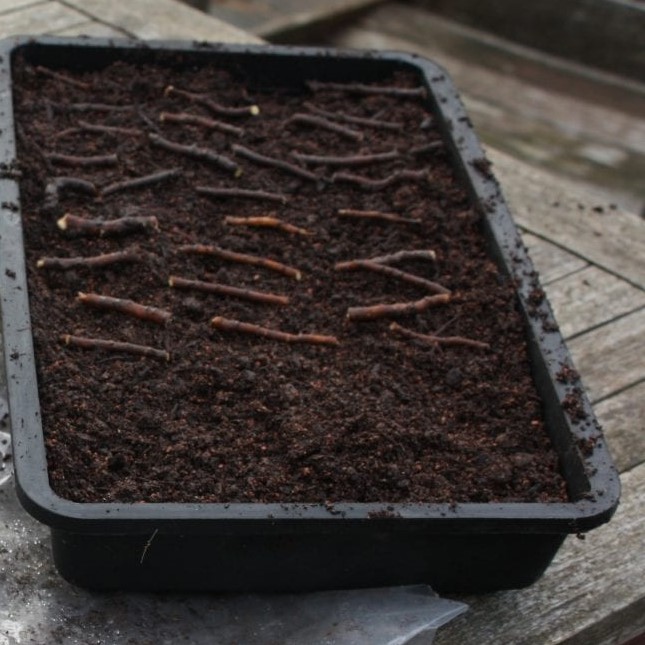
Finally, I’m going to try taking clematis cuttings after we were donated a couple of beautiful home-grown plants at our Plant Sale this year. If you want to try your hand at it, July is a good time to cut off a long piece of this year’s growth (ideally non-flowering) and create sections about 8-10cms, each with a pair of leaves (you might see tiny buds nestled between leaf and stem). Trim each cutting immediately above the pair of leaves and about 3-5cm below. Insert the stem into the compost so the point where the leaves meet the stem rests on the soil surface. Keep the cuttings moist and in humid conditions (a propagator or plastic bag is ideal) and once successfully rooted, you’ll see the buds grow to form a new plant.
 Dedham Horticultural Society