Feed, divide, sow

Spring is here and there’s green everywhere! Spring bulbs are in full flower now and my bees will be taking advantage of every warmer, sunny day to gather pollen and nectar as their colony starts growing. But don’t get too confident, as it’s very possible that a cold snap could set everything back again, so have some horticultural fleece at the ready for anything tender.

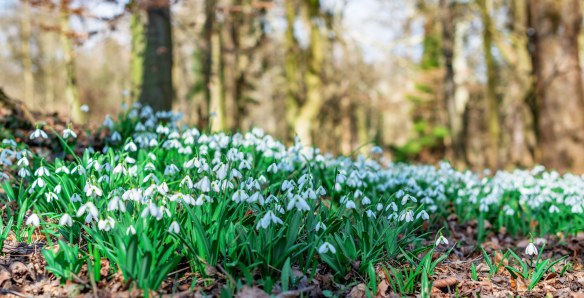
If your snowdrop clumps are getting too big for their space, it’s a good time to divide them once they’ve finished flowering. Dig up part of the clump – roots, soil and all – and drop it into another spot. Snowdrops transplanted like this, ‘in the green’, perform better than if they are planted as bulbs in autumn.
You can also divide herbaceous peonies now, just as they’re coming out of dormancy. According to the National Gardens Scheme, doing this every two or three years improves flowering. I’ll try this with one of my larger peonies; digging it up and using a knife to split it so each division has three or four flowering buds at the base. I’ll space them further apart and replant them with those buds just below the surface.

Some of my hostas also need dividing as they are outgrowing their pots. I’ve had to saw these apart in the past as the roots can be compacted and tough, but they quickly recover for a great display over the summer. You can do this with agapanthus, delphinium, primula and plenty of other plants now too.
If you buy dahlias as tubers, you can plant them in your beds about six weeks before the last frosts are expected. After six weeks, the new growth will be coming through, so if you time it right you can get an early start with your plants and protect the new growth from frost damage.

If you lifted your tubers in autumn, you can also start propagating them for more plants. Get them out of storage and pot them up using multi-purpose compost. Choose pots that will just fit the tuber – you don’t want too much wet soil surrounding them as they can rot – and fill them so that the old stalk or the top of the tuber is just above the surface. Water them and then leave them in a warm, light position or in a propagator. Check on them occasionally as they start to put on growth, and they’ll be ready to be planted out after the danger of frost has passed.

Once the fresh shoots have grown to about 8-10cm, you can take basal cuttings. Select a healthy shoot and, using a sharp knife, cut just above the point where the shoot emerges from the tuber and just below the lowest pair of leaves.

Cut off the leaves from the lower half of the stem – they will just rot once inserted into the soil. Pinch out the growing tip and dip the base of the cutting into hormone rooting power. Then push them into a pot containing cuttings compost and put them into a propagator or under a plastic bag supported by sticks. They should root after a few weeks.

If you grow dogwood (such as Cornus alba ‘Sibirica’) or willow (try yellow Salix alba var. vitellina ‘Britzensis’) for colourful stems in winter, it’s time to cut them back at the end of this month to just above ground level. This will stimulate fresh growth over the season, which will give you the most colour by the time winter rolls round again.

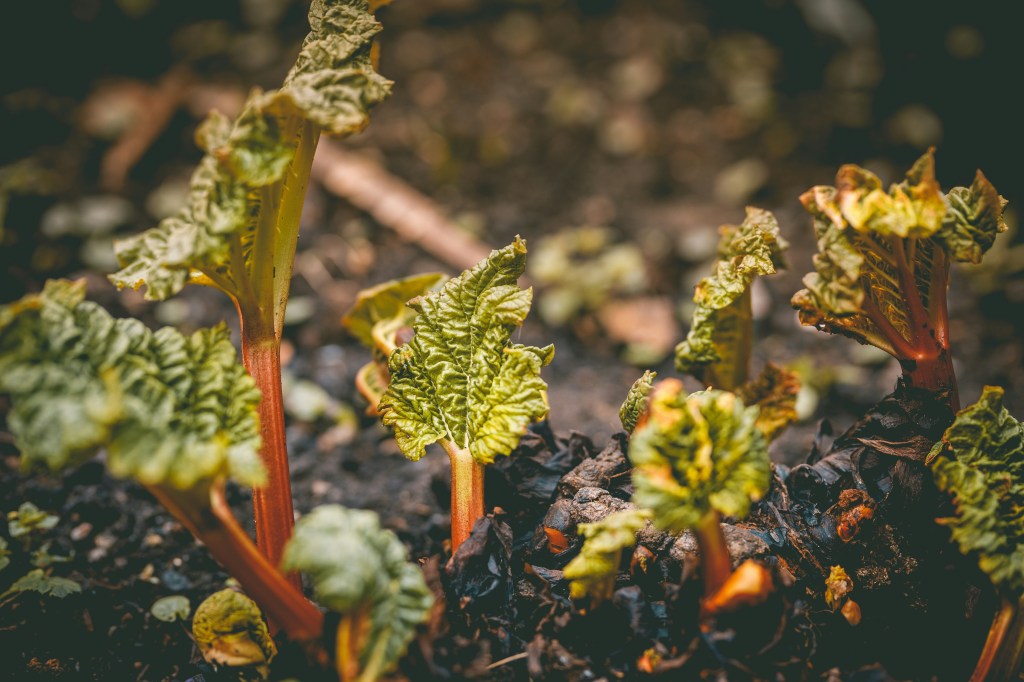
Having cut back and pruned my roses last month, March is the time to feed them with a slow-release, granular fertiliser forked into the soil around them. I’ll also give my rhubarb plants a high-nitrogen feed like sulphate of ammonia or chicken-manure pellets, so I can harvest the first stalks next month.

Finally, I’ll get my plant supports into the beds and borders: getting stakes, tripods, grow-throughs, wigwams, hoops and fluted peony supports into the ground now, as well as trusty twine, will ensure they get hidden by the plants as they grow.
Happy New (Gardening) Year

I hope you enjoyed the festivities and that any events (say games night) brought you together for plenty of fun and just the right amount of competitive spirit. Winters being what they are these days, the garden is already alive with pops of colour with plenty of plants flowering their little hearts out right now.

Bulbs like snowdrops, crocus and iris reticulata are competing with the hellebores, primroses and primulas, while over them shrubs from mahonia and forsythia to pussy willow and hazel are offering up pollen and nectar to early-emerging pollinators.

If you’re looking for something to do (I know you are), February is a great time to prune roses and give them the best start to the year ahead. Make sure you use your sharpest secateurs to make the job easier and for cleaner cuts that cause less damage to the plant. Have some loppers and maybe a sharp pruning saw to hand for thicker stems (if you have to strain to cut with secateurs, switch to a bigger tool). Don’t make random cuts; always go back to something – just above a bud, leaf or the joint with another stem.

Roses are pretty tough, so don’t worry too much about how you prune them. You might get a bit of die back or lose some flowers if you cut at the wrong time, but pruning is unlikely to kill your plants.

Bush roses hybrid teas (large-flowered) and floribunda (cluster-flowered) flower on the current season’s growth, so prune them hard now. Remove all weak, wispy, damaged or crossing stems first. Then take back anything that remains to form an open bowl or cone shape. I know some who traditionally cut hybrid teas back to 60cms each year and RHS Wisley aims to cut out all three-year-old wood in favour of younger more vigorous growth.

Shrub roses have a wide range of varieties and need very little pruning. It’s fine to do these now too and you can even whip over them with a hedge-trimmer or shears, though I quite like the zen-like use of secateurs. You can also cut them back in late summer once they have finished flowering.

Then there are the true climbers, flowering from early summer to autumn with single large blooms. Aim to remove about a third of the plant – the oldest, woodiest stems – to maintain a framework or long shoots trained horizontally so side shoots (which carry the flowers) break from them come spring. You can do this any time after they’ve flowered but certainly no later than this month. If you do it when the sideshoots have started growing, you’ll cut off flower buds.

Ramblers are also climbers (I know, confusing) but carry clusters of smaller flowers once, around mid-summer. These don’t need a lot of pruning but should be trained and trimmed immediately after flowering as the flowers grow mostly on stems that sprout in late summer.

From roses to grasses – ornamental that is, not the lawn – which are starting to look ragged now. Don’t worry about evergreen varieties, like Stipa gigantea, which just need the flower spikes cutting off at the base at the end of this month or in March, and maybe a comb through with your hands (wear thick gloves) to rake out dead leaves.

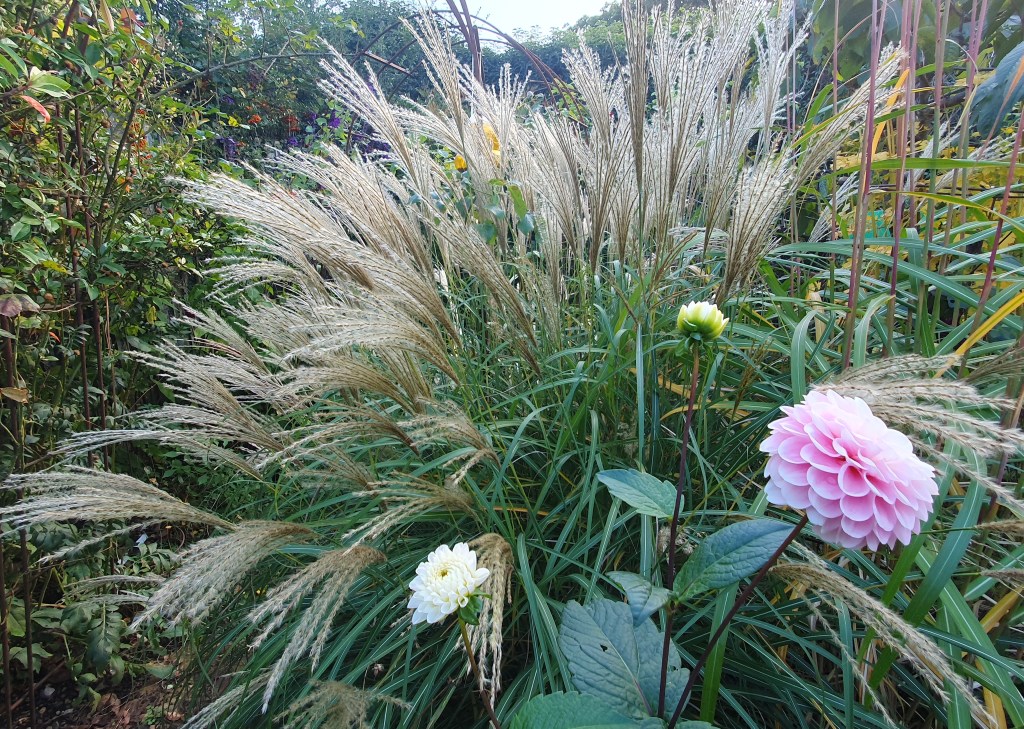
Instead, focus on deciduous grasses – I have Miscanthus sinensis ‘Flamingo’and ‘Malepartus’, and Calamagrostis × acutiflora ‘Karl Foerster’– which should be cut back hard, close to the ground. Right now, the new green shoots shouldn’t be too long but be careful not to cut off any that are emerging. If you want to move your ornamental grasses, wait until late May or early June, when they are growing strongly and will have the best chance of surviving.

I hope 2025 has started well for you all and you are looking forward to the year ahead.

Christmas (and New Year) prep

Happy (almost) Christmas everyone, I bet you think it’s time to get the heating (or a fire) on and cosy up indoors, rather than spend time in the garden or on the allotment. Well, I’m afraid there are still jobs to do and now is the time to get ahead before spring. It’s amazing how you think you have plenty of time, but suddenly everything’s sprouting, and the weeds are taking over.

My gardening is maturing now, and perennials are spreading out; plants that fit nicely in a square metre a few years ago, are now looking overcrowded. The winter months, when many plants are dormant, is a good time to assess the garden’s structure and layout. A border might need expanding (I don’t think I can get rid of any more lawn though), perennials and shrubs might benefit from moving to give them more space, or I’ll adjust for better combinations of colour and form.

With the branches bare of leaves throughout the dormant season, it’s possible to prune and renovate deciduous trees, hedges and shrubs. This includes roses of course, though I usually wait until February to do those, but you can also cut back hawthorn, holly, lilac and shrubby honeysuckle. Cuts made now on Japanese maple trees (Acer palmatum) and silver birch (Betula) will bleed less sap.

While trimming hedges to shape them is better left to late summer or early autumn, dormancy is a good time for more drastic, hard pruning to reduce overall size. You’re aiming to take older, less productive stems back to ground level. Evergreens are better left until spring, while Prunus species (ornamental cherries) and other stone fruit should be pruned in summer to avoid silver leaf disease.

If you’re growing fruit in the garden or – like me – on the allotment, there’s plenty you can do to maximise your crop next year.

Large clumps of rhubarb can be lifted and divided now. Sometimes the centre gets unproductive as the plant spreads outwards, so lifting lets you split it, cut out the middle and replant, enriching the soil first with well-rotted manure. You can start forcing a clump this month by putting it under a bucket, bin or a proper forcer – anything that cuts out light and gives it a little insulation and warmth. You should be able to harvest the lovely, sweet and tender pink stems about seven or eight weeks later. It’s better not to use one of your recently divided plants as they’ll be feeling a bit stressed. Only force the clump every other year, but if you’ve just split your plants, next year you’ll have another ready to go. Handy!

Although they can last longer, it’s been a decade since I first planted my raspberry canes on the allotment and, given a couple of challenging growing years, I think they are beginning to lose productivity. So, I’ve treated myself to some more canes. I’ll dig out the old canes (which are pretty shallow rooted so won’t take long) before digging in some well-rotted manure and planting the canes about 45cm apart, firming them in well. Then I’ll mulch with some good garden compost.

If you like a gooseberry (and – if you remember the A-Team – who doesn’t like a gooseberry, fool), keep them productive by pruning now. Cut back stems crowding the centre and establish a good framework, then prune back sideshoots to three buds. Blackcurrants will benefit from removing about a quarter of the oldest stems as younger shoots will bear most of next year’s fruit.

Get just a few of these jobs done and – though it won’t seem like it at first – consider the improvements to your plants a gift to yourself.

Merry Christmas everyone and Happy New Year.

Seek out the last little jewels of colour in the garden this month

I should be clear, this is not my favourite time of the year. The seasons have definitely turned and with the clocks changing, I rise and finish work in the dark. It’s getting chillier and I refuse to have the heating on until my fingertips turn a kind of greyish colour (a nice fire is better anyway).

My mood – like my garden – feels worn out and bedraggled and generally un fun. One antidote – apart from a fire and the cosy hot water bottle of a Scottish terrier on my lap – is a bit of retail therapy: like a quick trawl through the end of the bulb sales for some cheery tulips at bargain prices.

Or I’ll take advantage of bare-root season (typically November to February) to add more roses to the borders. You can usually find a much wider range available as they are often lifted and despatched fresh from the field (rather than vying for limited space on a nursery display bench). They are usually better value for money and they take better too.

Don’t be disappointed when they arrive. They won’t look like much: twiggy, cut back and with damp muddiness around (bare) roots, but with a bit of a soak and planted quickly, they’ll take advantage of any milder spells to get their roots down and will be ready to suck up nutrients and burst into growth as soon as they sense spring.

As I’m giving a light prune to taller and more vigorous roses to prevent damage by windrock, I’ll take hardwood cuttings this month. They don’t always succeed as a lot of roses are grafted on onto the roots of stronger plants, but it’s very satisfying when the magic does happen.

Look for fairly recent growth that hasn’t flowered and is about the thickness of a pencil. Cut straight across just below the point where a leaf meets the stem (called a node), then – about 15cms further up (about the length of your secateurs) – cut diagonally just above a leaf node. The diagonal cut doesn’t really do anything to help rooting, it just reminds you which is the top of the cutting, so you don’t plant it upside down (upside-down cuttings definitely won’t grow).

Put the cuttings around the edge of a deep plant pot – you can dip them in some hormone rooting powder or gel if you like, but it’s not essential – making sure to leave enough space at the bottom of the pot for the cuttings to grow roots. Find an out of the way spot and leave them to get on with it. Check on them every month or so, especially if it hasn’t rained, so they don’t dry out but don’t expect to see much action until later in spring when you’ll hope to see some signs of fresh growth. I usually leave mine untouched for 18 months or so, pulling out any that die and keeping the pots watered through summer until I’m ready to pot each cutting on individually.

As well as roses, plenty of shrubs can be propagated this way; try Cornus, Euonymus, Hydrangea and Salix as well as fruit bushes.

With dahlias done and frost blackening the foliage, they’re cut back, their tubers lifted, and I fill the gaps they leave with tulips. I bury the bulbs good and deep – deeper bulbs mean stronger stems apparently – and I can then drop dahlias in on top of them come the start of summer as the tulip foliage dies back.

I take pleasure in anything still blooming right now and there’s still some colour in places.

A few sheltered spots shine with shockingly pink trumpets of Salvia microphylla ‘Cerro Potosí’ or the sumptuous, glowing purple Salvia x Jamensis ‘Nachtvlinder’. These shrubby salvias tend to be hardier than some of their cousins and mine usually make it through the winter. Don’t cut them back until spring and their shrubbiness will give some frost protection to the delicate crown at ground level.

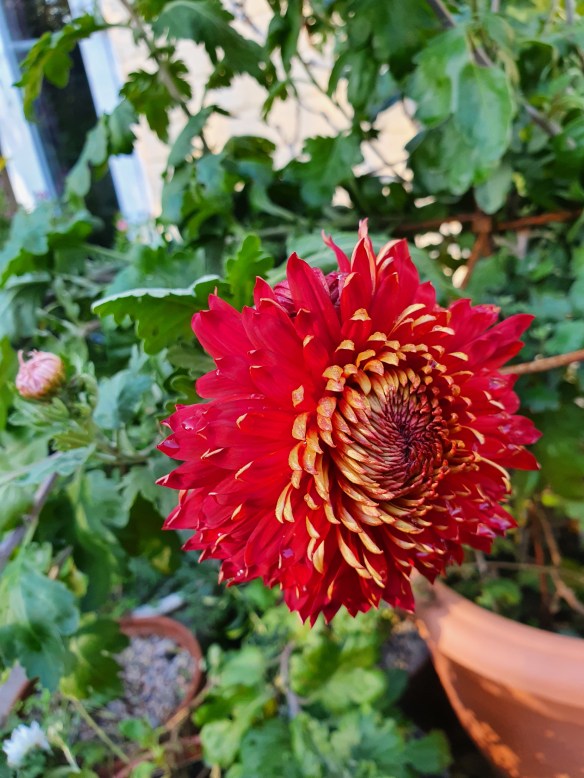
Chrysanthemums are also a slatwart at this time of year. Maybe you’re growing the bigger bloomed varieties under glass, but hardy spray types are giving it their all in my borders. I have an unidentified small-flowered pink variety that looks amazing and clumps up rapidly to put on a great display every year.

Whatever is still flowering in your gardens, do try and get out to enjoy it before everything gives up for winter and we pack in the gardening in favour or fires, heating and a toasty Scottie or two.

Winter is coming; let’s go!

Well summer is well and truly over, and the days are getting cooler and shorter, but there is still plenty to do in the garden before wetter and more wintery weather makes it harder to be on or working the soil.

I still have some dahlias flowering and with continued deadheading they may carry on into November, before the first proper frosts blackens them and I have to cut them down and decide which ones to lift. Plumes of Miscanthus grasses glow red and silver in the sun, alongside asters and sedums giving bees the last of the nectar to turn into winter stores.

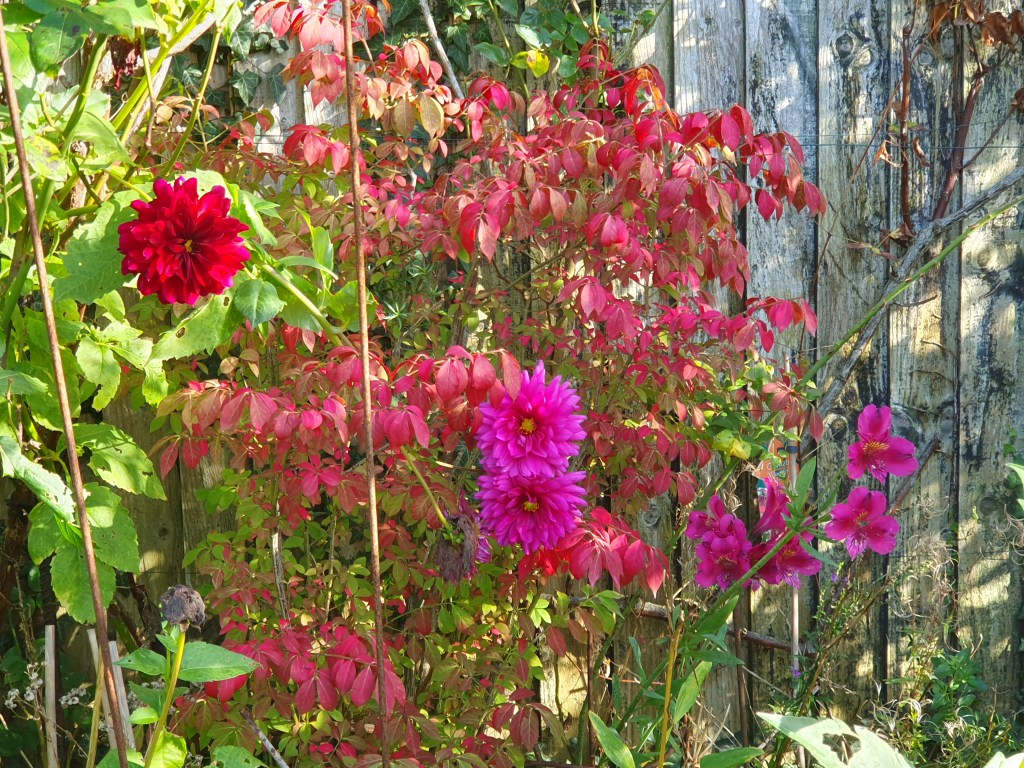
Although the chill may be ending some perennial flowers, it’s also turning my Euonymous alatus – the winged spindle or burning bush – shades of deep pink and red. Last year, I even had some grapes on a vine in the middle of the month.

You can be getting ready for a colourful spring by getting your bulbs in now. Get daffodils in as soon as you can but tulips will be better off if you plant in November as the colder weather will provide some protection from tulip fire (which sounds very dramatic and means brown spots on flowers with withered and distorted leaves). Plant bulbs to three times their own depth: the deeper you plant the better protected they are and the more likely they are to return.

The planners among you may be looking ahead to our Spring Show in April and thinking about what daffodils to exhibit. Search ‘daffodil’ on our website for a brief article on key classes so you can buy bulbs to match.

I’ll start preparing my pelargoniums for overwintering indoors, which basically means protecting from frost, reducing watering as the plants go dormant, and maximising the amount of light they get. Botrytis cinerea can be the biggest problem as winter plants need good air circulation to prevent this grey mould, so I avoid wrapping them against frost, spacing plants well apart instead. As things are never certain, I’ll also take some cuttings and bring them on in a heated propagator.

If you have a fruit and veg patch, you might be cutting back the fruited canes of summer raspberries and tying in the green canes that grew this year for harvest next. I’ve several clumps of rhubarb in the garden and on the allotment and I’ll check to see if any are congested and need dividing by digging them up and splitting them with a sharp spade. Chuck any that look past it and replant the rest.

I start raising the blades on the lawnmower this month and will trim when the weather is drier. I also run my electric scarifier over it to lift the thatch and dead grass that has accumulated from the summer months. I’ve really reduced my lawn to expand my borders, so it’s more likely that I’ll get round to spiking it with a fork to loosen any compaction and improve drainage. When rain is forecast, I’ll spread some autumn lawn feed and maybe some seed mixed with a bit of compost to revive it a bit.

There’s plenty to do this month – so let’s go!