“All the world sweats with the bead of summer in its bud”

April can be a busy month in the garden. We’re halfway through spring now, the garden has woken up, and everything seems to be waiting to burst into the peak of its beauty.
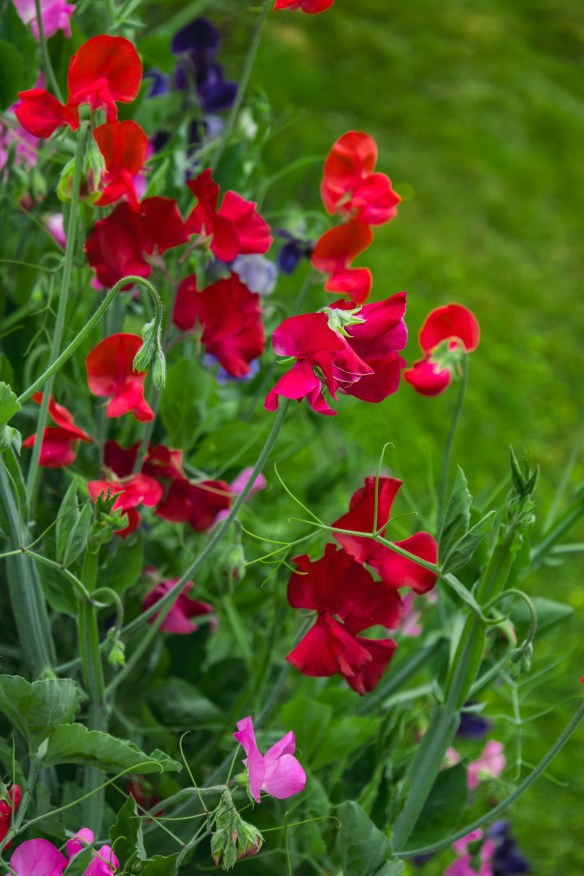
Sweetpeas – credit Sara Kozak_Unsplash

The greenhouse is getting full now and I’ll need to get small plants out of it as soon as I can to make room for the melons, cucumbers and dahlias that need a few more weeks under cover.

This means hardening off the sweet peas that are now several inches tall. I’ll gradually introduce them to outdoor conditions over a week or so by putting them outside in a sheltered spot by day but put them back under cover for the night. After a week of such treatment, I can plant them into the border, gently tying them to a tall support to scramble up.

Over the Easter weekend I’ll give the lawn a light mow (weather permitting) with the blades set high and apply a high nitrogen spring feed to promote strong growth and help the lawn recover after the winter. The warmer weather means I can also reseed any areas that need it. If it doesn’t rain within 48 hours of doing both, I’ll need to get the sprinkler out.

If you grow potatoes, Easter is also traditionally the time to plant them out as the risk of frost has lessened and the soil is warming. However, with the holiday falling so early this year, it might be best to hang on a couple of weeks.
Last month, I started my dahlias into growth by potting them up, just covering the tubers with compost and giving them a quick water. Then I put them in a frost-free place with plenty of light: an unheated greenhouse or cold frame works well but have some horticultural fleece ready in case of a cold snap.

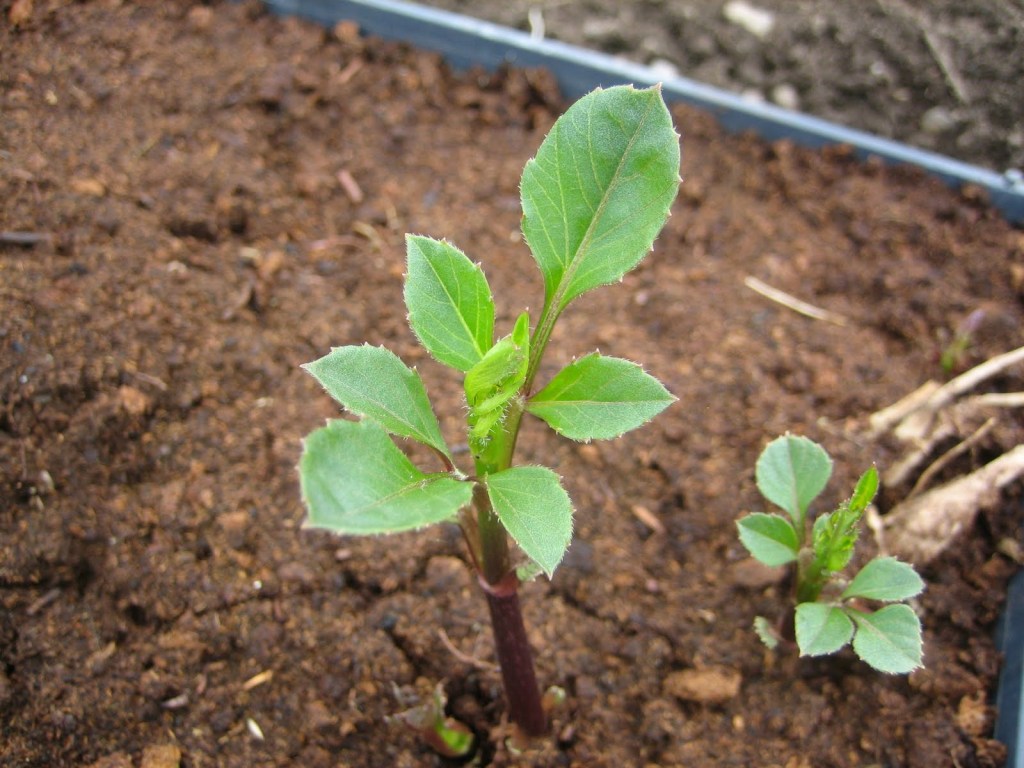
Now that it’s April, lots of my dahlias have put up shoots and you can take cuttings to bulk up your stock. Wait until the shoot is 7-8cm long and push the compost aside so you can see where the stem of the shoot meets the tuber. Then take a sharp knife and cut into the tuber – just under the stem – to separate the shoot from the mother plant. It’s important to take a bit of the tuber with the stem.

Cut away the lower leaves of the stem and if they are large, cut the top leaves in half. Pinch out the very tender tip too, all of which will help reduce moisture loss. Put the cuttings around the edge of a pot and gently firm them in. Give them some water and they should root within 2-4 weeks – a propagator or a plastic bag over the top will help stop them drying out. When you see fresh leaf growth or roots from the bottom of the pot, you know you’ve been successful.

Dahlias can go outside and into beds and borders when all possibility of frost has gone but you can also grow them in pots. If you give them a go, don’t forget to enter our Autumn Show!

Provided shrubs like forsythia, flowering quince and flowering currant have finished doing their thing, I can give these a prune to shape the plant. This will also prompt fresh growth that will carry the flowers next spring.

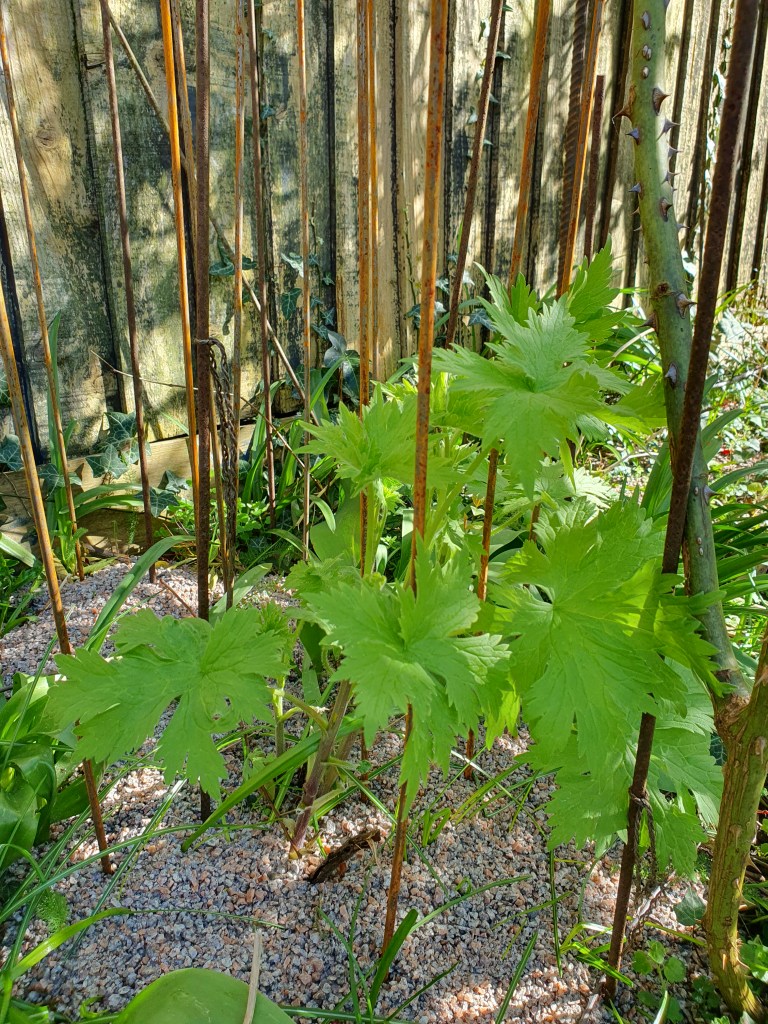
Finally, I’ll start putting a range of supports into beds: peonies will need their cages that prevent the weight of their big, blousy flowers from bending or snapping stems. My tomato plants should be ready to go into the growbags that will hold them all summer and, like them, tall-stemmed delphiniums and lilies will need tying to canes.
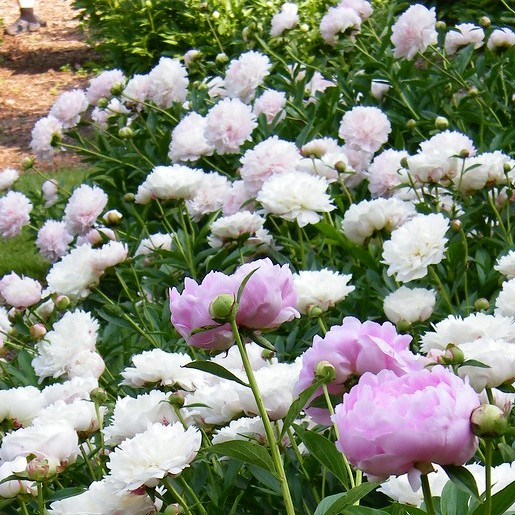
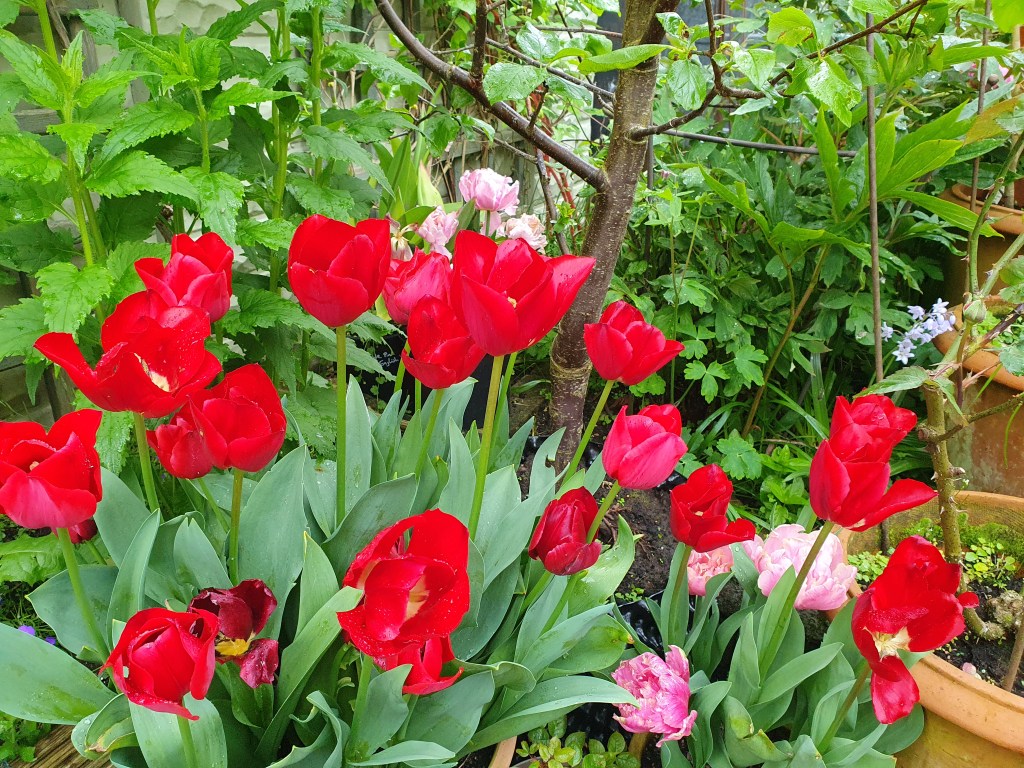
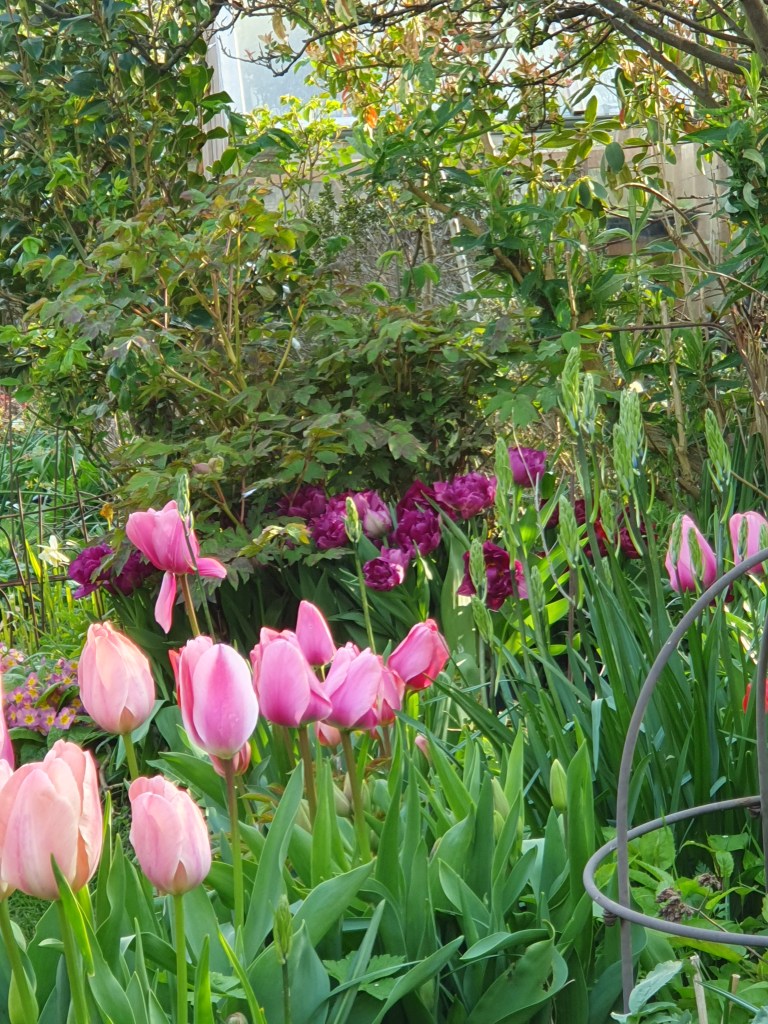
Although there’s plenty to do this month, don’t forget to take a walk around the garden to do some casual deadheading of any spring bulbs that are now going over and to admire everything else that’s happening. From budding plants to the remaining daffodils, tulips and blossom, there’s plenty to enjoy this time of year.
Transition into spring

February is a transitional month in the garden – still very much winter, but full of signs that spring is approaching as the days get longer and the soil slowly starts to warm again.

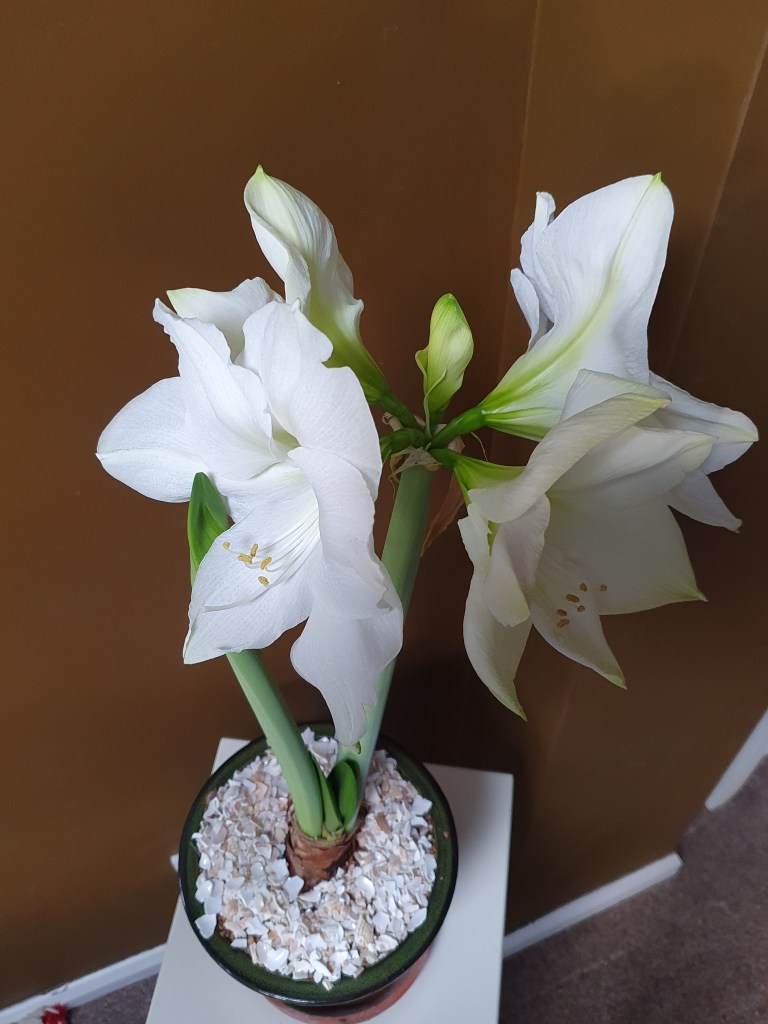
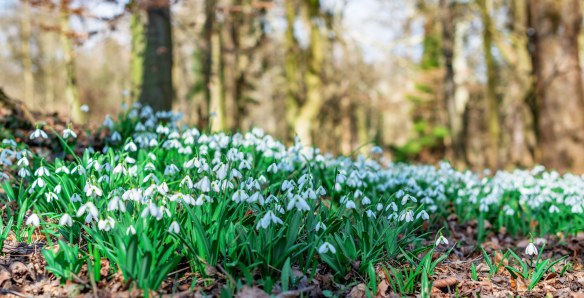
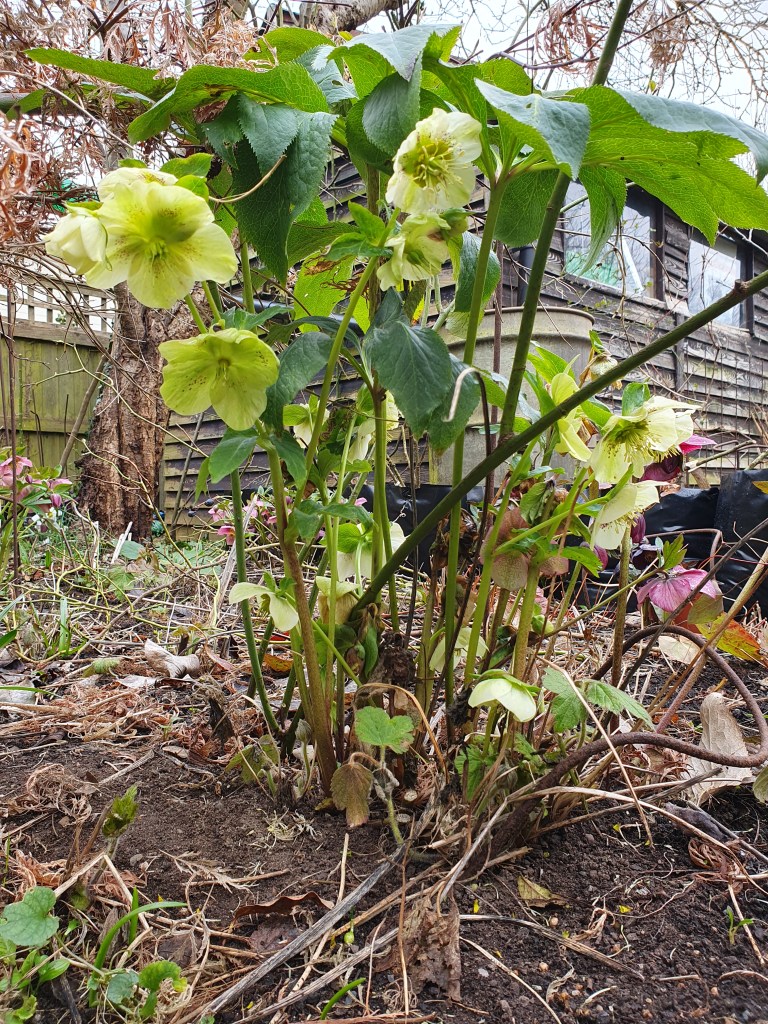
Look around the garden and you’ll find snowdrops, crocus, winter aconites and camellias bringing the first real colour of the year (green doesn’t count). I’m cutting back the leaves of my hellebores to remove signs of black spot and display the flowers to their best advantage. Elsewhere, daffodils are coming into flower, seeming to bloom earlier than ever – one of our members had a daff in full flower on Christmas Day! – while indoors, I’ve amaryllis (left) and forced hyacinths cheering the place up.

If vegetables are your thing, you might still be harvesting the winter cabbages, sprouts, leeks and parsnips that you didn’t eat over Christmas. However, generally February is a great time to shake off the last of the winter lull and begin preparing your garden for the growing year to come.

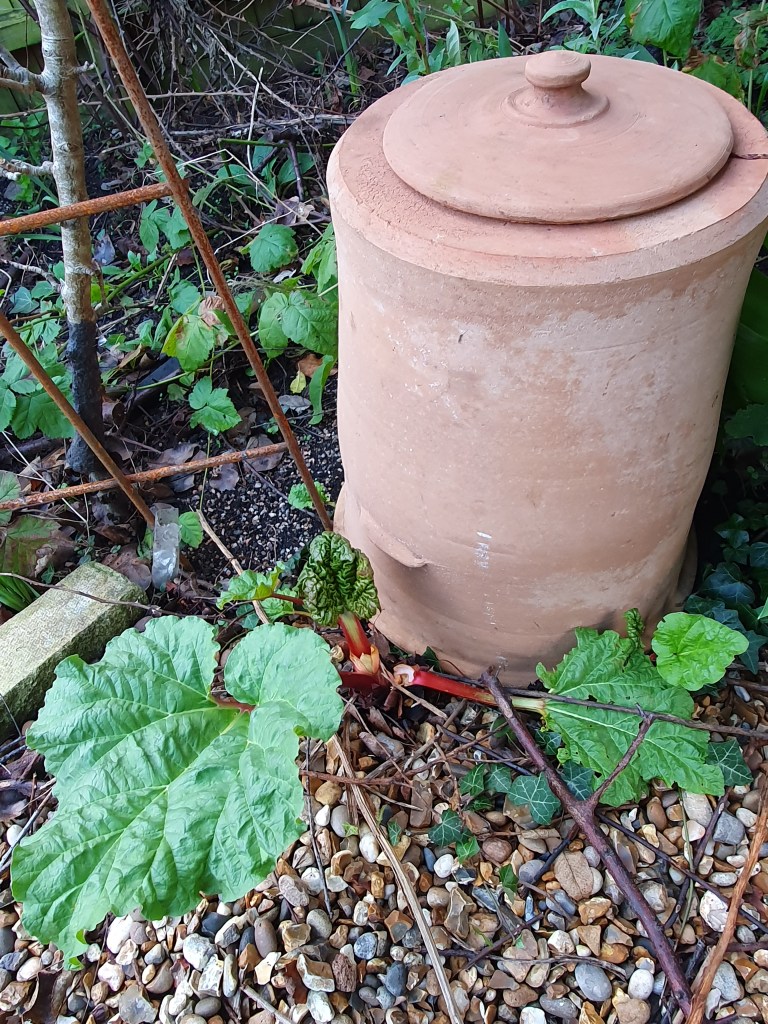
Traditional cottage gardens would mix ornamental plants (grown for flowers or foliage, rather than to eat) with edibles, and rhubarb can look wonderfully architectural among your flowers. It can also be grown in a large pot – just divide it and share it with friends when it gets too big. If you haven’t already done it, early in the month is really your last opportunity to cover the plant with a bucket or forcer (right) to exclude light and grow stems that are a lovely tender and juicy pink. Yum!

There are several seeds worth sowing under cover this month – I have some windowsill propagators that are ideal for starting off my tomatoes – as well as some that can be sown in a tray and left in a sheltered area outside. The latter will usually be hardy annuals, biennials like foxgloves, or perennial seeds which may not germinate unless they think they’ve suffered through a winter season before the rise in temperature encourages them to sprout.

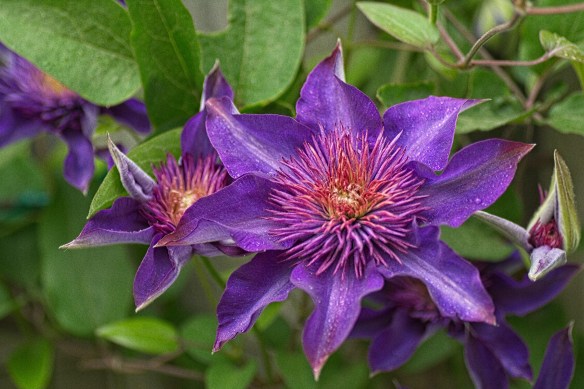
There’s quite a bit of pruning you can do towards the end of the month. I’ve talked about roses in a previous article, but you can also cut back some clematis varieties (the Group 3s) in February. I’ve several in rich jewel tones like ‘Gravetye Beauty’, ‘Rooguchi’, ‘Madame Julia Correvon’ and ‘Niobe’. All flower later in the summer and benefit from being pruned to a pair of healthy buds 20-30cm from the base of the plant.

A flower with purple petals and a mass of purple stamens in the centre with green leaves in the background.

I love them for their different shapes and wide range of colours. Well chosen, you can have a clematis of one form or another in flower throughout the year, but they can take a while to establish. If you’re fond of a rhyme (and who isn’t), there are a couple to help, with the first being especially apt right now: ‘if they flower before June, don’t prune’.

The second gives you some reassurance if you think the plant you put in last year has turned up its toes: “the first year they sleep, the second year they creep, and the third year they leap”. Just give them some feed, try to keep the roots cool in the heat of summer, and don’t accidentally dig them up, and they’ll eventually do you proud.

As part of the plan to rejuvenate one of my borders, I’ll also cut back my deciduous ornamental grasses, the two-metre tall Miscanthus sinensis ‘Malepartus’ which have grown into significant clumps over the last decade. I’m going to divide them and discard any sections that are no longer performing well before replant some of the pieces in other places around the garden. They are great for creating informal screening and creating surprise and interest.

If you have just a balcony, patio or small courtyard, plant lily bulbs now for stunning scented blooms in the summer. If you’re pots and containers have been planted for a while, remember that the soil may have run out of nutrients by now and will need more to grow will in the season to come. You don’t always have to repot them; instead, you can ‘top dress’ which just means replacing the first two inches of compost with fresh and adding a sprinkling of slow-release fertiliser.

Start warming up for spring with a bit of time among your pots and borders this month. It’ll be worth it – I promise!

In the bleak midwinter, frosty wind made moan

A bit dramatic perhaps, but we’ve reached the traditional winter months with their shorter days and darker nights, when temperatures have usually dropped and the wind and wet makes being out in the garden a less than pleasurable experience. For some, bleak indeed.

However, for hardier souls, less trepidatious about a few degrees here or there or a bit of wind, there remain a few jobs to keep the garden at its best.

With many trees and shrubs in winter dormancy, you can give them a prune now. Wisteria is an important one, following up the summer prune (where you cut back those whips to six or seven buds). Now is the time to cut back further to one or two buds – I usually do two, so there’s a spare if one fails. These summer and winter prunes will help wisteria flower well next year.
You can also winter prune apple and pear trees to improve their shape with some judicious cuts (there’s something about being able to chuck a hat – or possibly a pigeon? – through the branches). Otherwise just look for diseased branches or crossed ones which might rub together, damaging bark and letting disease in.

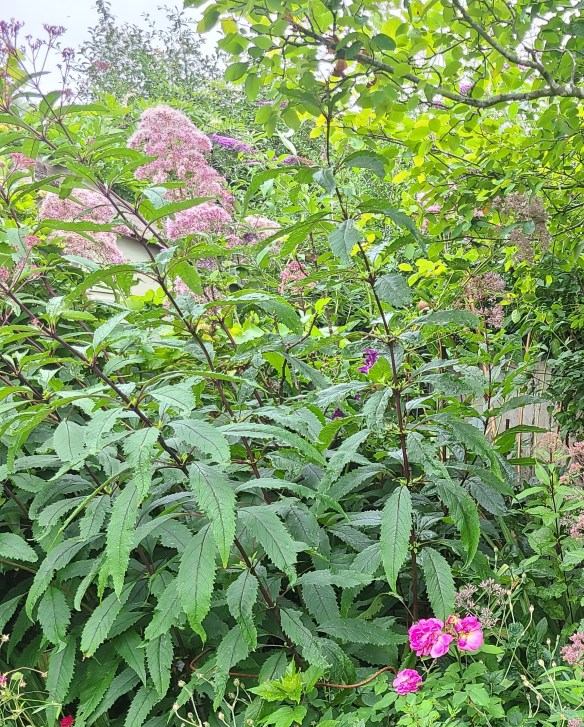
I want to replant everything in one of my larger borders ahead of the new season, so will hope for weather that’s good enough to be digging everything out and putting it into better position. There are some large peonies that aren’t flowering well, which is probably because a few years of mulching has buried the eyes too deeply. Digging them up, perhaps splitting a few, before replanting them more shallowly will help them put on a better show. I also need to move some eupatorium to the back of the border as they reach nearly 8ft tall by the end of summer and are preventing a climbing red rose from seeing the sun.

Provided the ground isn’t absolutely sodden, I’ll be in the apiary; giving it a good weed, turning the compost bins and doing some cutting back while the bees are clustered and much less active. I’ll check they’ve got feed (fondant and pollen patties) in case winter is mild and they need the energy boost after some short cleansing trips out of the hive.

I started forcing some prepared hyacinth bulbs back in October so they should be ready to bring indoors this month, and should come into flower for Christmas, filling the house with their heady scent.

For ‘inside times’ – and yes, there will be plenty of those for me too – there will be fireside trawling through catalogues to see if there is a new plant I absolutely must have. I’ve been inspired by our October speaker from Benton End Flower Farm, so will be looking at seed catalogues for some annual flowers to grow next year, while January is usually pre-orders for dahlia tubers. There’s always room for another dahlia or two surely.

I generally enjoy these months after struggling through October and November when the days get shorter, wetter and windier. Although the days are even shorter of course (and darker) Christmas brings not just sparkle, but also the shortest day and increasing light as the days move towards spring and the chance to be planting and growing again.

While I confess I’m not the first person you’d turn to for the latest wellbeing fad, I am a huge believer in the benefits of gardening. Increasing our exposure to natural light – even on overcast days – can lift the mood. An early riser, I’m glad that morning light is especially helpful for resetting the body clock. I’ve found having two Scottish terriers who insist on an early walk is great for easing into the day.

The gentle physical activity of pruning, tidying and mulching increases circulation and body temperature and gets the blood pumping to combat lethargy. The mild activity also releases endorphins, our body’s natural mood enhancers. Just being outside in nature or tending to natural things (even indoor plants if you really can’t bear to be out) lowers the stress hormone cortisol.

So if you struggle in these winter months, what about getting a feeder to watch the variety of grateful birds that visit your garden or taking a walk in a local arboretum (like the 200-acre one at Markshall) or a winter garden (Hyde Hall, Cambridge University Botanic Garden or Anglesey Abbey are some good ones in the region).

Have a happy Christmas gardeners and see you in the new year.
Last chance to plant to prepare for spring

The days are shorter now and things are quieter in the garden in November. There are still a few things flowering, including deep purple Aster ageratoides ‘Ezo Murasaki’, which is a good height and – unlike some asters I’ve found – has good looking foliage that gives the plants a nice bushy look. The dahlias are done and I’ll dig up my favourites to store this month, but they’ve been replaced by a wonderful, yet nameless, small-flowered pink chrysanthemum which is very hardy and bulks up each year.
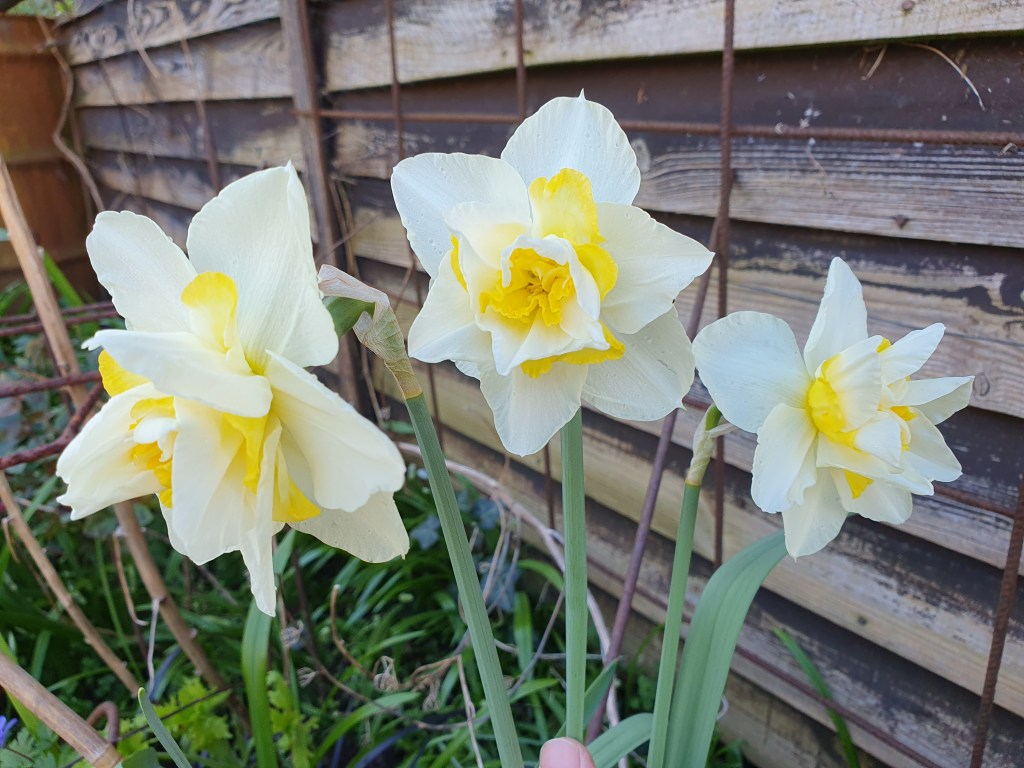
If you ordered some spring-flowering bulbs, they’ll probably have arrived by now and November is a good time to get them in the soil. Daffodils will have been happy going into the ground in October, but it’s better to wait until November if you’re planting tulips. The colder weather and soil will reduce the chance of the plants being damaged by tulip fire which twists, withers and distorts leaves. Make sure the soil is free draining (add some grit if you have heavier soil or clay) and plant bulbs deeply – about three times their height – which will protect them from hard ground frosts and encourage taller, stronger stems.

I like to wait until November so that I can put bulbs into the gaps left when I lift my dahlias. Then when the bulbs have finished around May, I’ll pop the dahlias tubers back in.

As well as lifting dahlias and planting bulbs, of course there are a few other jobs to get done this month.

November is the start of bare-root season when dormant shrubs can be bought more cheaply and you can find a wider range of fruit and ornamental trees, native hedging and roses. Because the top of the rose isn’t growing, the plant can put all its energy into establishing its roots in soil that retains a little bit of warmth, so it has a firmer foundation for strong growth in spring.

Without pots of soil to sit in, bare-root plants may look unimpressive when they arrive; but let them soak in a bucket of water for a couple of hours while you dig a hole big enough for the roots spread out. Make a small mound of soil in the centre for the roots of the plant to sit on then carefully backfill and firm in well.

Prepare your existing roses for winter by giving them a light prune (take off about a third) to prevent damage caused to roots by heavy winds rocking them in the soil. If the plant is too tall, the roots can be loosened and damaged or killed. Also prune late-flowering shrubs like buddleja to reduce their height before the worst of the weather hits.

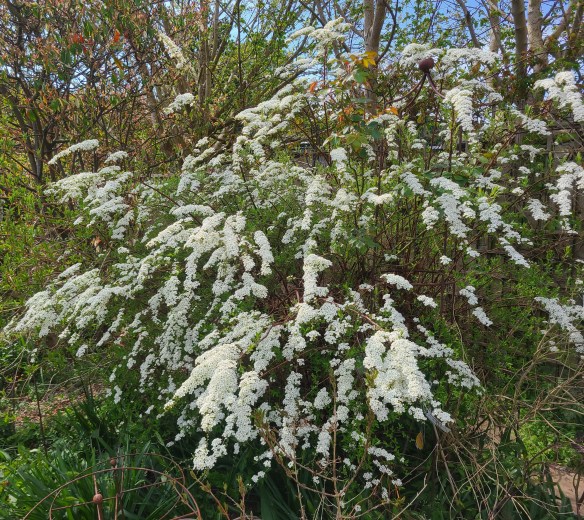
However, be careful not to prune spring-flowering (before June) shrubs like spiraea or deutzia which will produce next year’s flowers on the new growth they put on this year.
If you want more evergreen shrubs – holly and bay trees, cotoneaster, privet and box hedging for instance – this is still a good time to take hardwood cuttings. Choose healthy shoots of this year’s growth and cut into sections 15-30cm long. Use a sloping cut just above a bud at the top and a straight cut at the bottom, just below a bud.

Strip most of the leaves except a set at the very top. Dip the bottom into some hormone rooting powder and insert about two-thirds of the cutting into free-draining compost. I put them in pots so I can put them out of the way and mostly forget about them. Check occasionally to ensure they don’t dry out. You should see some new growth as we head into spring, but they usually aren’t ready to pot on until summer.
After that, there’s only one other job I really have to do – and that’s pick a real Christmas tree for collection and decorating in December.
Happy gardening!

Putting the garden to bed

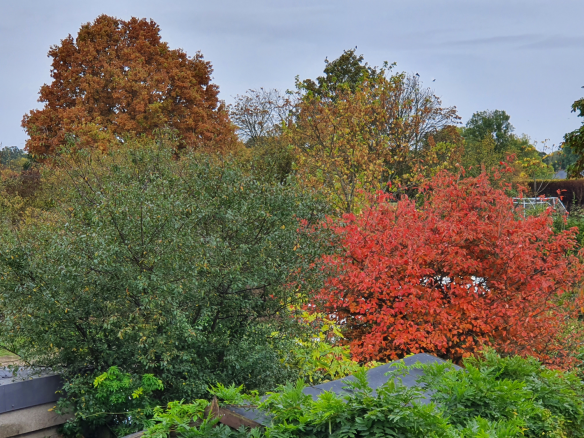
It certainly feels like autumn now with morning temperatures dipping into single figures, September’s equinox behind us and evenings shortening as we prepare to turn the clocks back at the end of this month.

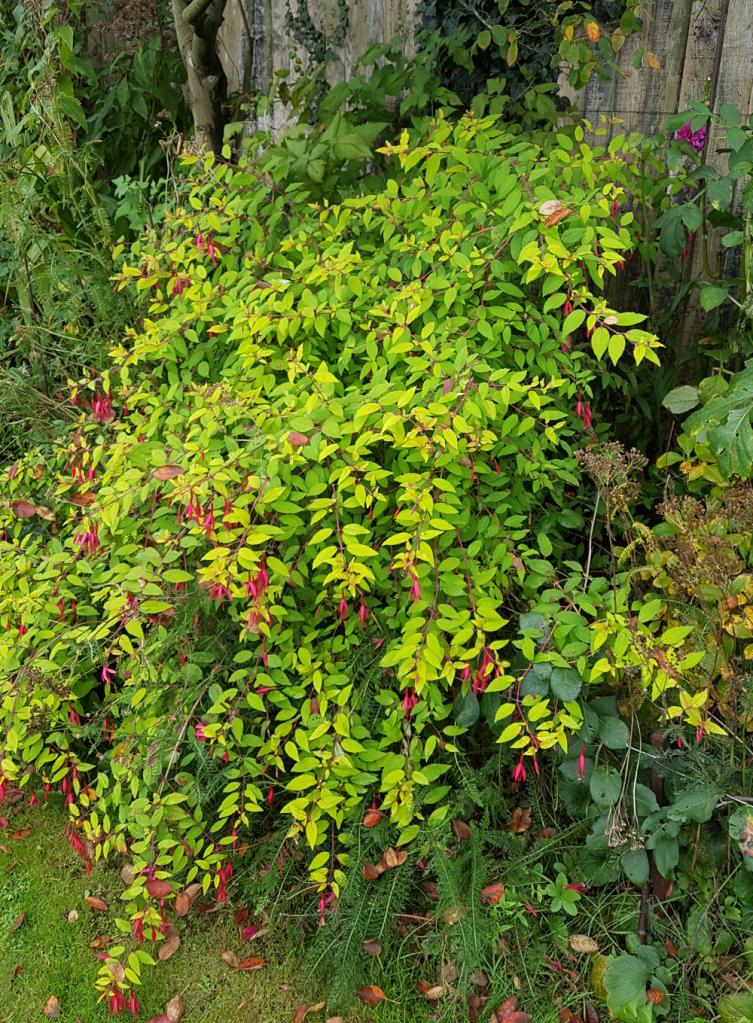
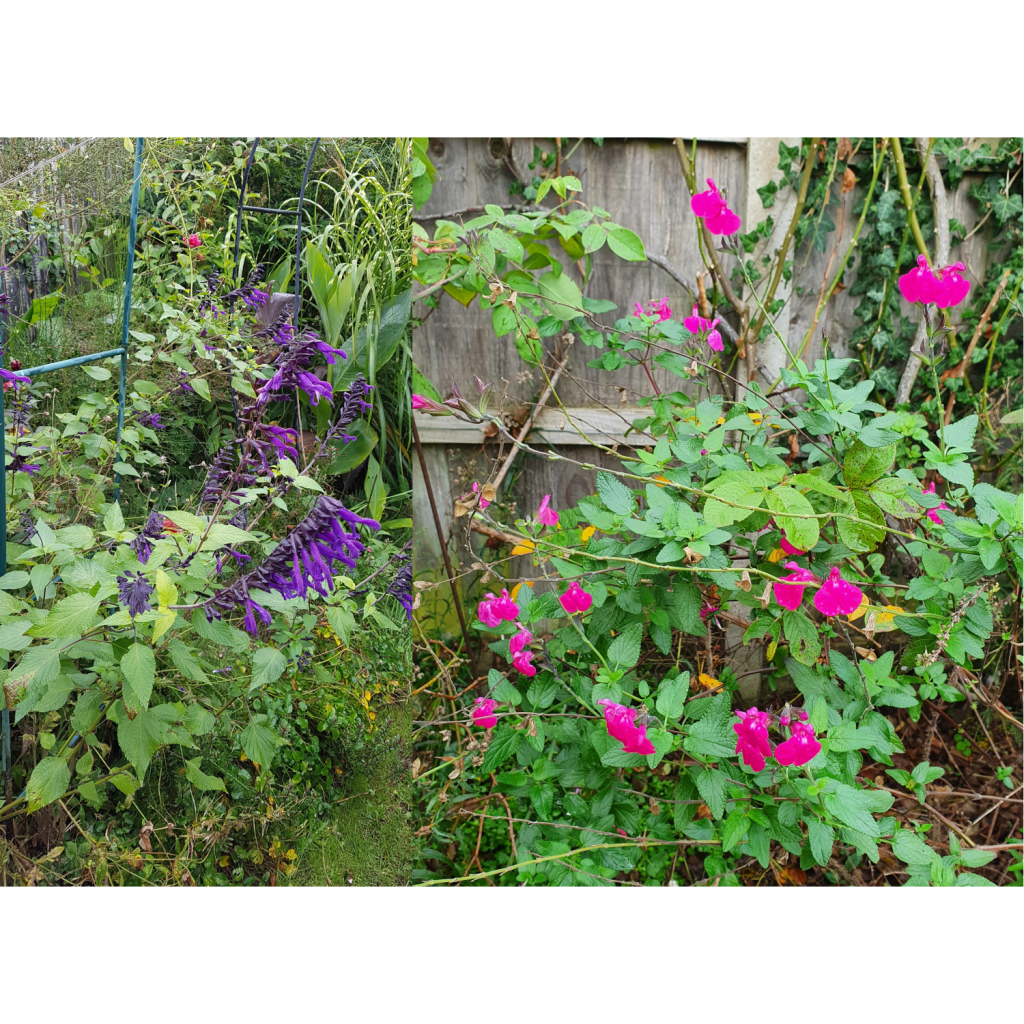
In the garden, I’ve still got a few roses blooming but they’ll fade before the middle of the month, and the foliage of Fuchsia magellanica var. gracilis ‘Aurea’ is a brilliant golden splash in the border with its small flowers like little red jewels. There are the flat, deep pink heads of sedum (now called the almost unpronounceable hylotelephium) attracting my bees and other pollinators, plus salvias – the deep purple and black ‘Amistad’ and the brilliant pink ‘Cerro Potosi’ – cosmos, chrysanthemums and asters all doing their best before winter settles in.

Dedham’s Horticultural Society also began its new season last month with our Autumn Show which was another great success. We welcomed several people exhibiting for the first time (we hope you all enjoyed the experience and that we might see you again) – and what seemed like more visitors on a sunny day in the village.

Autumn brings an opportunity to think ahead for our Spring Show (21 March) by ordering bulbs for classes from daffodils and tulips to hyacinths and more. If you’re puzzled by the different classes, search ‘daffodil’ on our website for some help.

It’s not all sitting about shopping of course, there’s still plenty to do in the garden as the soil is warm and workable (even if the days are shorter and – knowing Britain – probably wetter too). October is all about tidying up and preparation, protection and planting for the year (and years) to come.

Here in my gardening, I’m cutting down most of my herbaceous perennials as the foliage dies back, though I leave some of the sturdier seedheads that might provide food for birds or shelter for over-wintering beneficial insects, like pollinating bees or the ladybirds and lacewings that eat aphids.

I’ve enjoyed growing strawflowers from seed for the first time this year and I’ll take some of the seeds from this year’s flowers to sow in spring. However, it’s possible to sow hardy annual seeds – cornflowers, larkspur, Ammi umbellifers and some poppies – at this time of year as most will make it through winter and actually welcome a period of cold to germinate. You can sow them outdoors where they are to flower or in pots and trays and keep them in a sheltered spot.

As I go through the beds and borders, I’m also checking to see if any of my summer perennials can be divided and planted elsewhere in the garden or used to bulk up existing displays. This works well with daylilies, hostas and geraniums and has the added benefit of making the original plant healthier. Just make sure to replant the divisions as soon as you can and water them in well.

I’ll protect tender plants by moving my pelargoniums into a frost-free space. Last year I tried removing them from the soil and storing them ‘bare root’ but I think the frost still got to them as none made it through, so this year I’ll leave them potted up as they enter dormancy. I also decide which of my dahlias to lift and store over winter. Frost and continually wet soil (clay is the worst) can turn the tubers to mush so I usually lift my favourites. I cut down the stems, wash off as much soil as possible and let them dry thoroughly before storing them in cardboard boxes with crumpled newspaper. Sometimes I give them a dust with sulphur powder which helps keep them dry and prevent fungal infections and mould.

If you don’t want to lift your dahlias, you can leave them in the ground. If it’s free-draining and not in a frost pocket, you can give them a helping hand by dumping a bucket of compost on top of them which can prevent frost from reaching the tubers. I leave some of the dahlias that I grow at my allotment in the ground – the fertile soil is very free-draining and most have made it through several winters.

Finally, I’ll turn the compost heaps (there’s three in the garden and four on the allotment, but my sister loves helping with the latter). I add anything I’ve cut back and add some water if the mix is too dry, before turning older green and brown material to aerate the heaps and speed up decomposition. Some of the older compost is now ready to use so I’ve been using it as mulch on the borders where it will suppress weeds and help insulate plants from the worst of winter.

So make some time this month to get outside and burn a few calories in your garden everyone. Enjoy!

Thinking of exhibiting?

On Saturday, we once again organise Dedham’s Autumn Horticultural Show at the Assembly Rooms on the High Street and encourage everyone to have a go at exhibiting. We’re a friendly show and although it can seem quite intimidating, most people are showing things from their garden and not professional exhibitors!

If flowers aren’t your thing and you don’t have room for fruit and vegetables, why not have a go at a flower arrangement, search your snaps for something that fits our photography classes, or show off your cooking skills. If you aren’t sure what to enter in the flower sections, here are a few tips.

Every class is awarded a first, second and third prize and these are all added up to award trophies for the different sections on the day. This year we have a new trophy just for new exhibitors or people who haven’t entered any of our shows since April 2023. It’s always a thrill to get placed in a particular class and who knows, you might also go home with a trophy to keep until the following year.

You can find the schedule and entry form (get it in or just email us the class numbers you want to enter by 5pm Tuesday 2 September) here on our website. And of course, we hope to see many of you at the Assembly Rooms on the day.

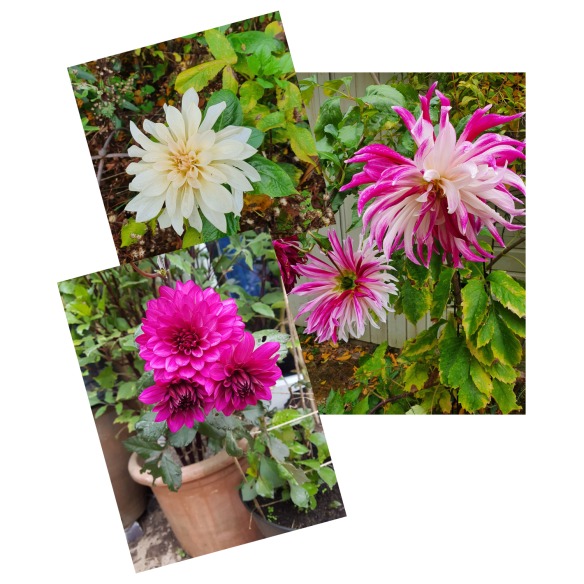
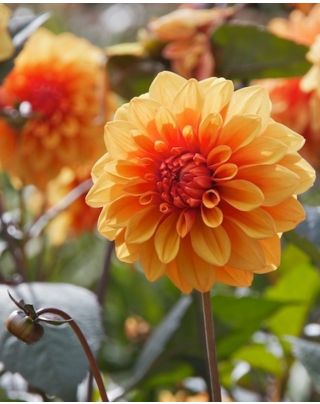
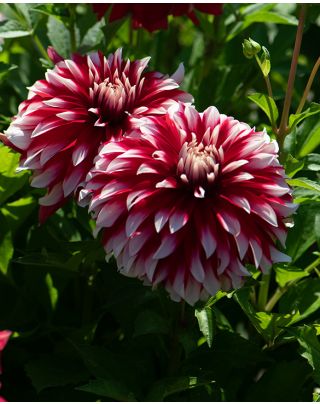
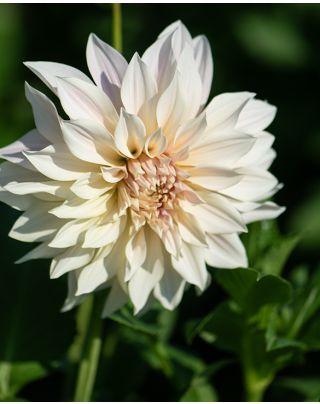
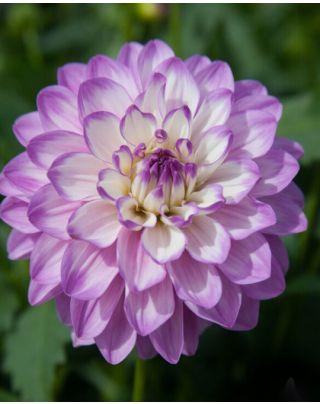
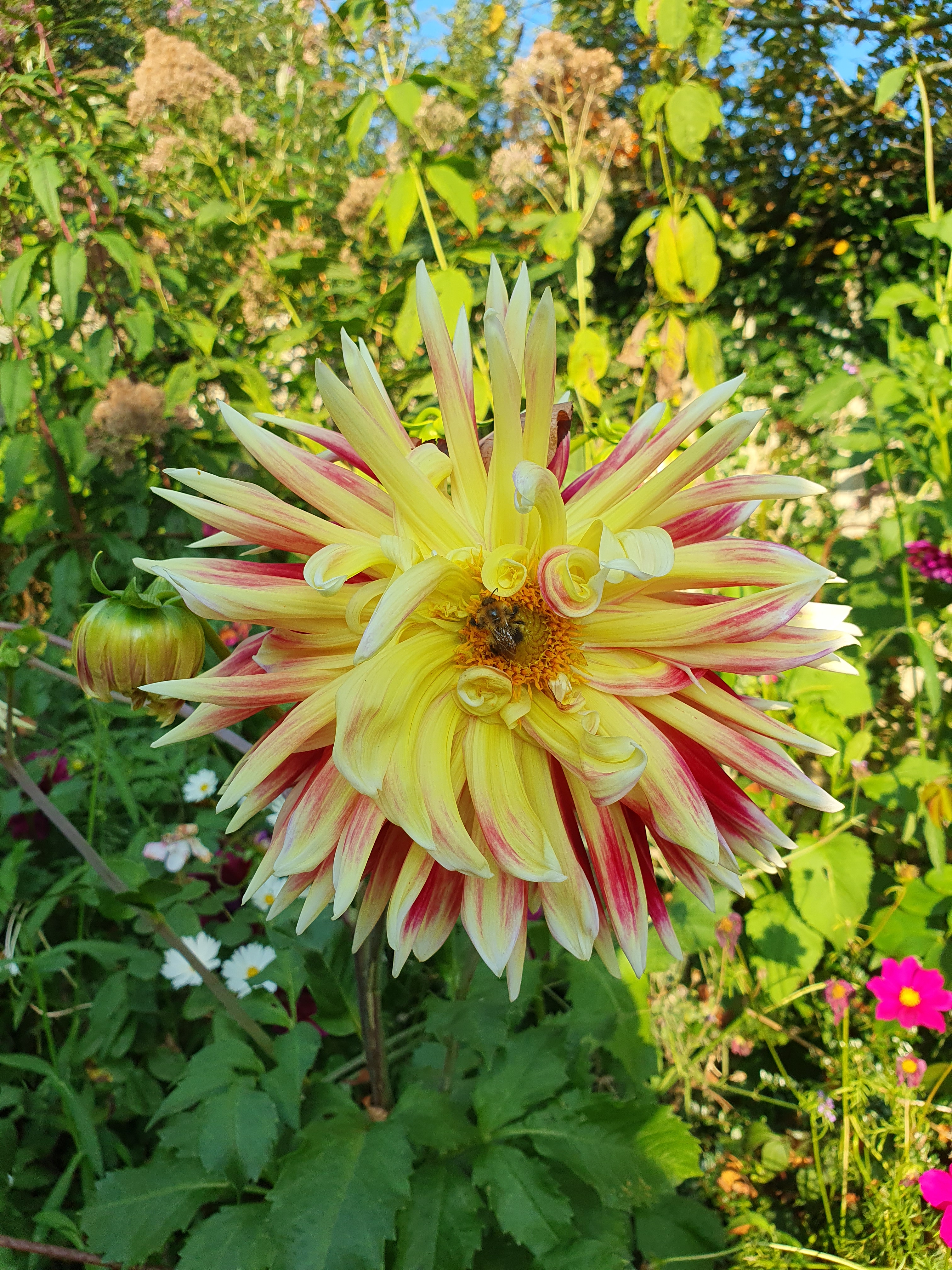
Let’s start with the five dahlia classes. The easiest classes here are Class 1 ‘one decorative-type bloom’ and Class 4 ‘two vases, 3 blooms in each, one or more varieties’. The hardest part of Class 1 is working out whether you have a decorative dahlia – especially if you’ve lost the label and can’t remember the name.

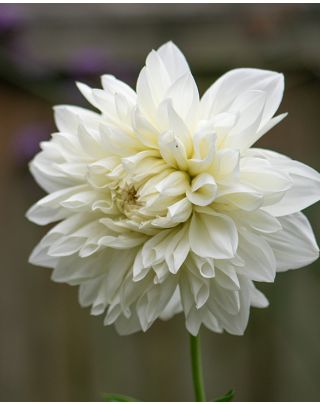
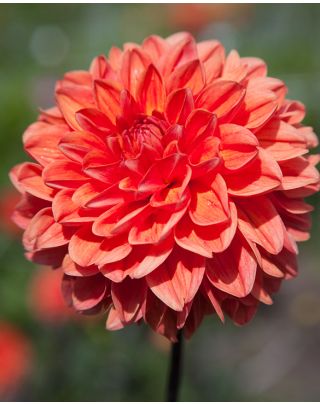
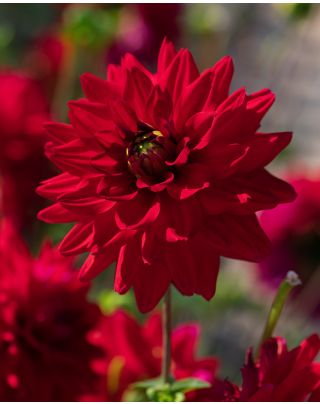
Generally, ‘decoratives’ have large, showy, fully double blooms with wide, flat petals which hide the yellow disc of stamens (where the pollen is) – search online and look at any of the garden suppliers for examples of what they look like. They’re rubbish for pollinators but look amazing in the border. It’s an easier class because you don’t have to make it identical to the others you exhibit.

For Class 4, you just need six dahlias – they can be the same or entirely different – divided among two vases with three in each. Most exhibitors make the two vases identical, but you don’t have to in order to win.

Classes 10, 11 and 12 are also good ones to enter, if you have enough annuals (that die in winter), perennials (that lose their foliage in winter but will come back in spring) and shrubs. I find the perennials easiest as you only need one kind that is big enough to cut five stems – they don’t have to be identical, just make sure they look good – flowers should still be fresh (carefully snip off any that aren’t) and stems as straight as possible.

I sometimes find it hard to find three different kinds of annuals that are still in flower in September but some good examples at this time of the year include cosmos, sunflowers, zinnia, snapdragons, marigolds, bedding plants like petunias, and wildflowers of course.

If you’re better with houseplants, try classes 14 to 18 and bring your cacti or succulents, flowering pot plant (orchids anyone?) or foliage plants (indoor ferns and classics like a philodendron). If you’re not sure what it is, bring it along – we’ll help.

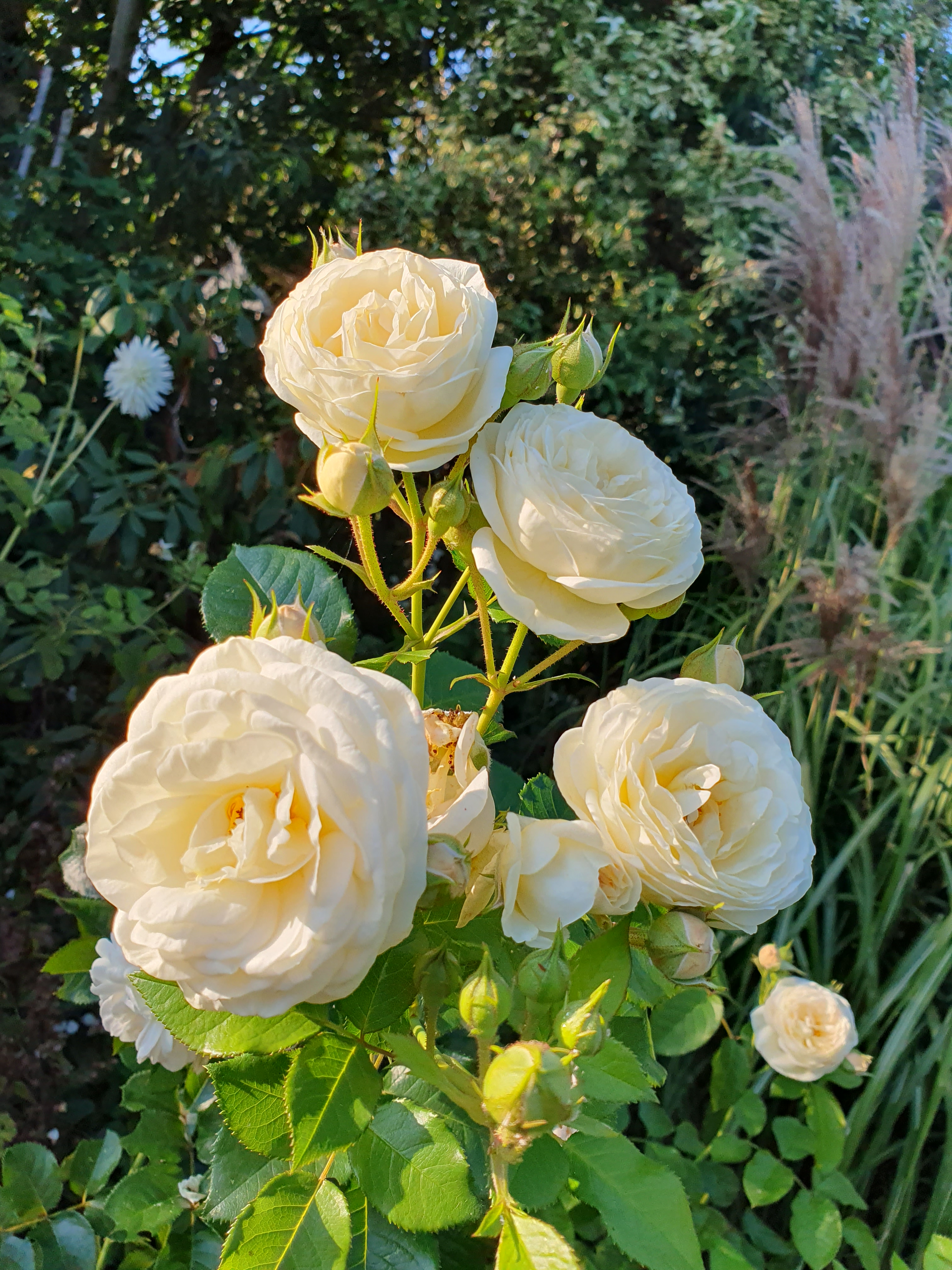
Many of us love a rose and you may have at least one in a container or the garden. A hybrid tea is the classic rosebud shape, usually with a single flower at the top of the stem. A floribunda is also called a cluster rose due to the several blooms clustered together – we typically think of them as having small flowers, but they can be larger. They tend to have little or no fragrance, so no good for Class 21.

It can be hard to decide whether you have a shrub rose, but essentially if it looks like a shrub and doesn’t look like a hybrid tea or a floribunda – and it’s neither a climber or a rambler which shoot up metres-long stems – then it’s most likely a shrub, so chuck it into Class 23. Class 24 is also good if you have enough roses – your vase of five can be any type – hybrid tea, bush, shrub or floribunda. They don’t have to match, just create a display that will impress!

The rose section is hotly contested, but the display always looks (and smells) amazing.

If you’re nervous about exhibiting or aren’t sure which class, do get in touch by emailing us (dedhamgardening@gmail.com) and perhaps we can help. If you need some help on the day, please ask – we may look like we’re rushing around without a minute to spare but we’re always happy to pause and offer some advice.

Coming up this season…

We hope you’ve had a great summer everyone.

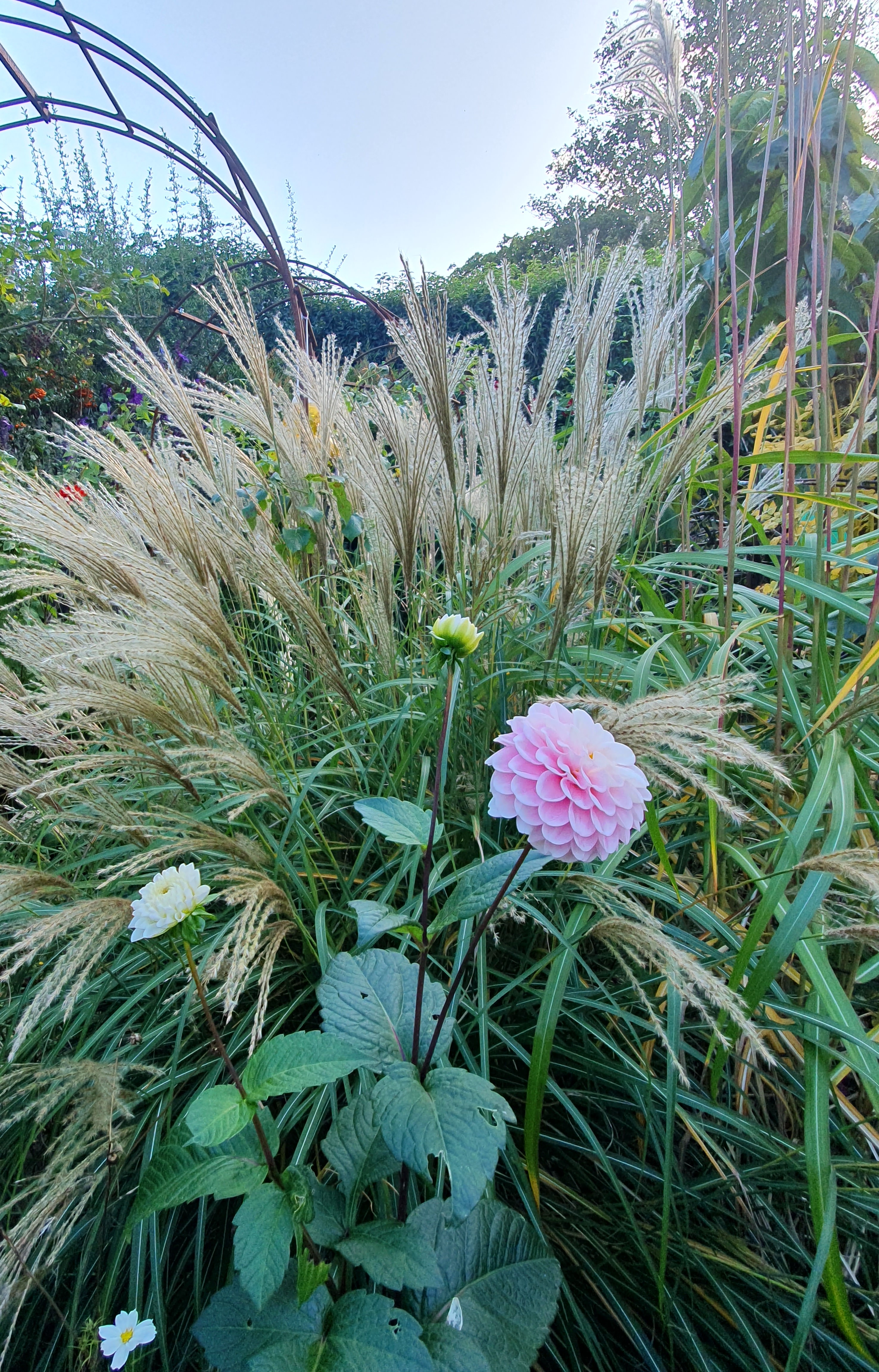
The garden right now is full of autumn colour. The dahlias have struggled a bit with the heatwaves and a lack of water but have started to catch up now. I’d say they are still a bit shorter than they have been. They are complimented by clumps of hardy pink chrysanthemums, the feathery foliage of cosmos in white, pinks and reds, while little jewel-like flowers of salvias shine around the stems of roses.

If this sounds beautiful and perfectly planned well… about 70% of it is and was, but if you make a wrong turn you’ll be smacked in the face by utterly out of control giant scabious,  (not a scabious that is giant, but the buttery white Cephalaria gigantea that reaches about two metres) or clumps of Miscanthus Malepartus that really should not be quite so close to the path. The editing doesn’t just happen in this article!

If you’re not planning to move some plants around or stand about admiring your work, then what about learning something more about gardening. We’d love to welcome you to another season of events organised by the Dedham Horticultural Society.

We kicked off this month with our Autumn Flower Show (also fruit and veg, cooking and photography of course), kindly sponsored by Kingsleigh Estate Agents. It’s always great to see what people exhibit and catch up with members, friends and neighbours who come along on the day.

Then we get into our annual speaker evenings which are free for Society members and just £2 for everyone else. As well as a chance to catch up with other people from Dedham and surroundings, refreshments are included, and we have a small raffle.

We’ve got a great line-up that starts with Joanne Hull of Benton End Flower Farm in Hadleigh. Alongside partner Carla, Joanne runs a chemical-free, wildlife-friendly cut-flower business just a few steps from Sir Cedric Morris’s historic Benton End House. Come along to hear how she and Carla blend that historical legacy with modern floral artistry, whether it’s creating floral installations like their 8-ft “Flower Stallion” or making plans for a lavender distillery and exclusive glamping later in 2025.

In November, Peter Miller from Kings Seeds presents a fascinating glimpse into Essex’s centuries-long foundation in seed-growing and Kings’ pivotal role since 1888. Then we take a break until our traditional virtual meeting on Zoom in February. We’ll be joined by Geoff Hodge who has been Web Editor for RHS Online and Gardening Editor of Garden Answers and Garden News magazines. We’ll be picking his brains about combatting pests and diseases.

In March, we’ll hear from a former member of Beth Chatto’s team, Marc McHearne who was responsible for raising plants on the nursery’s stock beds. He has a huge amount of knowledge and will no doubt share some great growing tips as spring starts. Andrew Babicz follows Marc and share knowledge and experience gained from over 55 years working in the horticulture, including at iconic gardens such as RHS Wisley, Kew and Hampton Court Palace.

Colchester-based photographer Roger Hance will share his techniques for photographing wildlife in the garden – so come along and take the opportunity to show off what you learn in the 2026 autumn show 😊. Using both natural and purpose-built hides, Roger will show us practical ways to attract wildlife and capture it on camera.

For our final talk, we welcome back Maggie Piper, who has researched and regularly visits several of the country’s great gardens. She’ll tell us about Bridgewater, the RHS’s first new garden in over 20 years and how it came about.

Our speaker programme is a great way to learn more about gardening, whether you have beds and border or a few pots and containers. Find out more about all our events on our website.

Midsummer’s here

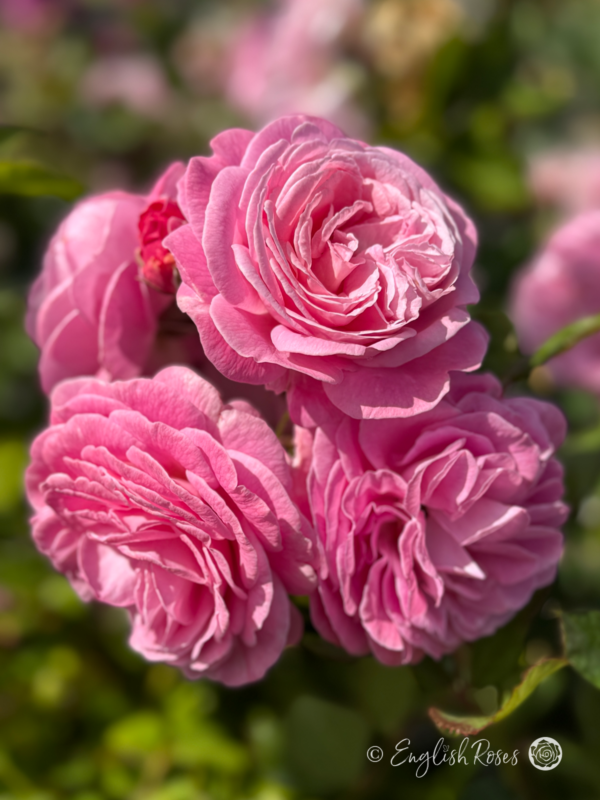
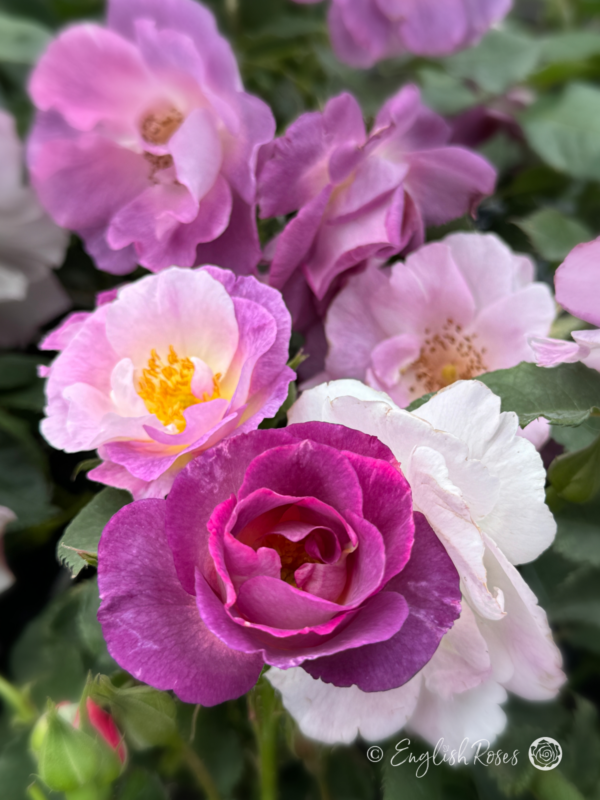
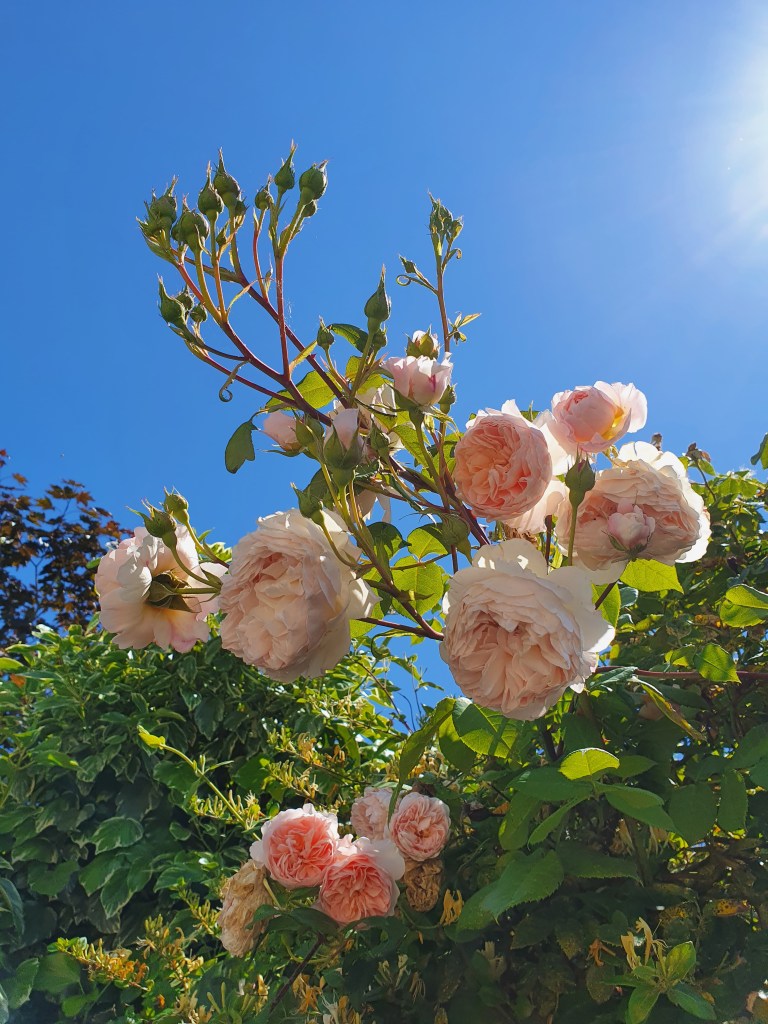
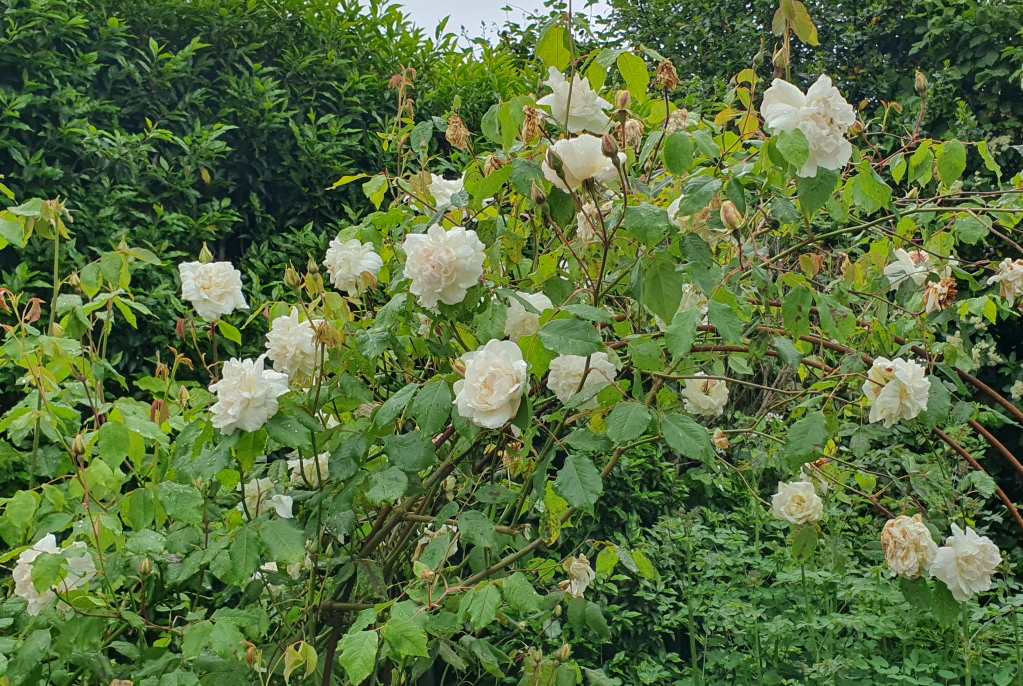
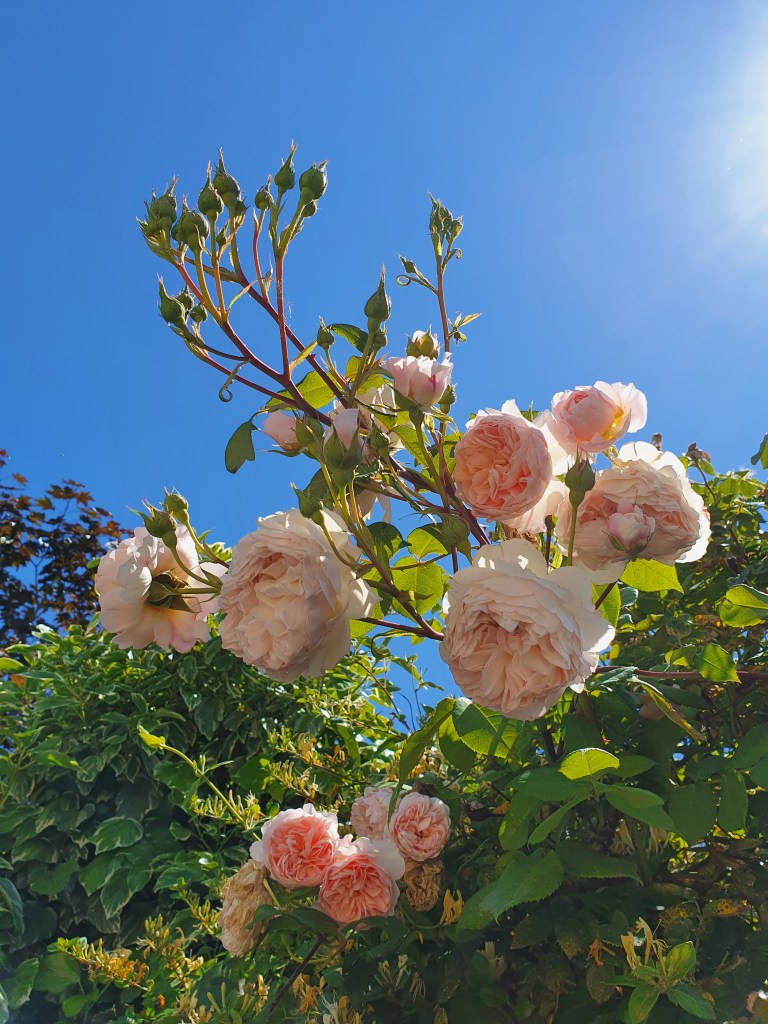
June is the month of roses, and my garden is filled with a huge range from clusters of small white double flowers to obelisks clothed in single pink climbers.

There are roses on the front of the house and over an arch as you walk to the front door. Every border and bed has at least one rose, ranging from white to pink to red, from cream to yellow. With so many, I will be busy deadheading them throughout the summer to keep them blooming.

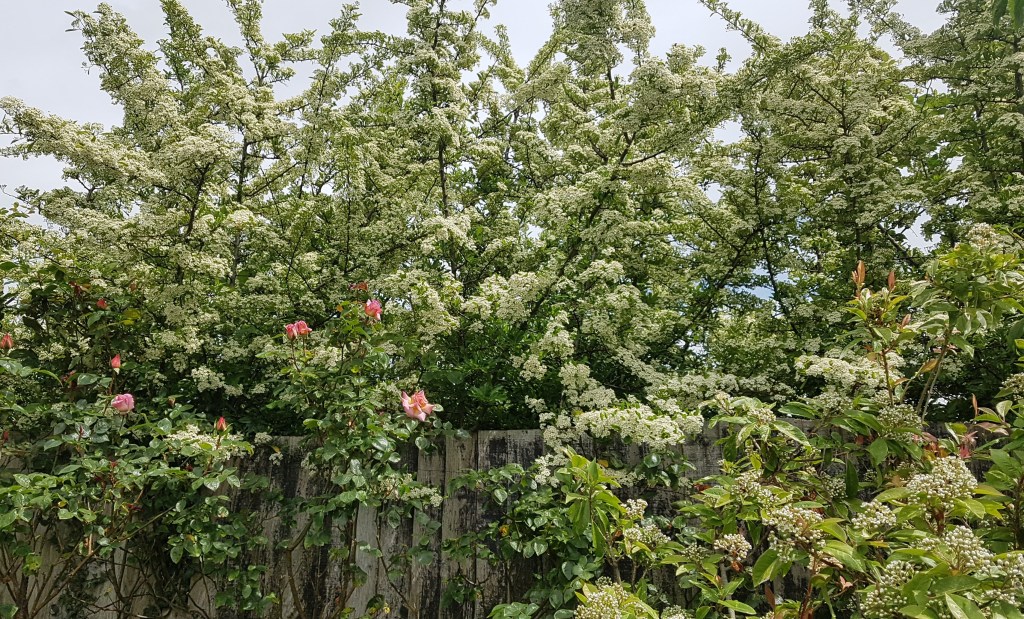
The roses are complemented by early large-flowered clematis in pink and deep purple, as well as alliums, foxgloves, delphiniums and the white forms of valerian and rosebay willowherb. My bees are going mad on the pyracantha hedge that floats above one of my fences.

As we approach the longest day of the year, there’s plenty to do and even time to relax and enjoy the fruits of our labours.

The best way to deadhead your roses is to use your secateurs and cut right back down the stem to the next leaf or bud. This will prompt a side shoot to grow and eventually another flower.

You can deadhead other plants of course, both annuals and perennials. The production of flowers is part of how flowers reproduce. When the flowers die, they leave behind seeds (essentially the plant’s eggs) from which more flowers are born. Once seeds are produced, the plant thinks its job is done and has no further need to produce flowers. Deadheading therefore keeps the plant in a state of perpetually giving birth (flowering). I think I might be a bit mad about that if I were a plant and is probably why I come in from the garden covered in thorn scratches.

Although some plants will only ever flower once, deadheading will also work on asters, campanulas, delphiniums, daylilies and scabious. It is especially important for sweet peas, which is why you should pick as many as you can whenever you can so that seed pods aren’t produced.

I love aubrieta for its vibrant purple flowers, which look great against late flowering daffodils. It offers early nectar and pollen for my bees, but by now it can be looking a bit tatty so needs cutting back. Lightly trim your aubrieta if it still forms a quite neat mound, but if it’s straggly with an almost bald centre then it needs to be cut back harder to within a couple of inches of the base of the plant. Make sure to keep it well watered after cutting back and it will put on fresh foliage within a few weeks.

Cut back perennial Oriental poppies too after flowering, taking them back to ground level. Water – you can feed them with poultry pellets or tomato food if you like – and you’ll get new foliage and perhaps even some new blooms. Hardy geraniums (not the tender pelargoniums) can also be chopped back now too.

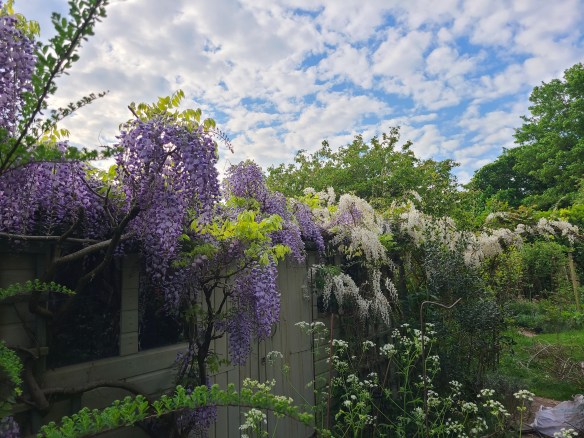
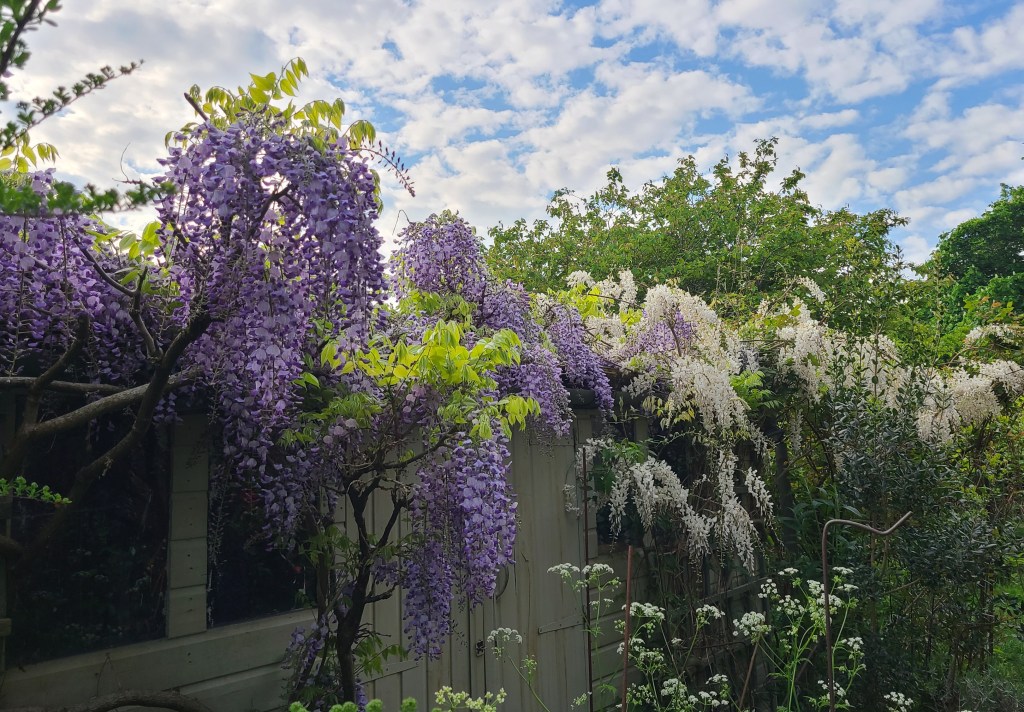
My wisteria plants have been magnificent this year, and their powerful scent seems to reach all round the garden. Once they’ve finished showing off though, it’s time for their first prune of the year this month.

Wisteria produces its beautiful racemes of purple, white or pink flowers on new growth, so to encourage lots of flowers next year, I’ll need to cut back the whippy new shoots that have grown this season. Prune back to the sixth bud from the base of the shoot. If you’re not sure, cut lightly as you’ll do a second prune in winter when it’s easier to see what you’re doing.

I put some garden pinks (Dianthus) around the beds last year and they are beginning to bulk up so I can take some softwood cuttings. Just pull a non-flowering shoot with four pairs of leaves off the plant using your thumb and forefinger. Use a sharp knife to cut below the lowest pair of leaves to make a cutting 5-10cm long. Remove the lower leaves and dip the base of the cutting in hormone rooting powder or gel. Make a hole in a pot of compost, insert the cutting so the lowest pair of leaves is just above the top of the soil, then water. Pop it in a propagator or under a plastic bag and place somewhere warm, and it should root within 2-4 weeks. Although it can be a busy time in the garden right now, don’t forget to take time to soak up the summer sun this month.

Feed, divide, sow

Spring is here and there’s green everywhere! Spring bulbs are in full flower now and my bees will be taking advantage of every warmer, sunny day to gather pollen and nectar as their colony starts growing. But don’t get too confident, as it’s very possible that a cold snap could set everything back again, so have some horticultural fleece at the ready for anything tender.

If your snowdrop clumps are getting too big for their space, it’s a good time to divide them once they’ve finished flowering. Dig up part of the clump – roots, soil and all – and drop it into another spot. Snowdrops transplanted like this, ‘in the green’, perform better than if they are planted as bulbs in autumn.

You can also divide herbaceous peonies now, just as they’re coming out of dormancy. According to the National Gardens Scheme, doing this every two or three years improves flowering. I’ll try this with one of my larger peonies; digging it up and using a knife to split it so each division has three or four flowering buds at the base. I’ll space them further apart and replant them with those buds just below the surface.

Some of my hostas also need dividing as they are outgrowing their pots. I’ve had to saw these apart in the past as the roots can be compacted and tough, but they quickly recover for a great display over the summer. You can do this with agapanthus, delphinium, primula and plenty of other plants now too.

If you buy dahlias as tubers, you can plant them in your beds about six weeks before the last frosts are expected. After six weeks, the new growth will be coming through, so if you time it right you can get an early start with your plants and protect the new growth from frost damage.

If you lifted your tubers in autumn, you can also start propagating them for more plants. Get them out of storage and pot them up using multi-purpose compost. Choose pots that will just fit the tuber – you don’t want too much wet soil surrounding them as they can rot – and fill them so that the old stalk or the top of the tuber is just above the surface. Water them and then leave them in a warm, light position or in a propagator. Check on them occasionally as they start to put on growth, and they’ll be ready to be planted out after the danger of frost has passed.

Once the fresh shoots have grown to about 8-10cm, you can take basal cuttings. Select a healthy shoot and, using a sharp knife, cut just above the point where the shoot emerges from the tuber and just below the lowest pair of leaves.

Cut off the leaves from the lower half of the stem – they will just rot once inserted into the soil. Pinch out the growing tip and dip the base of the cutting into hormone rooting power. Then push them into a pot containing cuttings compost and put them into a propagator or under a plastic bag supported by sticks. They should root after a few weeks.

If you grow dogwood (such as Cornus alba ‘Sibirica’) or willow (try yellow Salix alba var. vitellina ‘Britzensis’) for colourful stems in winter, it’s time to cut them back at the end of this month to just above ground level. This will stimulate fresh growth over the season, which will give you the most colour by the time winter rolls round again.

Having cut back and pruned my roses last month, March is the time to feed them with a slow-release, granular fertiliser forked into the soil around them. I’ll also give my rhubarb plants a high-nitrogen feed like sulphate of ammonia or chicken-manure pellets, so I can harvest the first stalks next month.

Finally, I’ll get my plant supports into the beds and borders: getting stakes, tripods, grow-throughs, wigwams, hoops and fluted peony supports into the ground now, as well as trusty twine, will ensure they get hidden by the plants as they grow.

Happy New (Gardening) Year

I hope you enjoyed the festivities and that any events (say games night) brought you together for plenty of fun and just the right amount of competitive spirit. Winters being what they are these days, the garden is already alive with pops of colour with plenty of plants flowering their little hearts out right now.

Bulbs like snowdrops, crocus and iris reticulata are competing with the hellebores, primroses and primulas, while over them shrubs from mahonia and forsythia to pussy willow and hazel are offering up pollen and nectar to early-emerging pollinators.

If you’re looking for something to do (I know you are), February is a great time to prune roses and give them the best start to the year ahead. Make sure you use your sharpest secateurs to make the job easier and for cleaner cuts that cause less damage to the plant. Have some loppers and maybe a sharp pruning saw to hand for thicker stems (if you have to strain to cut with secateurs, switch to a bigger tool). Don’t make random cuts; always go back to something – just above a bud, leaf or the joint with another stem.

Roses are pretty tough, so don’t worry too much about how you prune them. You might get a bit of die back or lose some flowers if you cut at the wrong time, but pruning is unlikely to kill your plants.

Bush roses hybrid teas (large-flowered) and floribunda (cluster-flowered) flower on the current season’s growth, so prune them hard now. Remove all weak, wispy, damaged or crossing stems first. Then take back anything that remains to form an open bowl or cone shape. I know some who traditionally cut hybrid teas back to 60cms each year and RHS Wisley aims to cut out all three-year-old wood in favour of younger more vigorous growth.

Shrub roses have a wide range of varieties and need very little pruning. It’s fine to do these now too and you can even whip over them with a hedge-trimmer or shears, though I quite like the zen-like use of secateurs. You can also cut them back in late summer once they have finished flowering.

Then there are the true climbers, flowering from early summer to autumn with single large blooms. Aim to remove about a third of the plant – the oldest, woodiest stems – to maintain a framework or long shoots trained horizontally so side shoots (which carry the flowers) break from them come spring. You can do this any time after they’ve flowered but certainly no later than this month. If you do it when the sideshoots have started growing, you’ll cut off flower buds.

Ramblers are also climbers (I know, confusing) but carry clusters of smaller flowers once, around mid-summer. These don’t need a lot of pruning but should be trained and trimmed immediately after flowering as the flowers grow mostly on stems that sprout in late summer.

From roses to grasses – ornamental that is, not the lawn – which are starting to look ragged now. Don’t worry about evergreen varieties, like Stipa gigantea, which just need the flower spikes cutting off at the base at the end of this month or in March, and maybe a comb through with your hands (wear thick gloves) to rake out dead leaves.

Instead, focus on deciduous grasses – I have Miscanthus sinensis ‘Flamingo’and ‘Malepartus’, and Calamagrostis × acutiflora ‘Karl Foerster’– which should be cut back hard, close to the ground. Right now, the new green shoots shouldn’t be too long but be careful not to cut off any that are emerging. If you want to move your ornamental grasses, wait until late May or early June, when they are growing strongly and will have the best chance of surviving.

I hope 2025 has started well for you all and you are looking forward to the year ahead.