Happy (almost) Christmas everyone, I bet you think it’s time to get the heating (or a fire) on and cosy up indoors, rather than spend time in the garden or on the allotment. Well, I’m afraid there are still jobs to do and now is the time to get ahead before spring. It’s amazing how you think you have plenty of time, but suddenly everything’s sprouting, and the weeds are taking over.
My gardening is maturing now, and perennials are spreading out; plants that fit nicely in a square metre a few years ago, are now looking overcrowded. The winter months, when many plants are dormant, is a good time to assess the garden’s structure and layout. A border might need expanding (I don’t think I can get rid of any more lawn though), perennials and shrubs might benefit from moving to give them more space, or I’ll adjust for better combinations of colour and form.
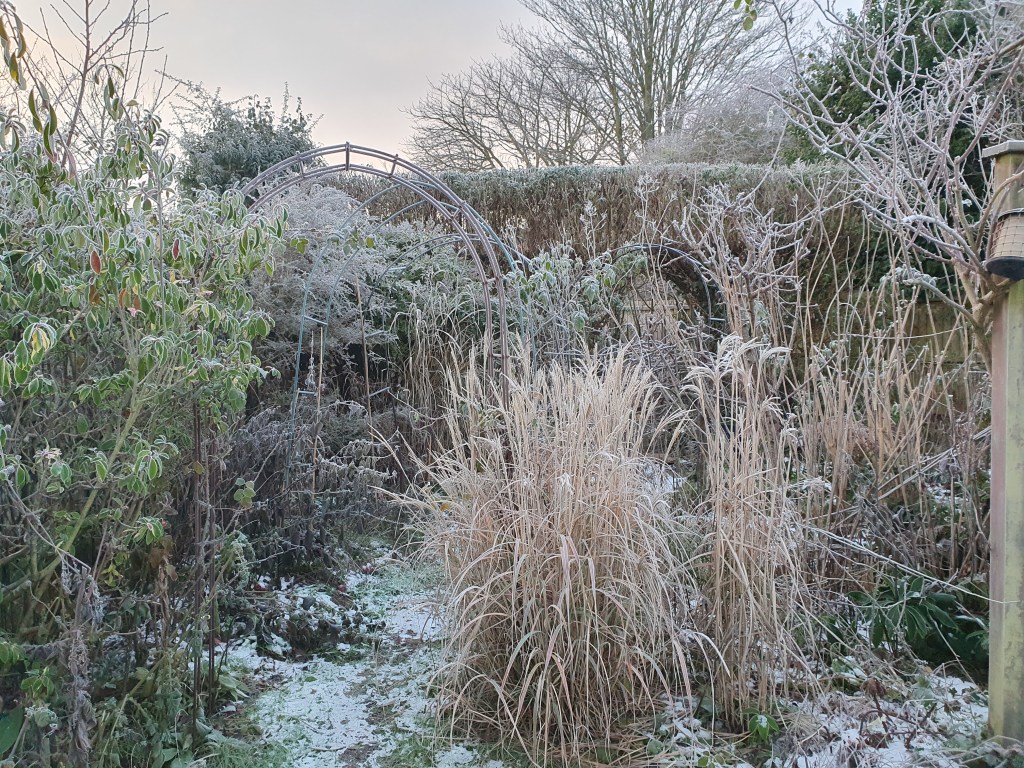
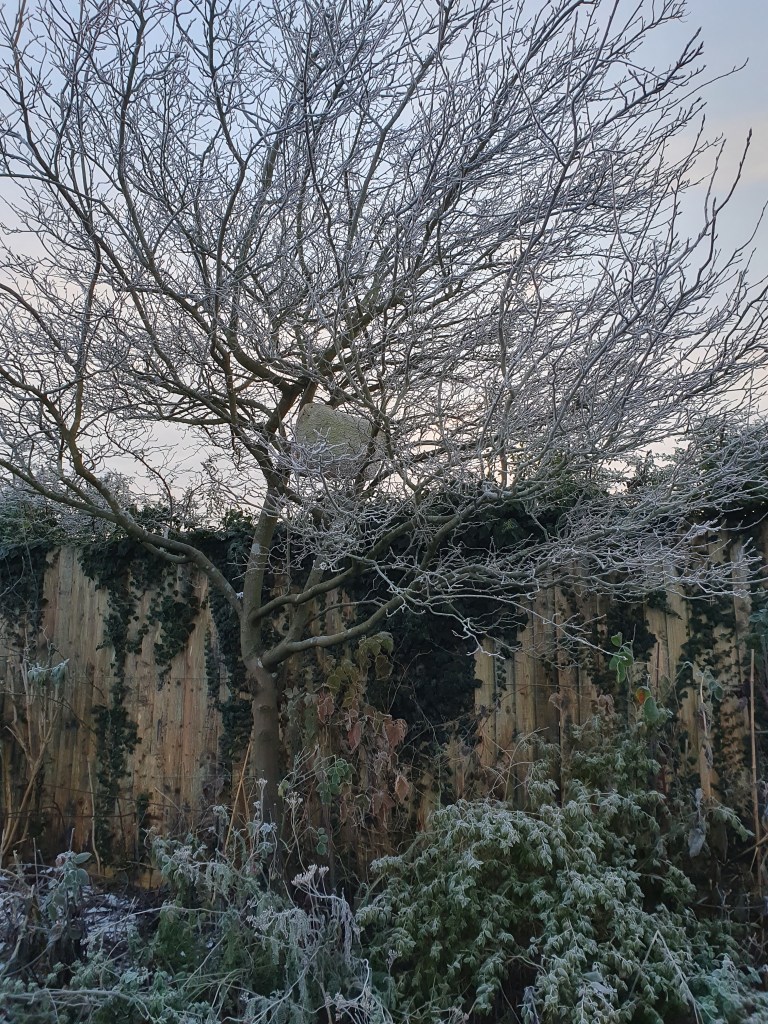
With the branches bare of leaves throughout the dormant season, it’s possible to prune and renovate deciduous trees, hedges and shrubs. This includes roses of course, though I usually wait until February to do those, but you can also cut back hawthorn, holly, lilac and shrubby honeysuckle. Cuts made now on Japanese maple trees (Acer palmatum) and silver birch (Betula) will bleed less sap.
While trimming hedges to shape them is better left to late summer or early autumn, dormancy is a good time for more drastic, hard pruning to reduce overall size. You’re aiming to take older, less productive stems back to ground level. Evergreens are better left until spring, while Prunus species (ornamental cherries) and other stone fruit should be pruned in summer to avoid silver leaf disease.
If you’re growing fruit in the garden or – like me – on the allotment, there’s plenty you can do to maximise your crop next year.
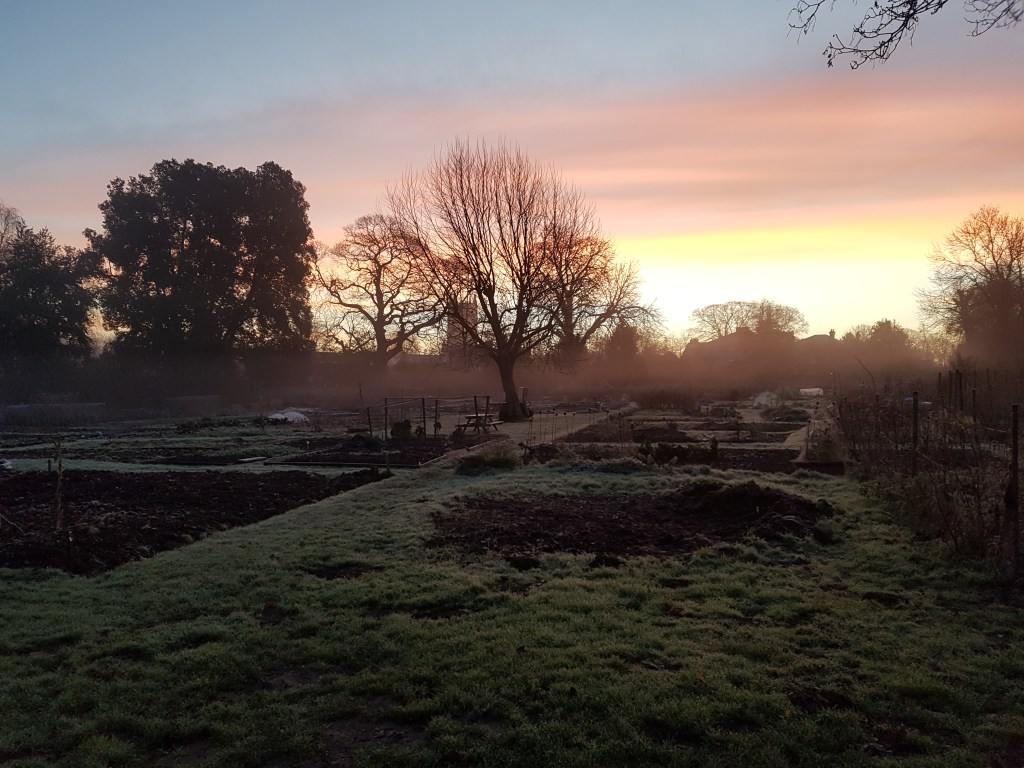
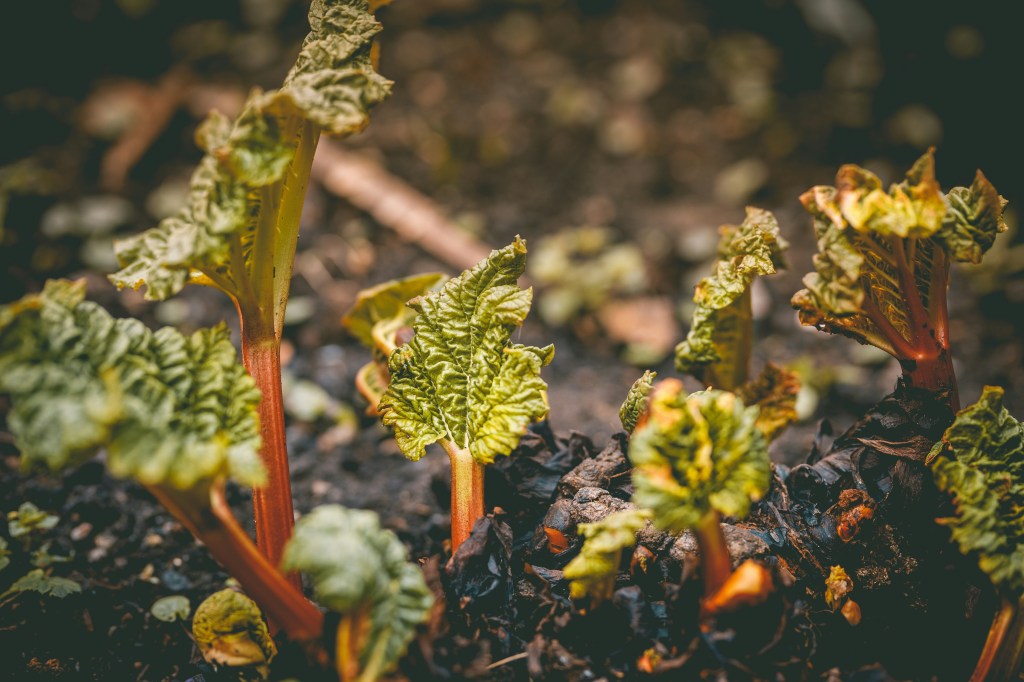
Large clumps of rhubarb can be lifted and divided now. Sometimes the centre gets unproductive as the plant spreads outwards, so lifting lets you split it, cut out the middle and replant, enriching the soil first with well-rotted manure. You can start forcing a clump this month by putting it under a bucket, bin or a proper forcer – anything that cuts out light and gives it a little insulation and warmth. You should be able to harvest the lovely, sweet and tender pink stems about seven or eight weeks later. It’s better not to use one of your recently divided plants as they’ll be feeling a bit stressed. Only force the clump every other year, but if you’ve just split your plants, next year you’ll have another ready to go. Handy!
Although they can last longer, it’s been a decade since I first planted my raspberry canes on the allotment and, given a couple of challenging growing years, I think they are beginning to lose productivity. So, I’ve treated myself to some more canes. I’ll dig out the old canes (which are pretty shallow rooted so won’t take long) before digging in some well-rotted manure and planting the canes about 45cm apart, firming them in well. Then I’ll mulch with some good garden compost.
If you like a gooseberry (and – if you remember the A-Team – who doesn’t like a gooseberry, fool), keep them productive by pruning now. Cut back stems crowding the centre and establish a good framework, then prune back sideshoots to three buds. Blackcurrants will benefit from removing about a quarter of the oldest stems as younger shoots will bear most of next year’s fruit.
Get just a few of these jobs done and – though it won’t seem like it at first – consider the improvements to your plants a gift to yourself.
Merry Christmas everyone and Happy New Year.


 Dedham Horticultural Society